Chanterelle yellow forest
1344×768 · AVIF · CC BY 4.0
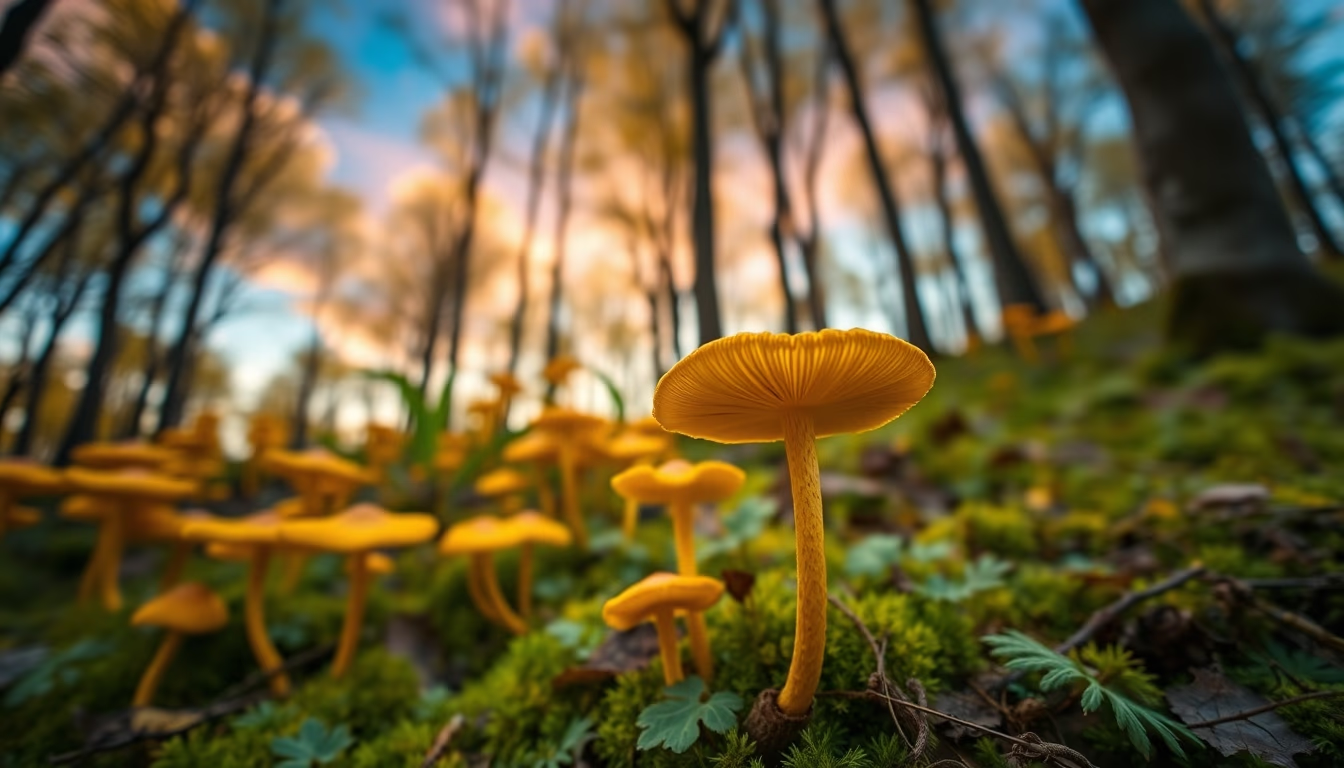
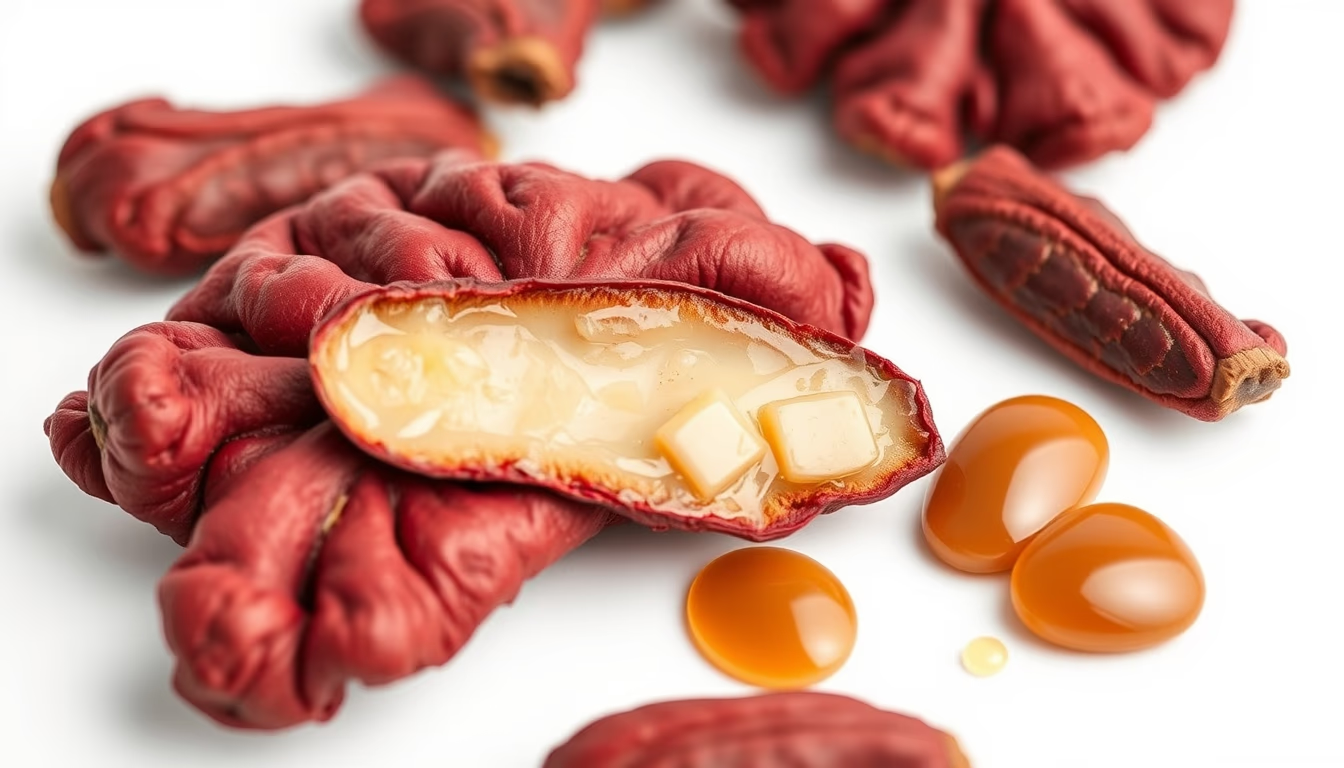
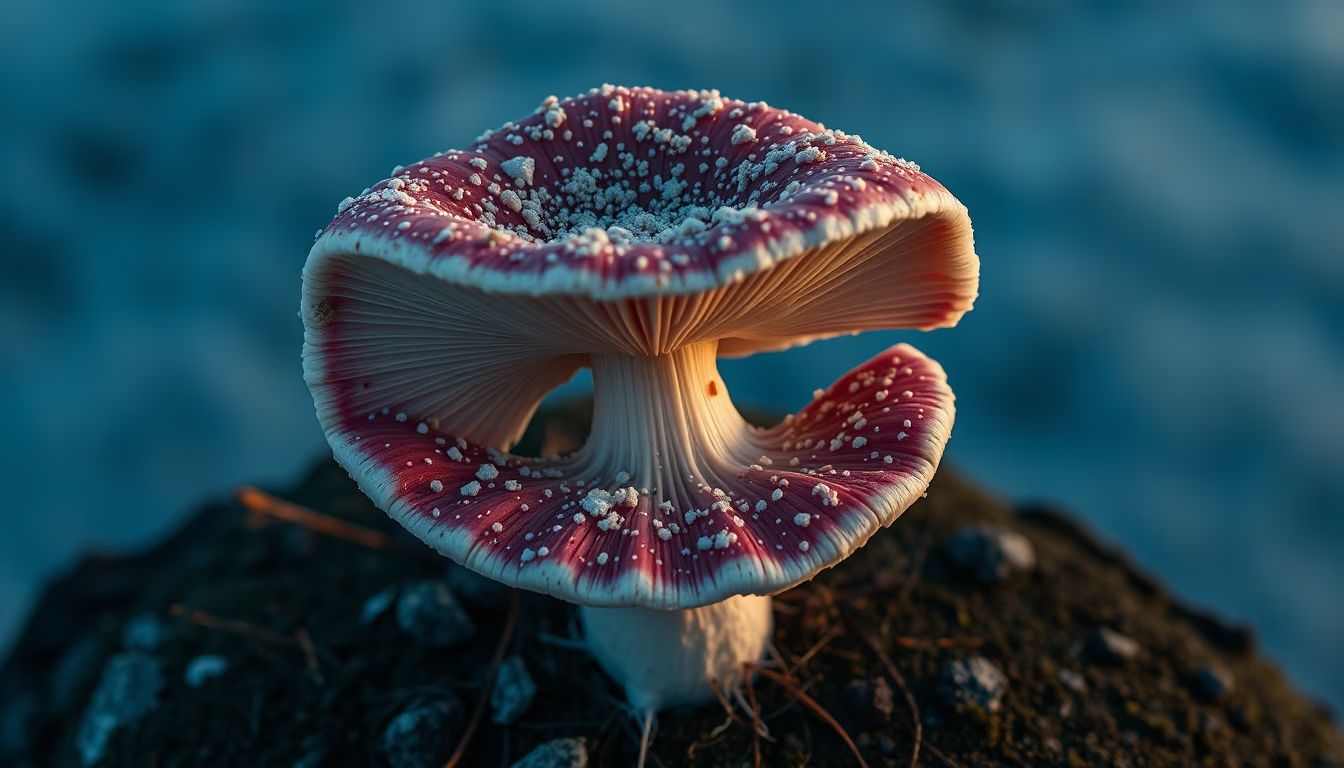
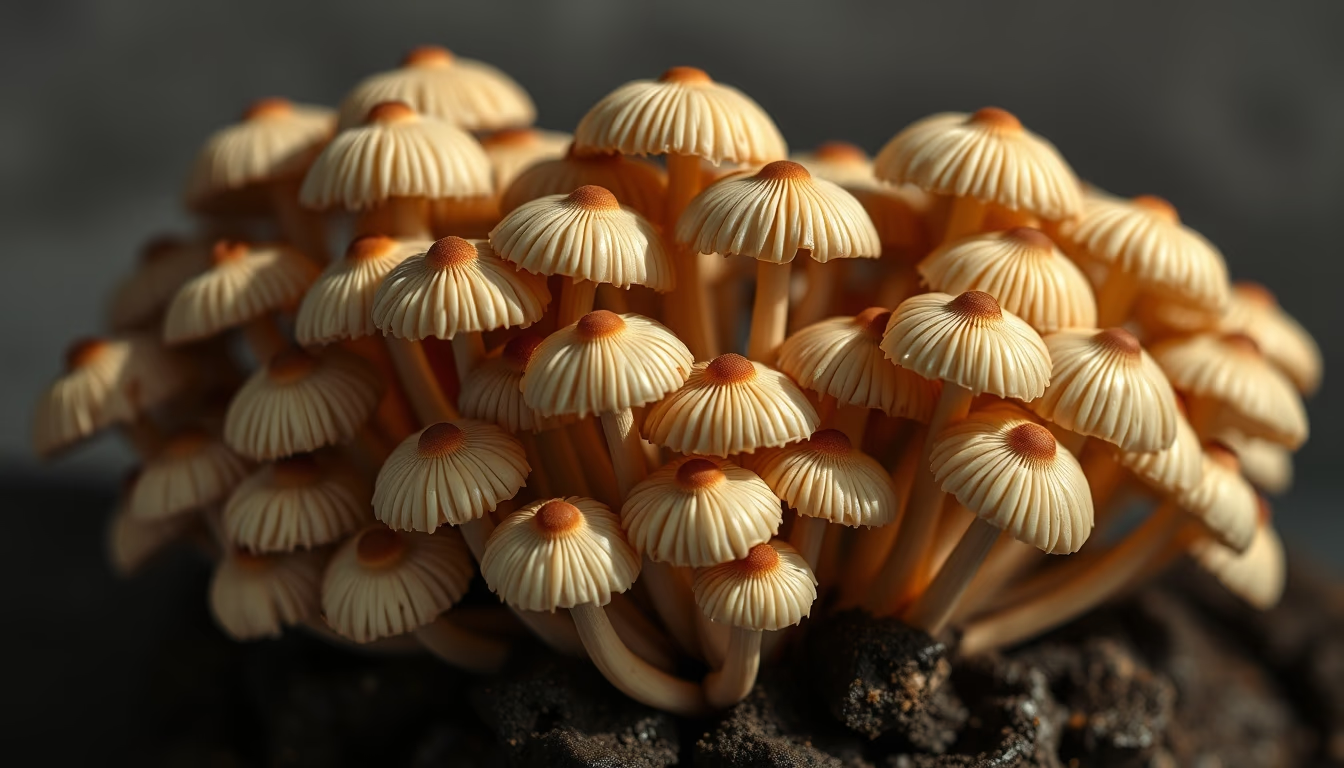
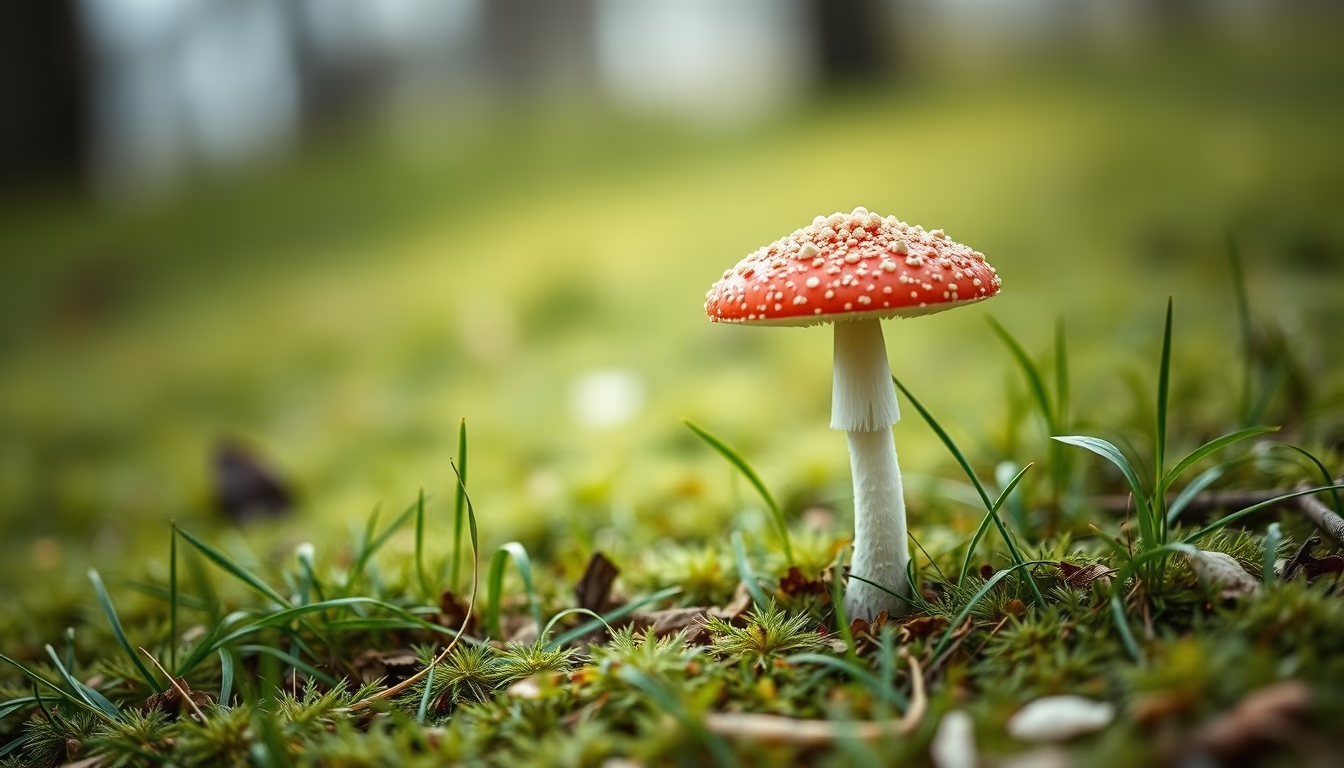
Chanterelle mushrooms, known for their golden-yellow color and fruity flavor, are among the most prized edible fungi in global cuisine.
About this subject
Chanterelle mushrooms (Cantharellus cibarius) are mycorrhizal fungi that form symbiotic relationships with tree roots, especially oaks, beeches, and pines. Found in temperate forests of the Northern Hemisphere, from Europe to North America and Asia, they appear between summer and fall after moderate rainfall. Their vibrant yellow color and trumpet-like shape make them easy to identify, though toxic look-alikes exist, such as the false chanterelle (Omphalotus olearius).
In gastronomy, chanterelles are prized for their mildly peppery taste and apricot-like aroma. They are versatile in recipes: sautéed in butter with herbs, in risottos, creamy sauces, or as a side dish for meats. In France, they are known as girolles and feature in classic rustic cuisine. In North America, commercial harvesting generates millions of dollars annually, especially in the Pacific Northwest and Canada.
Despite their culinary prestige, chanterelles are difficult to farm commercially due to their dependence on living trees. Thus, most crops come from wild foraging, which requires knowledge to avoid poisonous species. Beyond food, studies indicate anti-inflammatory and antioxidant properties in the polysaccharides found in these mushrooms.
Culturally, chanterelles appear in European folklore as symbols of good luck or associated with fairies. In parts of Scandinavia, finding them was believed to indicate hidden treasures. Today, they are celebrated in seasonal festivals, such as the Chanterelle Festival in Oregon, USA.
Frequently Asked Questions
Where can I find chanterelle mushrooms in Brazil?
In Brazil, chanterelles are less common due to tropical climate, but can be found in high-altitude regions with Araucaria or pine forests, such as in the South. Native species like Cantharellus brasiliensis occur in association with pines.
What is the difference between true and false chanterelle?
True chanterelle (Cantharellus cibarius) has false gills that run down the stem, egg-yellow color, and fruity aroma. False chanterelle (Omphalotus olearius) is more orange, has true gills, glows in the dark (bioluminescence), and is toxic.
Do chanterelles need to be cooked before eating?
Yes, chanterelles should be cooked to eliminate potential pathogens and improve digestibility. They can be quickly sautéed but should not be eaten raw.
Direct URL
https://pub-c7d6a6ea828543ac903a74a341ccb2e1.r2.dev/imagens/chanterelle-yellow-forest-long-exposure-p8.avifHow to credit
Include a visible link back to UtilizAí. Copy one of the snippets below:
<a href="https://xn--utiliza-eza.com/en/midia/imagens/chanterelle-yellow-forest-long-exposure-p8">Chanterelle yellow forest</a> by <a href="https://xn--utiliza-eza.com">UtilizAí</a>, licensed under <a href="https://creativecommons.org/licenses/by/4.0/">CC BY 4.0</a>.
[Chanterelle yellow forest](https://xn--utiliza-eza.com/en/midia/imagens/chanterelle-yellow-forest-long-exposure-p8) by [UtilizAí](https://xn--utiliza-eza.com), CC BY 4.0
License: CC-BY-4.0