Chanterelle yellow forest
1344×768 · AVIF · CC BY 4.0

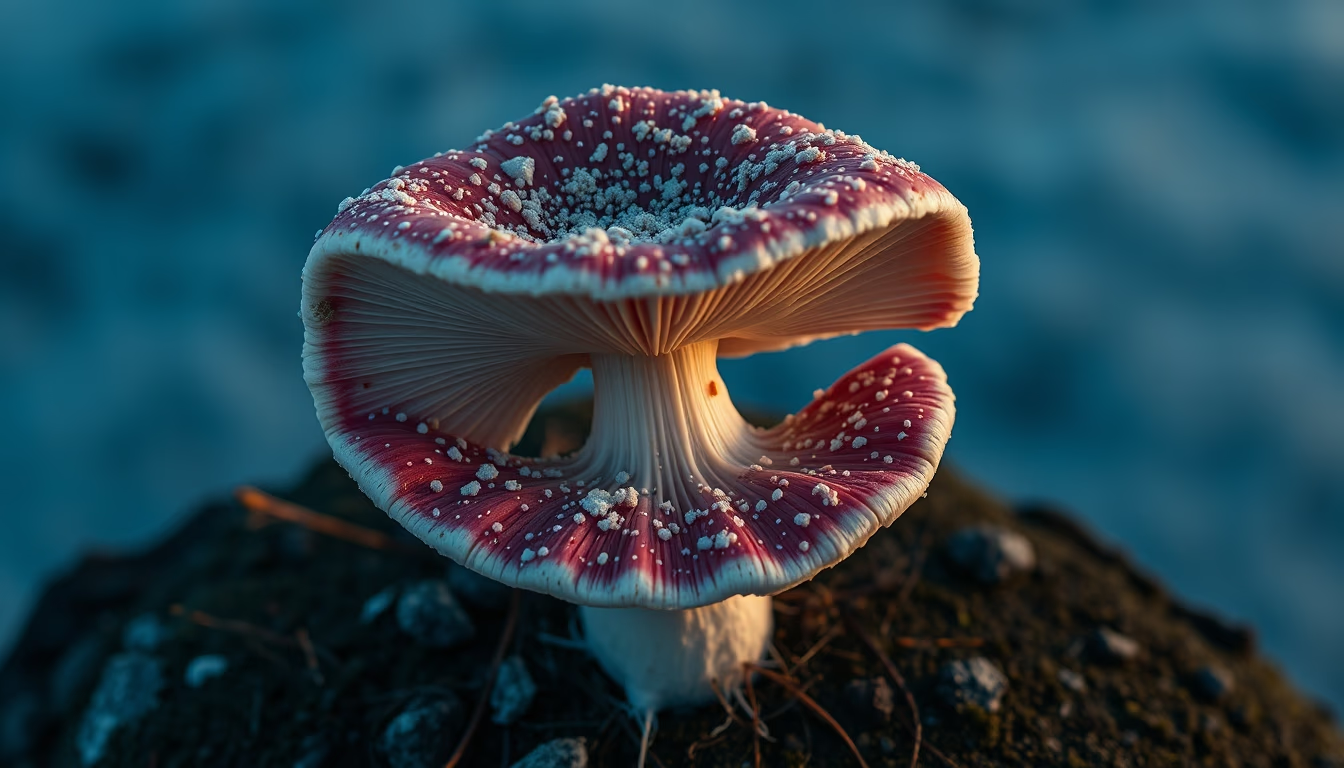
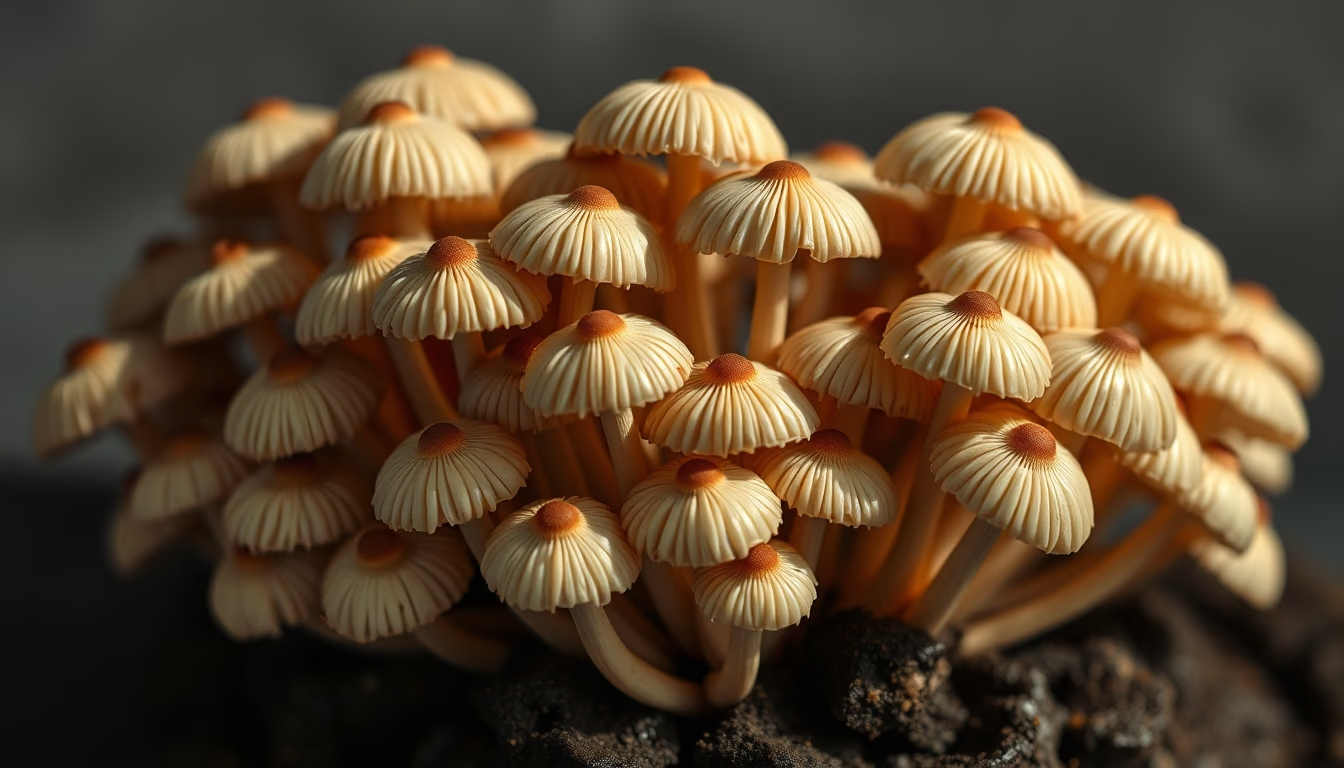
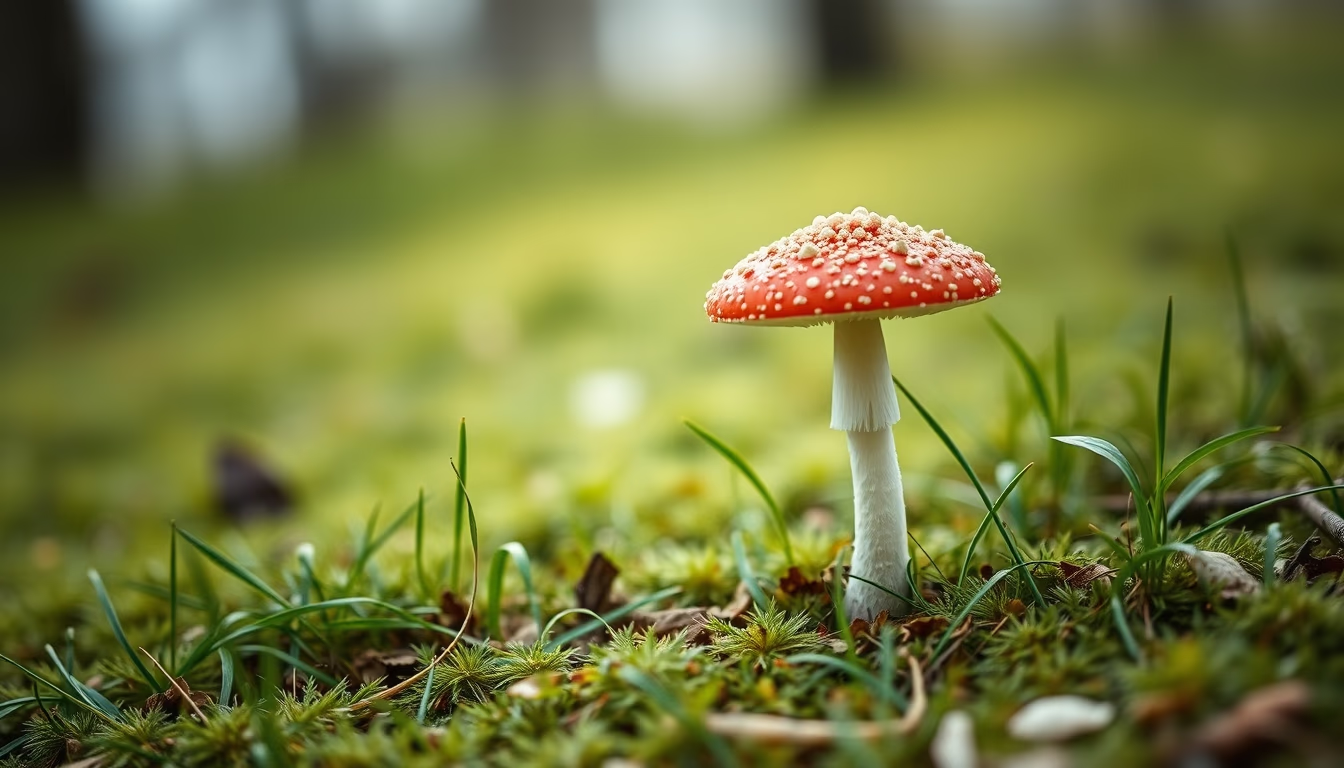
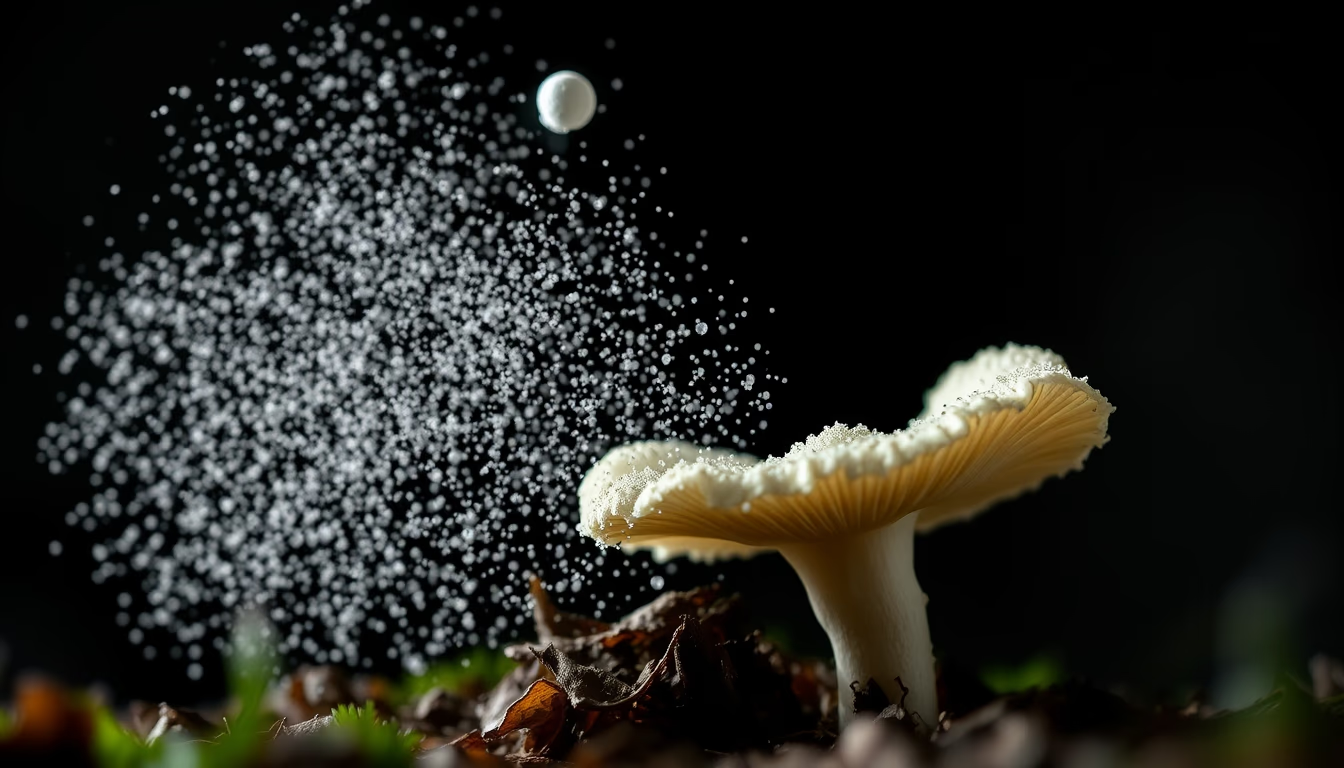
The chanterelle (Cantharellus cibarius) is a wild mushroom widely prized for its fruity aroma and delicate flavor, found in temperate forests of the Northern Hemisphere.
About this subject
The chanterelle, also known as golden chanterelle or girolle, belongs to the genus Cantharellus. Its coloration ranges from egg-yellow to vivid orange, and its shape is trumpet-like or funnel-shaped with wavy margins. Unlike many mushrooms, it lacks true gills, instead having ridges or false gills that run down the stem. These features help distinguish it from toxic look-alikes such as the false chanterelle (Hygrophoropsis aurantiaca), which has true gills and a more orange hue. Chanterelles form mycorrhizal associations with trees like oaks, birches, pines, and beeches, appearing between June and autumn.
In cooking, the chanterelle is a gourmet mushroom with a sweet, slightly peppery flavor and apricot-like notes. It is commonly used in risottos, sauces, omelets, and sautés. Because it is porous and absorbs water easily, it is best cleaned with a dry cloth rather than washed. Sustainable harvesting is important: cutting the stem at the base and avoiding damage to the mycelium ensures regeneration. In countries like France and Germany, the chanterelle is celebrated in festivals and traditional recipes.
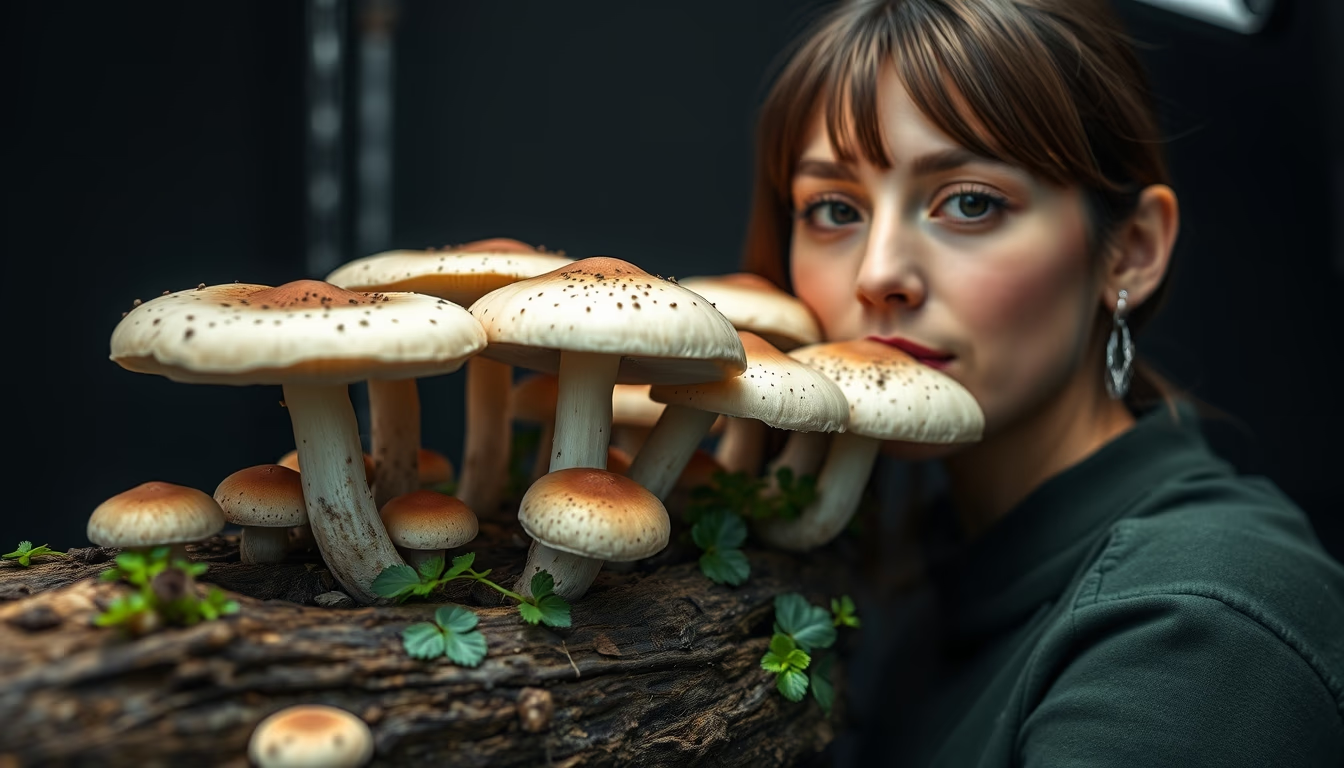
Interestingly, the chanterelle is not easily cultivated on a commercial scale, relying almost exclusively on wild harvesting. Its high market value and natural beauty make it a symbol of wild gastronomy and one of the most photographed mushrooms in the world, including in fashion editorials that explore rustic and natural aesthetics.
Ecologically, the chanterelle is an indicator of healthy soil and mature forests. It contributes to the nutrition of host trees, trading minerals for carbohydrates. Its distribution spans North America, Europe, and Asia, with similar species in tropical climates, such as Cantharellus cinnabarinus. Despite its popularity, there are no records of toxicity, but caution in identification is advised.
Frequently Asked Questions
How to correctly identify a true chanterelle?
Look for golden-yellow or orange mushrooms with a funnel shape, wavy margins, and ridges on the underside that run down the stem instead of true gills. The smell should be fruity, reminiscent of apricot. Ensure there are no true gills and the flesh is firm and whitish.
What is the best season and location to harvest chanterelles?
In the Northern Hemisphere, the season runs from June to October, peaking in August and September. They grow in forests of oaks, birches, pines, and beeches, typically on well-drained, mossy soil. After moderate rains, the chances of finding them increase.
Can chanterelles be cultivated at home?
Not commonly. Unlike mushrooms such as shiitake, chanterelles are mycorrhizal, depending on a symbiotic relationship with living tree roots. Although research exists, commercial cultivation is not yet viable for most species.
Direct URL
https://pub-c7d6a6ea828543ac903a74a341ccb2e1.r2.dev/imagens/chanterelle-yellow-forest-high-fashion-editorial-p3.avifHow to credit
Include a visible link back to UtilizAí. Copy one of the snippets below:
<a href="https://xn--utiliza-eza.com/en/midia/imagens/chanterelle-yellow-forest-high-fashion-editorial-p3">Chanterelle yellow forest</a> by <a href="https://xn--utiliza-eza.com">UtilizAí</a>, licensed under <a href="https://creativecommons.org/licenses/by/4.0/">CC BY 4.0</a>.
[Chanterelle yellow forest](https://xn--utiliza-eza.com/en/midia/imagens/chanterelle-yellow-forest-high-fashion-editorial-p3) by [UtilizAí](https://xn--utiliza-eza.com), CC BY 4.0
License: CC-BY-4.0