Chanterelle yellow forest
1344×768 · AVIF · CC BY 4.0
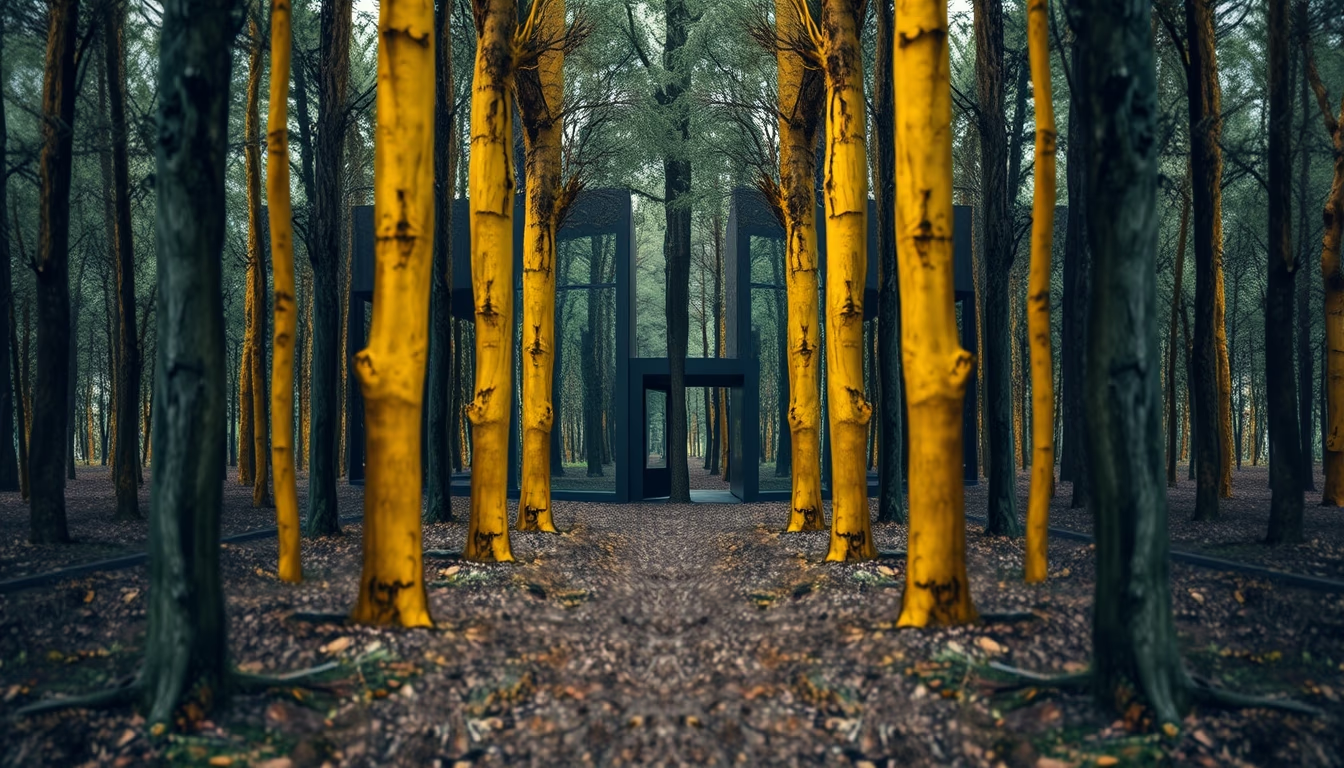
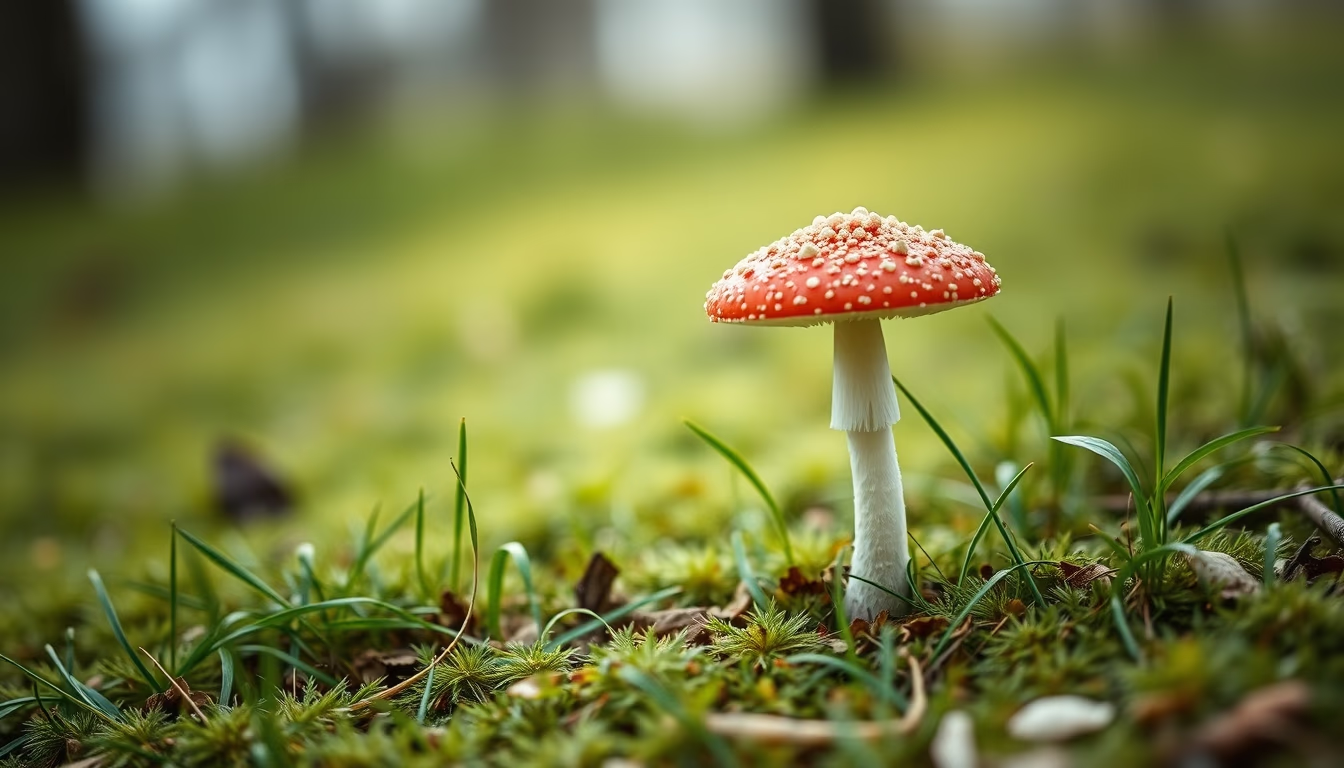
Chanterelle mushroom (Cantharellus cibarius) in temperate forest: identification, habitat and culinary use in world gastronomy.
About this subject
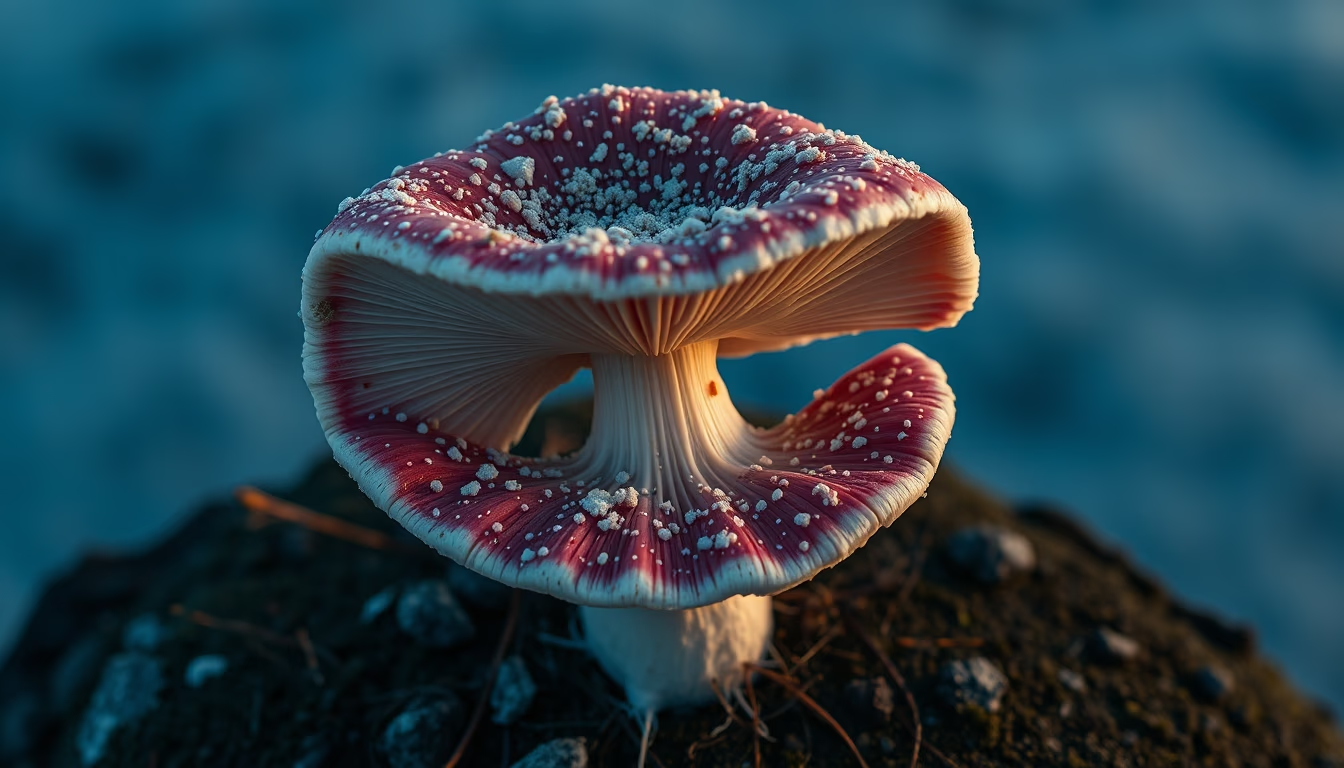
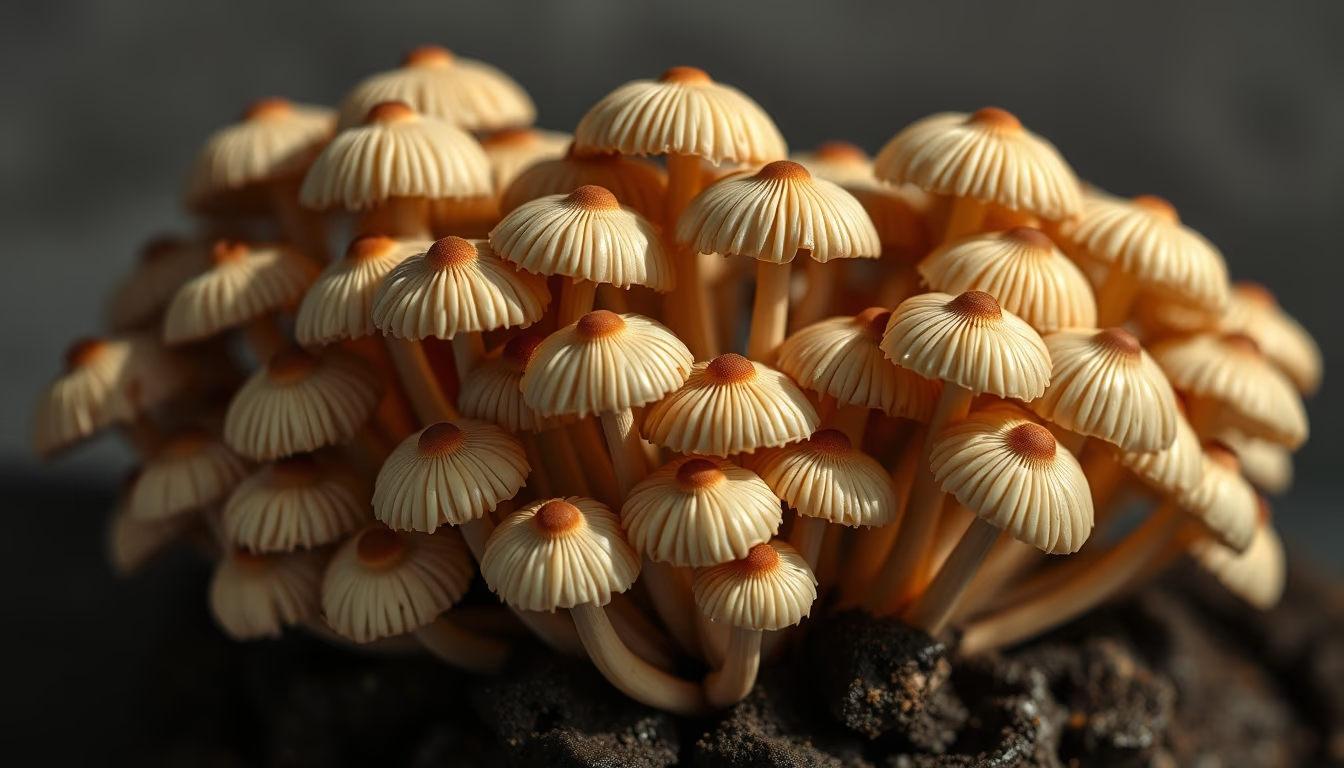
The chanterelle, also known as golden chanterelle or girolle (Cantharellus cibarius), is one of the most prized edible mushrooms worldwide. Its egg-yellow to vibrant orange coloration and trumpet or funnel shape make it easily recognizable in the wild. Unlike many mushrooms, chanterelles have false gills (ridges) that run down the stem, a key feature to distinguish them from toxic look-alikes such as the jack-o'-lantern mushroom (Omphalotus olearius).
Its distribution spans temperate forests of the Northern Hemisphere, particularly Europe, North America, and Asia. In Brazil, it is found in high-altitude regions of the South and Southeast, associating with trees like oak and pine. Fruiting occurs from summer to autumn, depending on climate, and harvesting requires skill to preserve the mycelium and ensure future yields.
In gastronomy, chanterelles are prized for their fruity, slightly peppery flavor with apricot notes. They are eaten fresh or dried, used in sautés, risottos, sauces, and omelets. Because they are wild mushrooms, large-scale commercial cultivation is not feasible, which increases their market value. Sustainable foraging is promoted by mycological societies to prevent overexploitation.
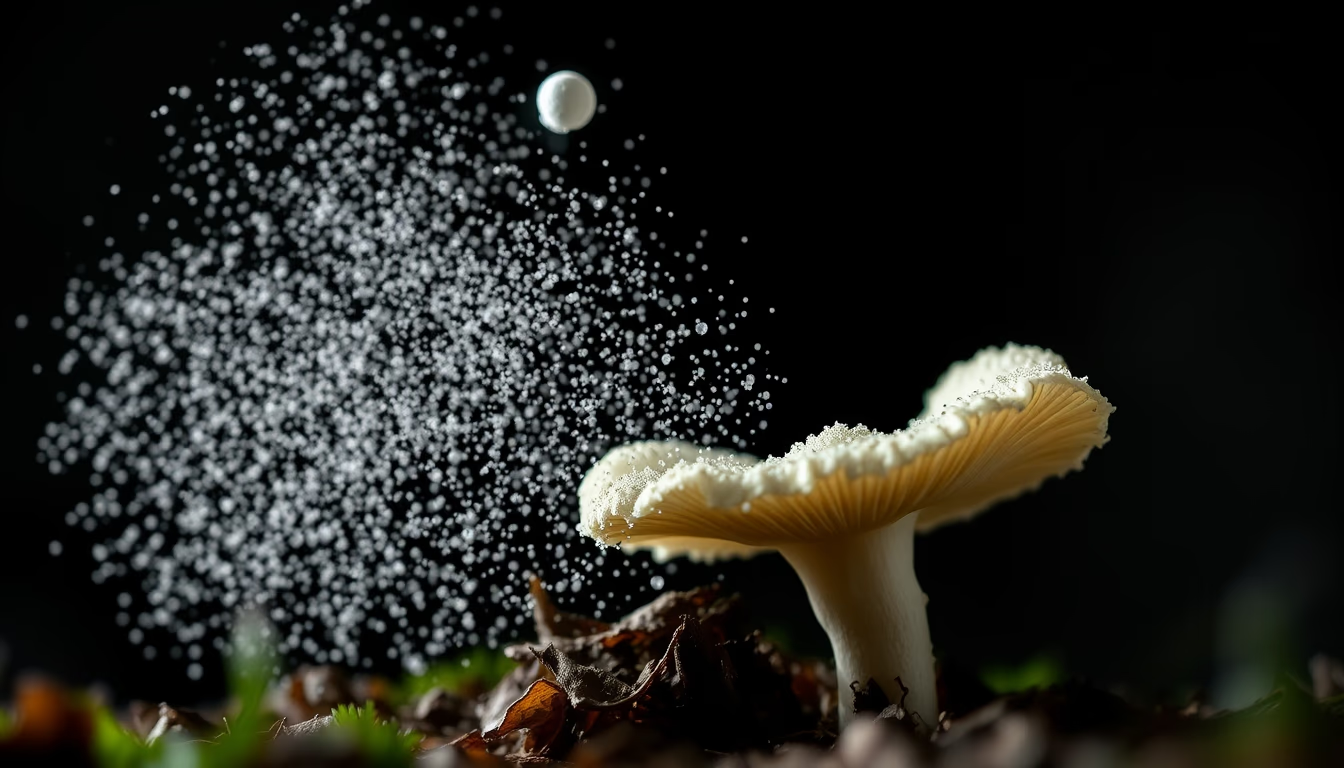
A fun fact: chanterelles form mycorrhizal associations with tree roots, a symbiotic relationship crucial for forest health. Studies suggest their distinctive aroma attracts spore dispersers like insects and mammals, aiding fungal reproduction.
Frequently Asked Questions
How to identify a true chanterelle?
A true chanterelle has egg-yellow to orange color, a funnel shape, and ridges (false gills) rather than true gills. The stem is continuous with the cap. Avoid mushrooms with true gills and those that glow in the dark (bioluminescence), characteristic of the false chanterelle (Omphalotus olearius).
What is the best season to harvest chanterelles in Europe?
It varies by region, generally from summer to autumn (June to October in the Northern Hemisphere). Peaks occur after moderate rainfall with mild temperatures.
Can chanterelles be commercially cultivated?
Not on a significant commercial scale. They form obligate mycorrhizal relationships with living trees, making controlled cultivation very difficult. Most chanterelles sold are wild-foraged.
Direct URL
https://pub-c7d6a6ea828543ac903a74a341ccb2e1.r2.dev/imagens/chanterelle-yellow-forest-architectural-photography-p4.avifHow to credit
Include a visible link back to UtilizAí. Copy one of the snippets below:
<a href="https://xn--utiliza-eza.com/en/midia/imagens/chanterelle-yellow-forest-architectural-photography-p4">Chanterelle yellow forest</a> by <a href="https://xn--utiliza-eza.com">UtilizAí</a>, licensed under <a href="https://creativecommons.org/licenses/by/4.0/">CC BY 4.0</a>.
[Chanterelle yellow forest](https://xn--utiliza-eza.com/en/midia/imagens/chanterelle-yellow-forest-architectural-photography-p4) by [UtilizAí](https://xn--utiliza-eza.com), CC BY 4.0
License: CC-BY-4.0