Cappuccino with foam art
1344×768 · AVIF · CC BY 4.0
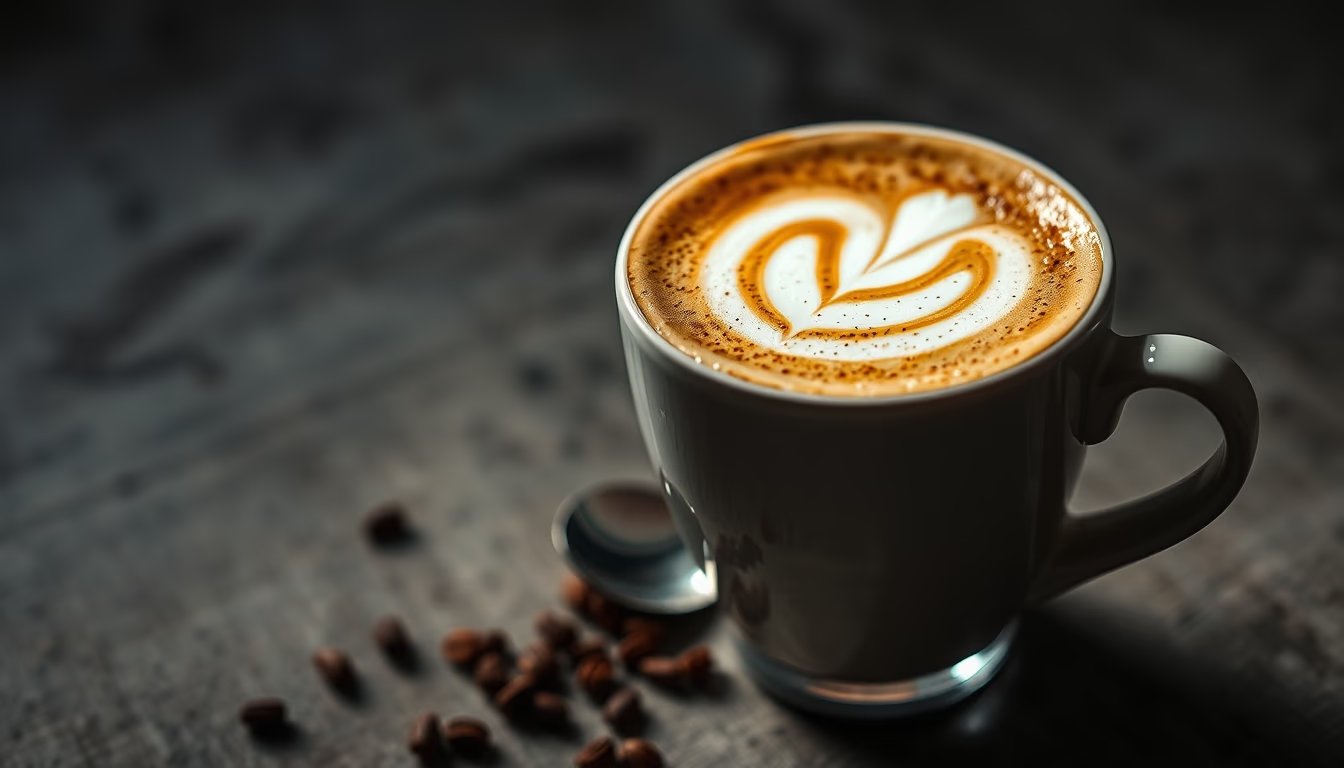
Cappuccino with foam art combines espresso, steamed milk, and latte art technique into a visually and gustatorily appealing beverage.
About this subject
Cappuccino is one of the world's most iconic coffee beverages, originating in Italy. Its classic composition consists of one-third espresso, one-third steamed milk, and one-third milk foam, creating distinct layers of texture and flavor. Foam art, known as latte art, transforms the beverage's surface into designs ranging from hearts and tulips to rosettas and intricate animals, requiring technical skill and creativity from the barista.
The technique of latte art emerged in Italy in the early 20th century, but it gained global popularity in the United States during the 1980s. Baristas like David Schomer from Seattle systematized milk steaming methods to produce microfoam, essential for crisp designs. The process involves controlled aeration of heated milk, resulting in a velvety texture that allows espresso to be poured to create patterns.
Culturally, cappuccino with foam art has become a symbol of specialty coffee culture and the pursuit of aesthetic perfection in food and beverages. It is often associated with the slow food movement, the appreciation of craftsmanship, and the complete sensory experience. In coffee shops worldwide, visual presentation is a competitive differentiator, and international latte art competitions, such as the World Latte Art Championship, celebrate barista skill.
Interestingly, the choice of art can reflect seasonal trends or cultural events. For example, in Brazil, it is common to see designs of coffee leaves or local fauna. Despite its apparent simplicity, cappuccino with foam art requires intensive practice: a barista takes months to master the basic heart and years to create complex compositions like swans or portraits.
Frequently Asked Questions
What distinguishes a cappuccino from other coffee milk drinks?
A cappuccino has specific proportions: 1/3 espresso, 1/3 steamed milk, and 1/3 milk foam, resulting in a thicker, airier texture. A latte, for example, has more milk and less foam, while a macchiato includes only a small amount of milk.
How is latte art created?
Latte art is created by pouring steamed milk (with microfoam) over espresso in a controlled manner. The barista uses precise pitcher movements to draw patterns such as hearts, tulips, and rosettas, leveraging the contrast between the dark espresso crema and the light foam.
Why has cappuccino with foam art become so popular on social media?
The combination of a tasty beverage with visually appealing presentation generates strong aesthetic appeal, ideal for photos and videos. Specialty coffee culture and the appreciation of craftsmanship also contribute to its online popularity, especially on platforms like Instagram and TikTok.
Direct URL
https://pub-c7d6a6ea828543ac903a74a341ccb2e1.r2.dev/imagens/cappuccino-with-foam-art-fine-art-photography-p6.avifHow to credit
Include a visible link back to UtilizAí. Copy one of the snippets below:
<a href="https://xn--utiliza-eza.com/en/midia/imagens/cappuccino-with-foam-art-fine-art-photography-p6">Cappuccino with foam art</a> by <a href="https://xn--utiliza-eza.com">UtilizAí</a>, licensed under <a href="https://creativecommons.org/licenses/by/4.0/">CC BY 4.0</a>.
[Cappuccino with foam art](https://xn--utiliza-eza.com/en/midia/imagens/cappuccino-with-foam-art-fine-art-photography-p6) by [UtilizAí](https://xn--utiliza-eza.com), CC BY 4.0
License: CC-BY-4.0