Coffee grinder antique
1344×768 · AVIF · CC BY 4.0
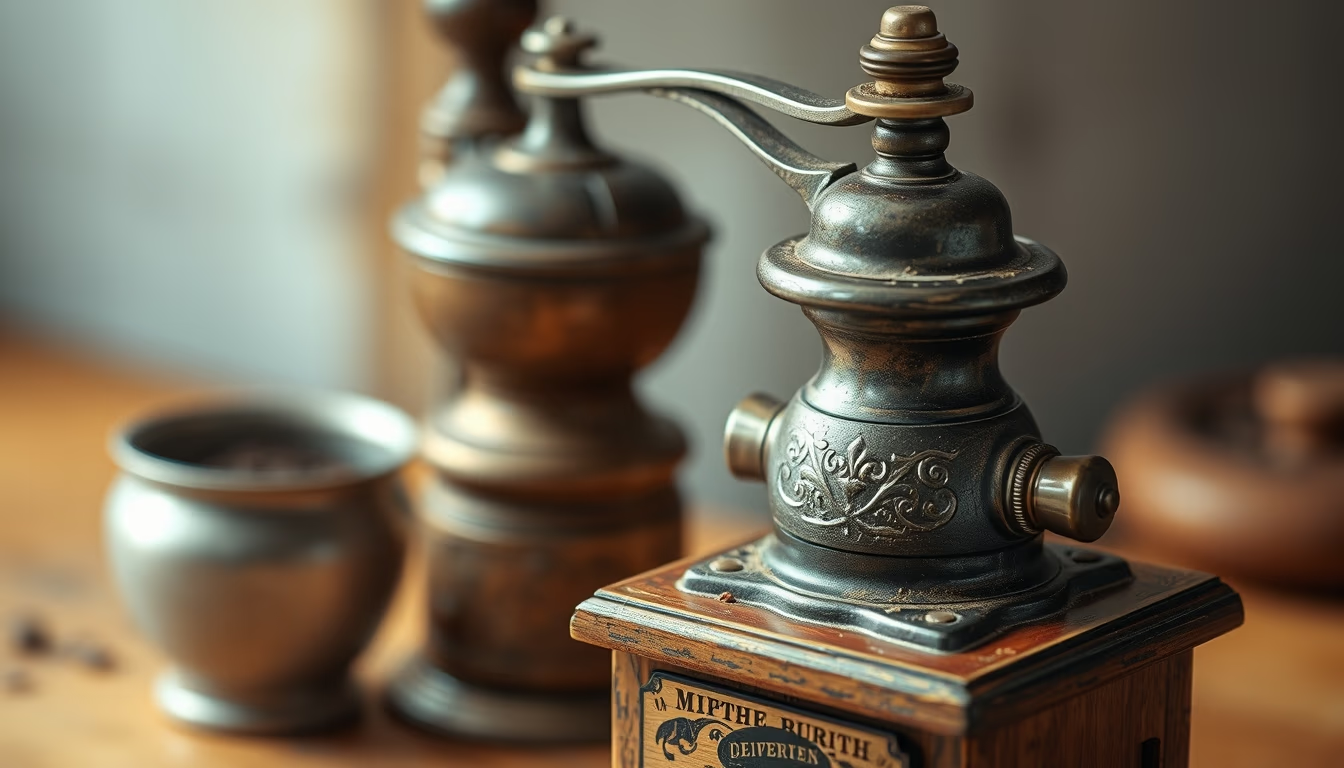
Antique coffee grinder, a historical piece that traces the early days of coffee cultivation and the evolution of artisanal brewing.
About this subject
Antique coffee grinders represent an era when coffee preparation was a slow and careful ritual. Before industrialization, beans were manually crushed using mortars and pestles or hand-crank mills, like the cast-iron and wooden models from the 19th century. These devices not only broke the beans but preserved essential oils and aromas, resulting in a fuller-bodied coffee.
In Brazil, a country with a strong coffee tradition, antique grinders were central pieces in farm kitchens and colonial mansions. Models such as the conical burr mill or the serrated cylinder grinder were common, often decorated with floral paintings or engravings. With the advent of instant coffee and electric grinders, these utensils fell into disuse, but today they are collector's items and vintage decor pieces.
The difference between blade and burr grinders is crucial for flavor. Antique grinders almost always used burrs (two surfaces that crush the beans), ensuring uniform grinding without overheating. Blade grinders, popular in the 20th century, grind unevenly and can burn the coffee. Therefore, many specialists recommend manual burr grinders for the best taste.
Interestingly, antique grinders also carry historical value: some belonged to important figures or were manufactured by companies like PeDe (German) or Zassenhaus. The patina of time, with signs of use and rust, is appreciated by collectors. Restoring them functionally is a hobby that keeps alive the tradition of freshly ground coffee.
Frequently Asked Questions
What is the difference between an antique hand-crank coffee grinder and modern electric ones?
Antique hand-crank grinders use burrs that crush beans uniformly without overheating. Modern electric grinders often use blades, which generate heat and produce uneven particles, harming flavor.
How can I identify an original antique coffee grinder?
Check for materials (cast iron, solid wood, brass), manufacturer marks (e.g., PeDe, Zassenhaus, Enterprise), and details like riveted screws, original paint, and consistent wear. The absence of plastic parts is a good sign.
Why does grinding coffee just before brewing improve the taste?
Ground beans quickly lose essential oils and volatile aromas. Grinding just before brewing releases fresh, complex flavors, while pre-ground coffee stales and oxidizes, becoming bitter and flat.
Direct URL
https://pub-c7d6a6ea828543ac903a74a341ccb2e1.r2.dev/imagens/coffee-grinder-antique-national-geographic-style-p6.avifHow to credit
Include a visible link back to UtilizAí. Copy one of the snippets below:
<a href="https://xn--utiliza-eza.com/en/midia/imagens/coffee-grinder-antique-national-geographic-style-p6">Coffee grinder antique</a> by <a href="https://xn--utiliza-eza.com">UtilizAí</a>, licensed under <a href="https://creativecommons.org/licenses/by/4.0/">CC BY 4.0</a>.
[Coffee grinder antique](https://xn--utiliza-eza.com/en/midia/imagens/coffee-grinder-antique-national-geographic-style-p6) by [UtilizAí](https://xn--utiliza-eza.com), CC BY 4.0
License: CC-BY-4.0