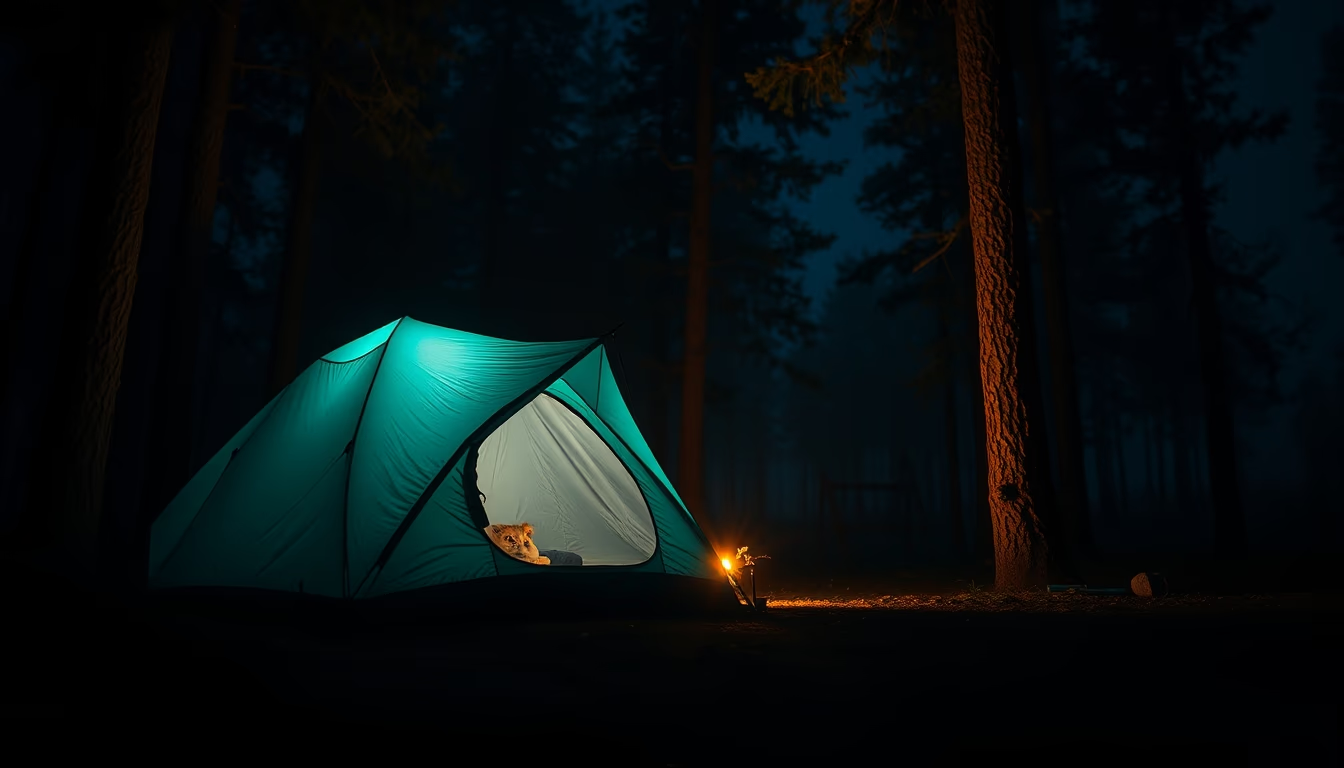
Camping tent forest night
1344×768 · AVIF · CC BY 4.0
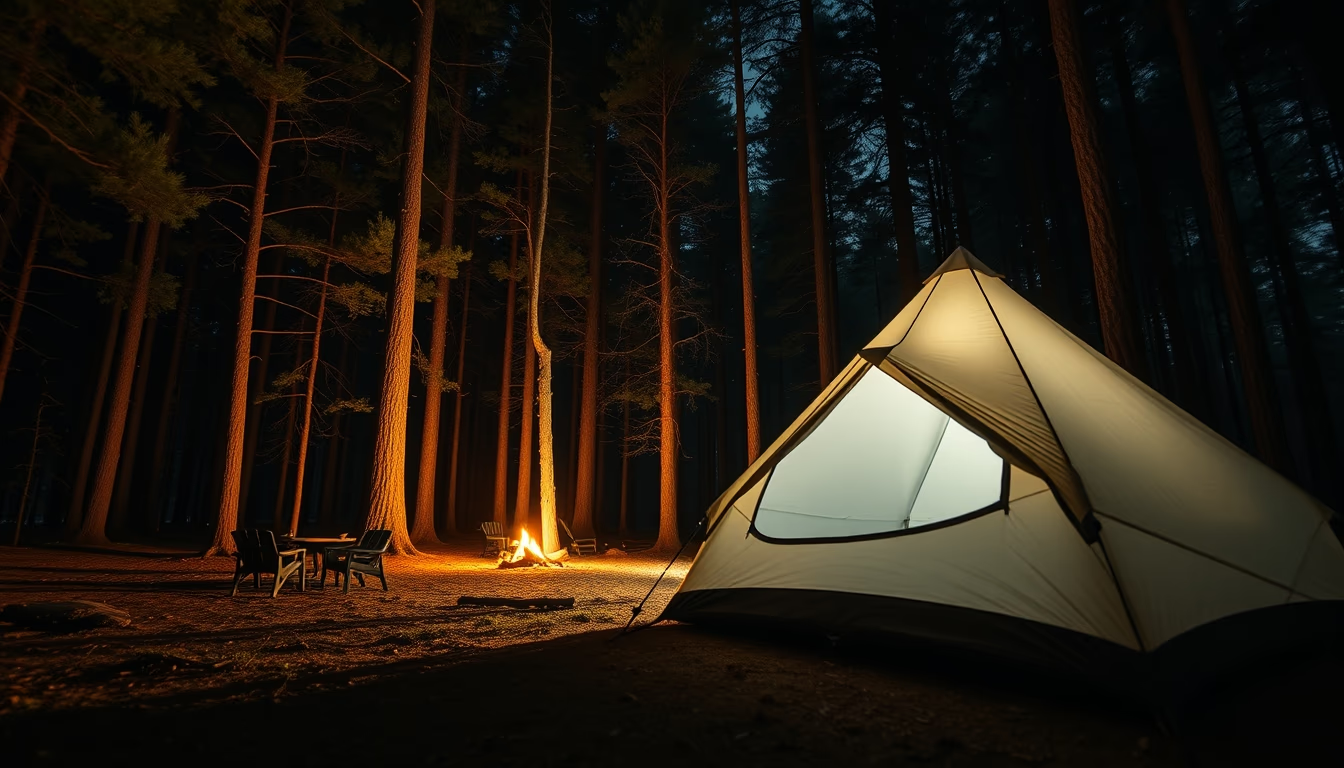
Camping in a tent in the forest at night is an immersive experience that connects travelers to nature. Discover essential tips and fun facts about this practice.
About this subject
Camping in a tent in the forest at night is an activity gaining popularity worldwide, driven by the desire for digital detox and direct contact with nature. Choosing the right spot is crucial: flat ground away from water bodies to avoid flooding, and with protection from strong winds. National parks like Yosemite (USA) or Banff (Canada) offer monitored campgrounds perfect for beginners.
Beyond the tent, essential gear includes a sleeping pad to prevent heat loss from the ground, crucial in cold nights even in summer. Sleeping bags should be selected based on temperature rating (in °F or °C). A headlamp, first aid kit, and a whistle for emergencies are must-haves. Mastering proper tent staking techniques prevents it from being blown away by wind.
Nightlife in the forest is a spectacle: sounds of crickets, owls, and occasionally distant coyotes enrich the experience. To avoid unwanted animal visitors, store food in airtight containers or bear canisters where required. In North America, bear-proof containers are mandatory in many areas. In tropical regions, insect repellent and mosquito nets are essential to avoid bites and diseases.
Culturally, camping has become an accessible and democratic hobby. Music festivals like Glastonbury or Tomorrowland popularized the aesthetic of night camping, but the true essence lies in simplicity: a campfire, good company, and a starry sky free from light pollution. With the global trend towards minimalism and sustainability, low-impact camping (Leave No Trace) strengthens, encouraging practices like packing out all trash, using biodegradable soap, and respecting local wildlife.
Frequently Asked Questions
What is the best type of tent for camping in the forest at night?
For most situations, a two-pole dome tent is versatile and wind-resistant. Models with a double-layer flysheet prevent internal condensation. Choose waterproof materials and aluminum stakes for hard ground.
How to set up a safe campsite in a forest area?
Select level ground away from streams and trees with dead branches. Pitch the tent on a slight rise to avoid flooding. Always check the weather forecast and have an evacuation plan in case of storms or wildfires.
What can I do to sleep well inside a tent in the forest?
Use a sleeping pad and a sleeping bag rated for the expected temperature. Ventilate the tent to prevent condensation. Bring a travel pillow and an eye mask if the moon is bright. Avoid heavy meals before bed and use the toilet before zipping in.
Direct URL
https://pub-c7d6a6ea828543ac903a74a341ccb2e1.r2.dev/imagens/camping-tent-forest-night-minimalist-composition-p5.avifHow to credit
Include a visible link back to UtilizAí. Copy one of the snippets below:
<a href="https://xn--utiliza-eza.com/en/midia/imagens/camping-tent-forest-night-minimalist-composition-p5">Camping tent forest night</a> by <a href="https://xn--utiliza-eza.com">UtilizAí</a>, licensed under <a href="https://creativecommons.org/licenses/by/4.0/">CC BY 4.0</a>.
[Camping tent forest night](https://xn--utiliza-eza.com/en/midia/imagens/camping-tent-forest-night-minimalist-composition-p5) by [UtilizAí](https://xn--utiliza-eza.com), CC BY 4.0
License: CC-BY-4.0