Calligraphy nibs collection
1344×768 · AVIF · CC BY 4.0
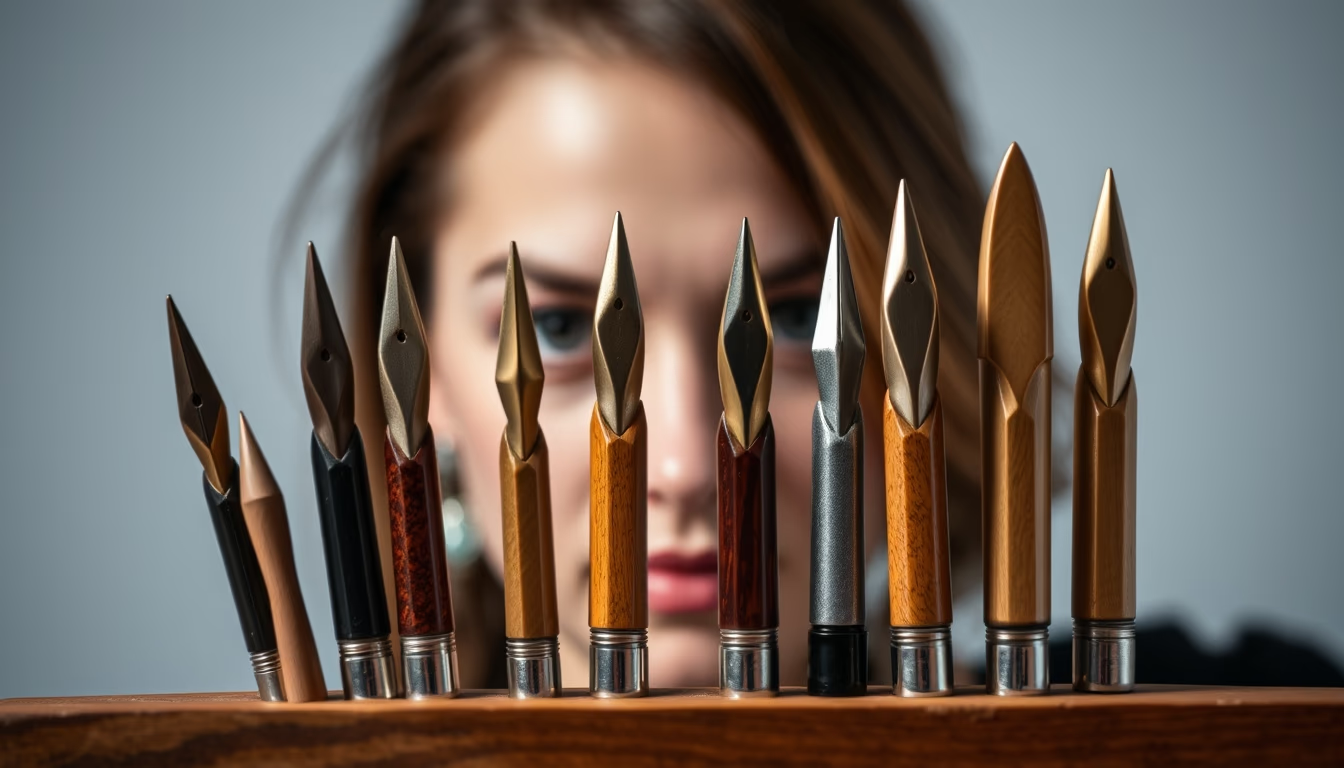
Calligraphy nibs collection: types, materials, and tips for choosing the right nib for each writing style.
About this subject
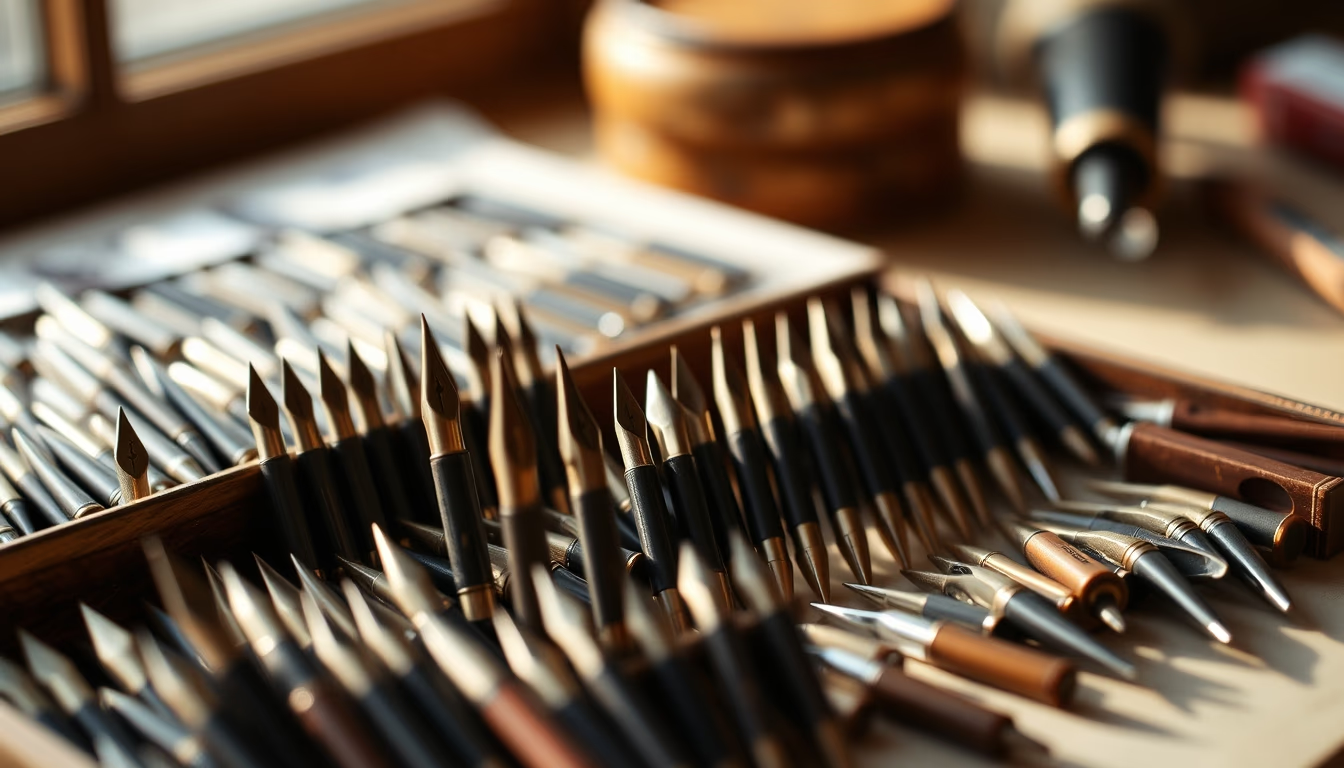
Calligraphy nibs are the essential part of a fountain pen or a nib holder used for writing with ink. They determine the thickness and variation of the stroke, allowing calligraphers to create letters with different line widths. There are hundreds of models, each designed for a specific style, such as italic, gothic, copperplate, or Spencerian. The choice of nib depends on the type of calligraphy being practiced, the pressure applied, and the fluidity of the ink.
Nibs fall into three main categories: broad edge, pointed, and flex nib. The broad edge has a flat, wide tip, ideal for medieval and italic scripts like uncial and blackletter. The pointed nib ends in a sharp point, used for copperplate and Spencerian, where the contrast between thin and thick strokes is achieved by pressure. Flex nibs allow this variation more easily, as the tines spread apart under pressure. Common materials include stainless steel, gold, and rarely titanium. Gold nibs are generally more flexible and corrosion-resistant, but more expensive.
Historically, the first metal nibs appeared in the early 19th century, replacing quills. Brands like Hunt, Brause, Leonardt, and Gillott became benchmarks, producing high-quality nibs that are still collected today. A nib collection might include rare models such as 19th-century gold nibs or modern Japanese flex nibs. Each nib has a unique feel when writing, and the search for new models is part of the fascination for calligraphers.
To keep nibs in good condition, clean them after use by removing ink residue with water and a soft cloth. Avoid letting ink dry on the nib, as it may clog or corrode the metal. Store in a dry place, ideally in a box with individual compartments. Before using a new nib, many calligraphers lightly wet the tip to remove the protective factory oil, ensuring smoother writing.
Frequently Asked Questions
How to choose a calligraphy nib for beginners?
For beginners, it's recommended to start with a medium broad edge nib, such as a 2.0 mm, to practice gothic or italic scripts. Another option is a steel pointed nib like the Leonardt EF Principal to learn pressure control and create thin and thick strokes.
What is the difference between a flex nib and a rigid nib?
A flex nib has thinner, more elastic tines that spread apart under pressure, creating thick strokes, and close without pressure for thin strokes. A rigid nib keeps the tip fixed, producing constant line width. Flex is used in styles like copperplate; rigid is common in modern and italic calligraphy.
How to properly clean calligraphy nibs?
After use, rinse the nib under running water or dip it in a glass of water for a few seconds, then dry with a soft cloth or paper towel without excessive rubbing. Avoid abrasive cleaners. For nibs clogged with dried ink, soak in warm water or use a specialized cleaning solution.
Direct URL
https://pub-c7d6a6ea828543ac903a74a341ccb2e1.r2.dev/imagens/calligraphy-nibs-collection-studio-editorial-portrait-fresh0.avifHow to credit
Include a visible link back to UtilizAí. Copy one of the snippets below:
<a href="https://xn--utiliza-eza.com/en/midia/imagens/calligraphy-nibs-collection-studio-editorial-portrait-fresh0">Calligraphy nibs collection</a> by <a href="https://xn--utiliza-eza.com">UtilizAí</a>, licensed under <a href="https://creativecommons.org/licenses/by/4.0/">CC BY 4.0</a>.
[Calligraphy nibs collection](https://xn--utiliza-eza.com/en/midia/imagens/calligraphy-nibs-collection-studio-editorial-portrait-fresh0) by [UtilizAí](https://xn--utiliza-eza.com), CC BY 4.0
License: CC-BY-4.0