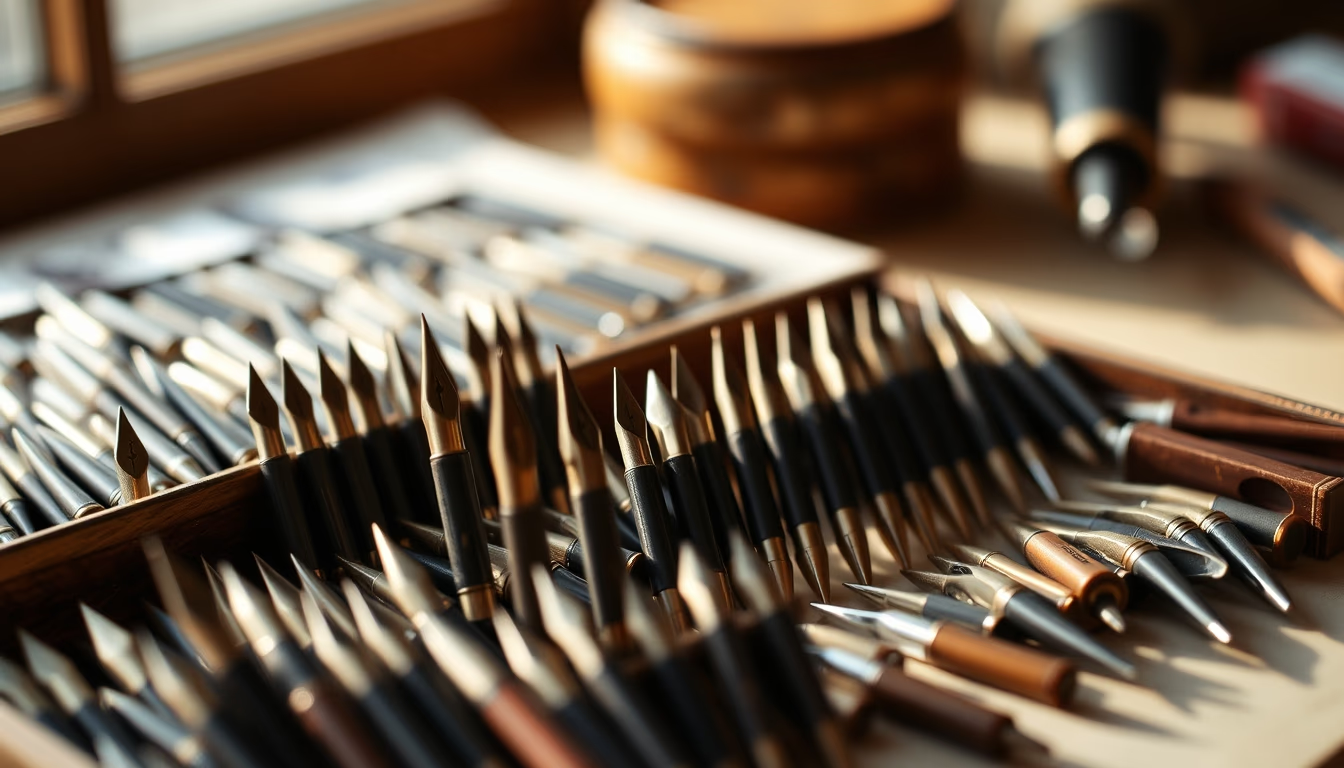
Calligraphy nibs collection
1344×768 · AVIF · CC BY 4.0
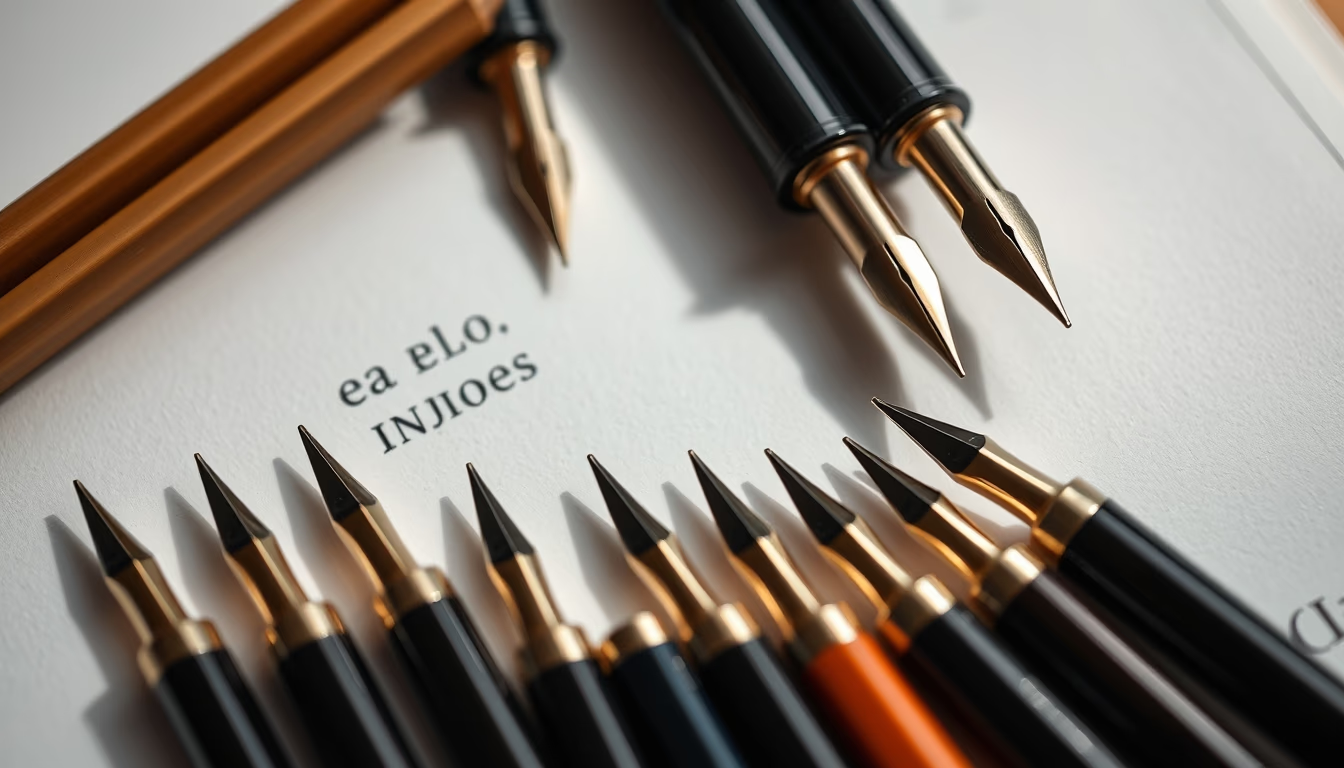
Calligraphy nibs: explore the types, materials, and techniques that turn handwriting into art.
About this subject
Calligraphy nibs are the core tool of calligraphy, defining the stroke and style of writing. They vary in shape, width, and material, from stainless steel to gold and platinum, each offering different flexibility and response. Common types include broad-edge nibs, used for italic and gothic calligraphy; pointed nibs, for copperplate and Spencerian scripts; and technical drawing nibs, like those for fountain pens. The choice of nib depends on the desired style and applied pressure: flexible nibs produce thick-thin line variation, while rigid ones create uniform lines.
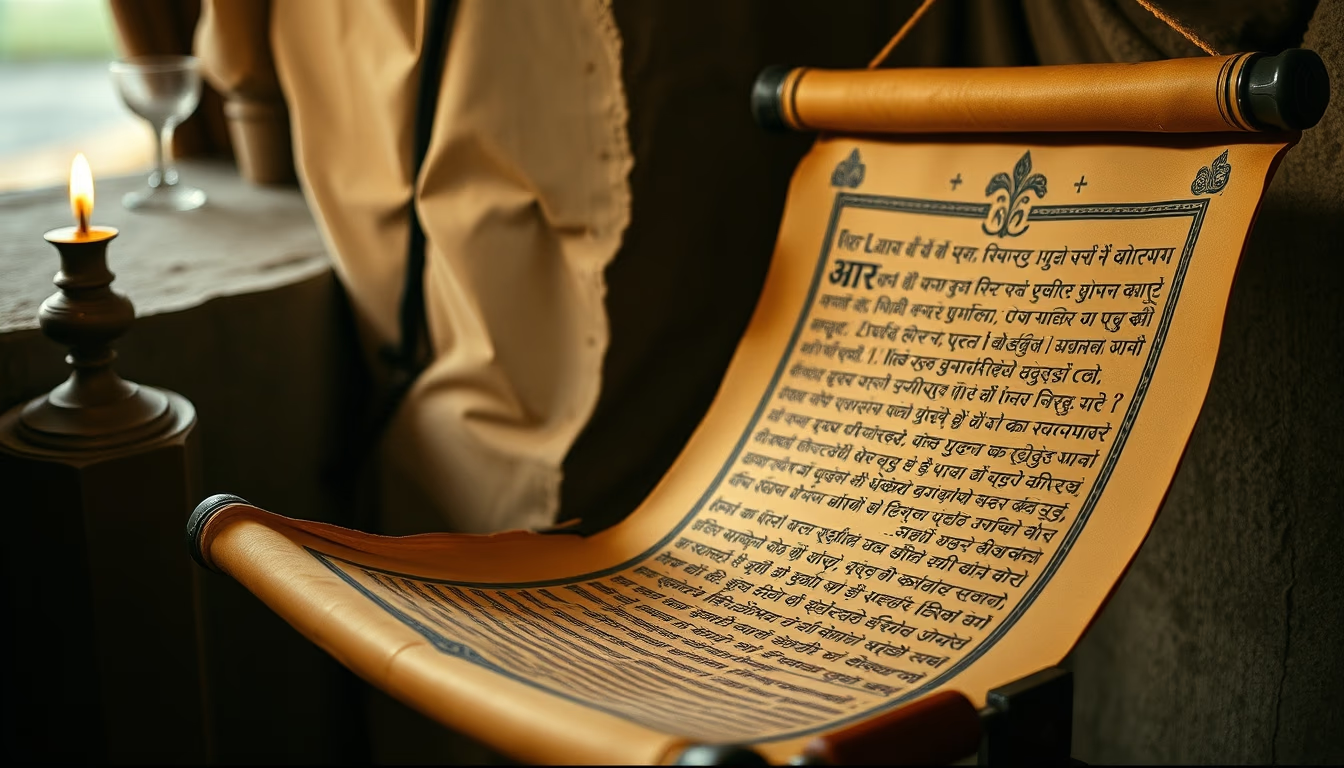
Historically, the first metal nibs appeared in the 18th century, replacing bird feather quills due to their durability and standardization. The Industrial Revolution enabled mass production, popularizing calligraphy among the middle class. Brands like Leonardt, Hunt, and Gillott became benchmarks, and their nibs are still used by contemporary calligraphers. In Brazil, calligraphy gained prominence with European immigration and the tradition of handwritten documents, but gradually gave way to digital means. Today, there is a resurgence of interest, with online courses and communities.
Noble materials like 14k or 18k gold are preferred by experienced calligraphers, as they offer greater flexibility and corrosion resistance, adapting well to ink and paper. Steel nibs are more affordable and durable, ideal for beginners. Maintenance is crucial: after each use, the nib should be cleaned with water and dried, avoiding ink residue that clogs flow. Some calligraphers also bend or adjust the nib to obtain specific characteristics, such as increased flexibility.
Interestingly, nib size is measured in units like "mm" or traditional numbering (e.g., No. 1, No. 6). There are nibs for fountain pens (with cartridge or converter) and for dip pens (oblique and straight). Hand position and pen angle directly influence the outcome. Mastering different nibs is one of the challenges of calligraphy, requiring practice and patience. For beginners, it is recommended to start with a kit containing various nibs, an oblique holder, and water-based inks.
Frequently Asked Questions
What is the difference between steel and gold nibs?
Steel nibs are harder and cheaper, ideal for beginners. Gold nibs (14k or 18k) are more flexible and smooth, offering greater line variation and corrosion resistance, preferred by experienced calligraphers.
How do I choose my first calligraphy nib?
It is recommended to start with a broad-edge nib of medium size (1.5 mm to 2.0 mm) to learn basic angles. Brands like Brause and Speedball have good options for beginners.
Do I need an oblique holder for calligraphy?
For copperplate or Spencerian calligraphy, an oblique holder helps maintain the correct nib angle (about 55 degrees). For italic styles, a straight holder is sufficient. Beginners may use a fountain pen with a stub nib.
Direct URL
https://pub-c7d6a6ea828543ac903a74a341ccb2e1.r2.dev/imagens/calligraphy-nibs-collection-magazine-editorial-fresh5.avifHow to credit
Include a visible link back to UtilizAí. Copy one of the snippets below:
<a href="https://xn--utiliza-eza.com/en/midia/imagens/calligraphy-nibs-collection-magazine-editorial-fresh5">Calligraphy nibs collection</a> by <a href="https://xn--utiliza-eza.com">UtilizAí</a>, licensed under <a href="https://creativecommons.org/licenses/by/4.0/">CC BY 4.0</a>.
[Calligraphy nibs collection](https://xn--utiliza-eza.com/en/midia/imagens/calligraphy-nibs-collection-magazine-editorial-fresh5) by [UtilizAí](https://xn--utiliza-eza.com), CC BY 4.0
License: CC-BY-4.0