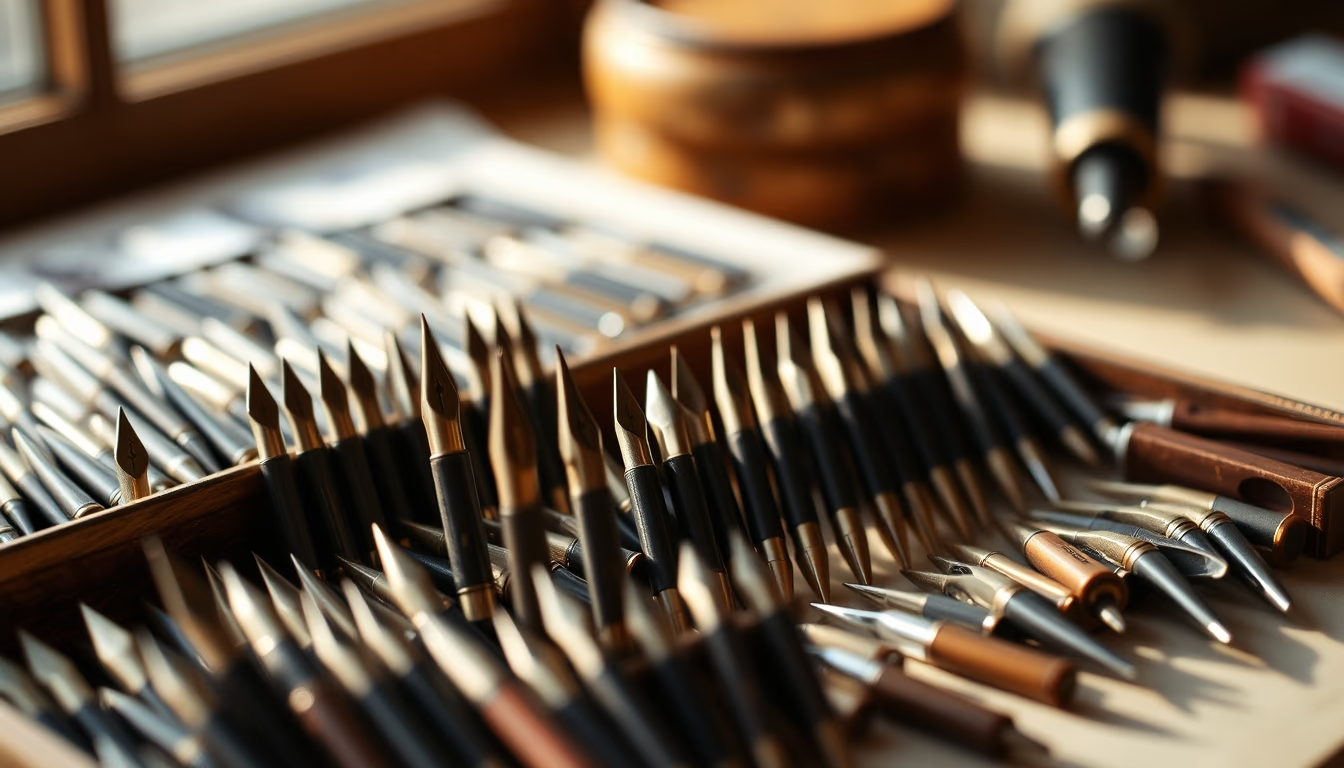
Calligraphy nibs collection
1344×768 · AVIF · CC BY 4.0
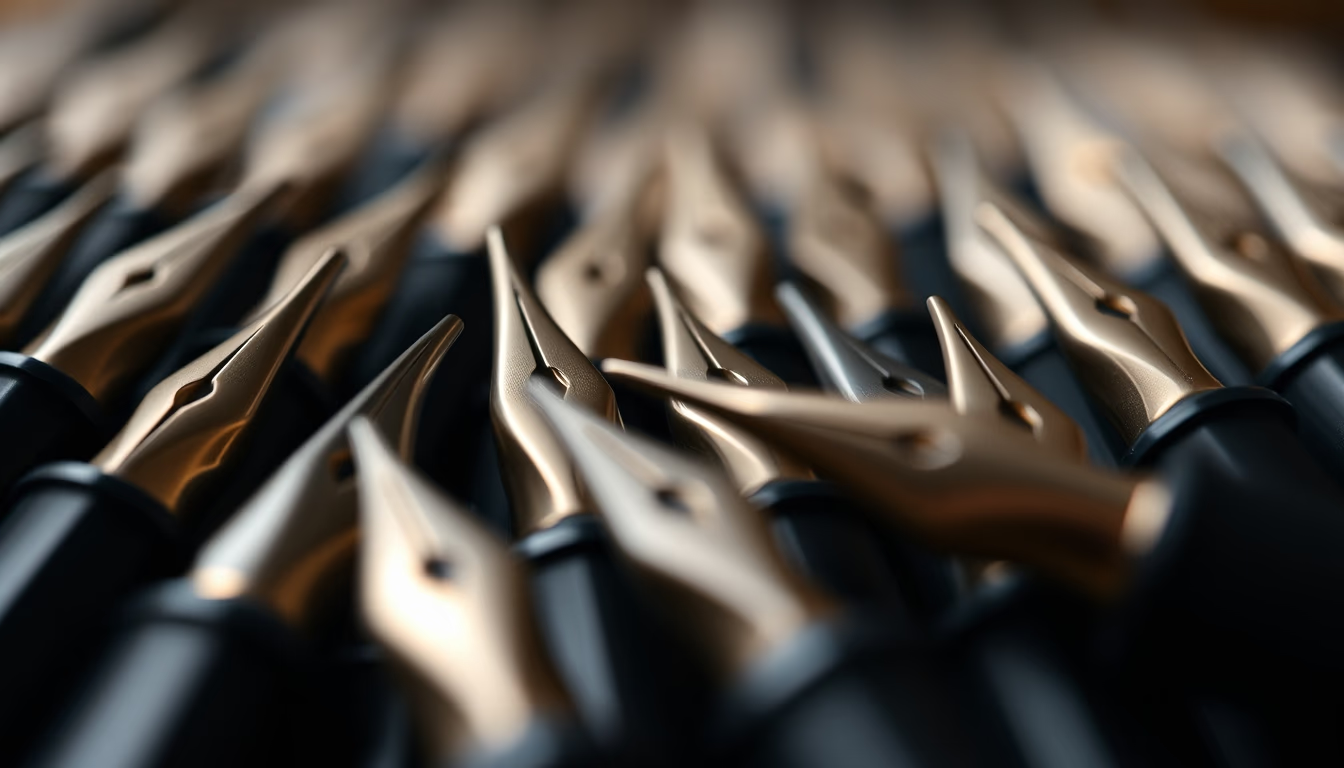
A collection of calligraphy nibs reveals the diversity of shapes and materials used in the art of hand lettering.
About this subject
Calligraphy nibs are the heart of artistic handwriting, consisting of a metal blade with a precise slit that regulates ink flow. Their main classification divides into broad edge nibs, ideal for Gothic and italic scripts, and pointed flexible nibs used in scripts like Copperplate and Spencerian, where pressure varies stroke thickness. Materials range from steel and brass to gold, with steel being most common due to good flexibility at low cost, while gold-plated nibs are smoother and corrosion-resistant.
Historically, metal nibs replaced quills in the 19th century with industrial production. Brands like Hunt, Leonardt, Brause, and Nikko became benchmarks, each with specific models for different styles. For example, the Hunt 22B is known for flexibility, while the Brause Rose offers stiffness for beginners. After the 1920s, calligraphy declined with typewriters, but the resurgence of hand lettering and bullet journals in the 2010s brought new demand for specialized nibs.
In practice, choosing a nib depends on script style, ink type, and paper. Flexible nibs require more fluid ink and less absorbent paper to prevent bleeding. Collectors value vintage sets, such as palladium nibs or those with integrated reservoirs that eliminate dipping. Maintenance involves cleaning after each use with cold water and dry storage to prevent oxidation. Artists often modify nibs by sharpening tips or adjusting slit width to create unique effects.
Technically, nib behavior is defined by its parts: shoulders, slit, tip shape, and reservoir presence. The slit determines capillary action, and its opening (tines) controls ink volume. Nibs with breather holes facilitate flow. Flexibility is measured by metal thickness and profile, with 'flex nibs' capable of tripling stroke width with pressure. Understanding these variables allows calligraphers to control each hairlines with precision, turning writing into artistic expression.
Frequently Asked Questions
How to choose the right nib for beginners in calligraphy?
For beginners, broad edge nibs like the Brause Rose or Speedball C-series are recommended, offering less flexibility and more control. Medium-hard steel nibs such as the Nikko G and Zebra G are also popular, being responsive without requiring excessive pressure.
What materials are used in manufacturing calligraphy nibs?
Common materials are stainless steel, phosphor bronze, and gold. Steel is durable and cheap; bronze offers medium flexibility; gold (usually 14k or 18k) is softer and corrosion-resistant, used in high-end nibs. Vintage models sometimes use palladium or nickel silver.
How to care for calligraphy nibs to extend their lifespan?
Clean nib after each use with cold water and dry immediately with a soft cloth. Never use hot water, as it can warp the metal. Store in a dry place away from humidity. If oxidation occurs, use a mild rust remover. Avoid excessive pressure to prevent damaging the tines.
Direct URL
https://pub-c7d6a6ea828543ac903a74a341ccb2e1.r2.dev/imagens/calligraphy-nibs-collection-macro-closeup-fresh2.avifHow to credit
Include a visible link back to UtilizAí. Copy one of the snippets below:
<a href="https://xn--utiliza-eza.com/en/midia/imagens/calligraphy-nibs-collection-macro-closeup-fresh2">Calligraphy nibs collection</a> by <a href="https://xn--utiliza-eza.com">UtilizAí</a>, licensed under <a href="https://creativecommons.org/licenses/by/4.0/">CC BY 4.0</a>.
[Calligraphy nibs collection](https://xn--utiliza-eza.com/en/midia/imagens/calligraphy-nibs-collection-macro-closeup-fresh2) by [UtilizAí](https://xn--utiliza-eza.com), CC BY 4.0
License: CC-BY-4.0