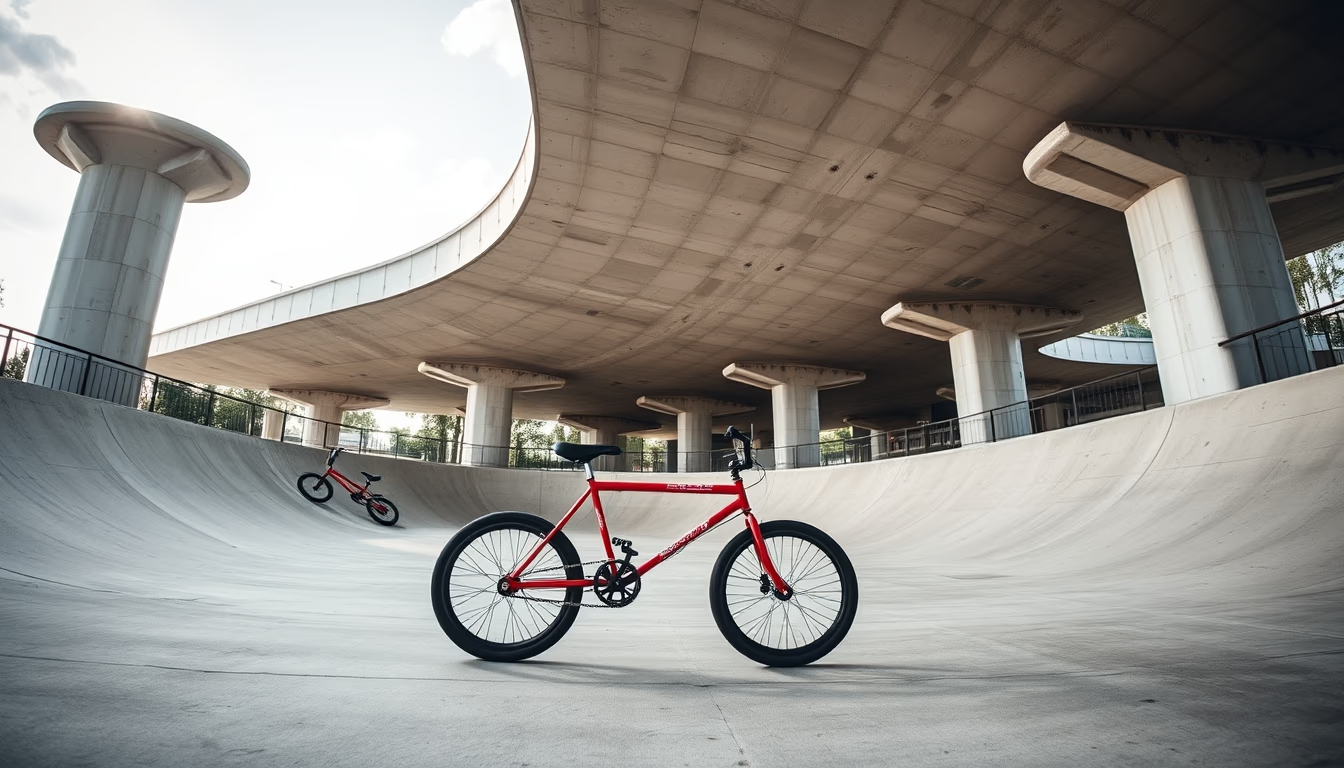
Bmx skatepark concrete
1344×768 · AVIF · CC BY 4.0
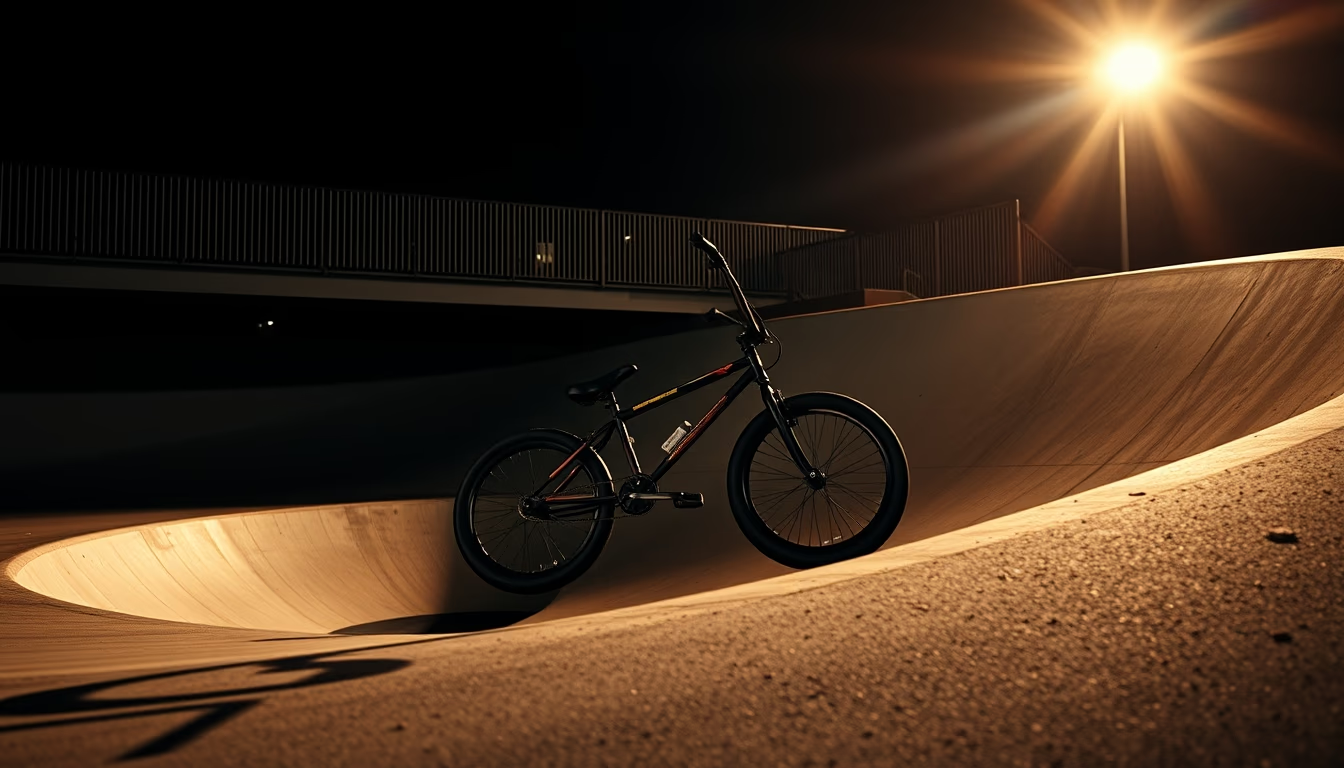
BMX at concrete skateparks combines technical precision and creativity, driving the radical cycling culture in Brazil and worldwide.
About this subject
BMX, short for Bicycle Motocross, originated in California in the 1970s, inspired by motocross. In Brazil, it gained momentum in the 1980s with dirt tracks and later with the rise of concrete skateparks. These spaces, originally designed for skateboarding, were adapted for bicycles, allowing tricks like grinds, drops, and airs. The smooth surface and gentle transitions of concrete provide greater durability and less friction, favoring speed and trick execution.
Concrete skateparks are considered the 'second home' of radical bikers, especially in countries like Brazil, the United States, and Australia. In Brazil, parks like Ibirapuera Skatepark (São Paulo) and Curitiba BMX Track are iconic. The BMX Freestyle discipline, focusing on park tricks, became an Olympic sport at Tokyo 2020, boosting the construction of standardized concrete courses by the UCI (International Cycling Union).
Lighting in BMX is crucial for night competitions and sports photography. Techniques like Rembrandt lighting, which creates a triangle of light under the athlete's eye, are used to highlight the drama of maneuvers. This enhances tension and adrenaline, with deep shadows emphasizing the contrast between athlete and the built environment. Concrete, as a cold gray material, serves as a perfect backdrop to accentuate the vibrant colors of bikes and gear.
Trivia: the first concrete skateparks in the world were built in the 1970s in Arizona and California. In Brazil, the first official skatepark opened in 1985 in São Bernardo do Campo. Since then, BMX culture has evolved, with events like the Red Bull Brick Yard and the Copa Brasil de BMX Freestyle attracting athletes nationwide.
Frequently Asked Questions
What is BMX and how is it different from traditional cycling?
BMX is a cycling discipline using small, sturdy bikes for tricks on dirt tracks or skateparks. Unlike road cycling or mountain biking, BMX focuses on jumps, spins, and stunts at high speed, requiring balance and explosive strength.
What are common BMX tricks at concrete skateparks?
Common tricks include the barspin (spinning the handlebars), tailwhip (spinning the bike frame), 360 (full rotation in the air), and grind (sliding on rails or ledges). Concrete's smooth surface enables smoother slides.
Why is concrete the preferred material for BMX skateparks?
Concrete offers superior durability, a uniform surface, and low maintenance. It provides less friction than asphalt or wood, facilitating slide tricks and increasing speed on transitions.
Direct URL
https://pub-c7d6a6ea828543ac903a74a341ccb2e1.r2.dev/imagens/bmx-skatepark-concrete-rembrandt-lighting-dramatic-shadows-fresh6.avifHow to credit
Include a visible link back to UtilizAí. Copy one of the snippets below:
<a href="https://xn--utiliza-eza.com/en/midia/imagens/bmx-skatepark-concrete-rembrandt-lighting-dramatic-shadows-fresh6">Bmx skatepark concrete</a> by <a href="https://xn--utiliza-eza.com">UtilizAí</a>, licensed under <a href="https://creativecommons.org/licenses/by/4.0/">CC BY 4.0</a>.
[Bmx skatepark concrete](https://xn--utiliza-eza.com/en/midia/imagens/bmx-skatepark-concrete-rembrandt-lighting-dramatic-shadows-fresh6) by [UtilizAí](https://xn--utiliza-eza.com), CC BY 4.0
License: CC-BY-4.0