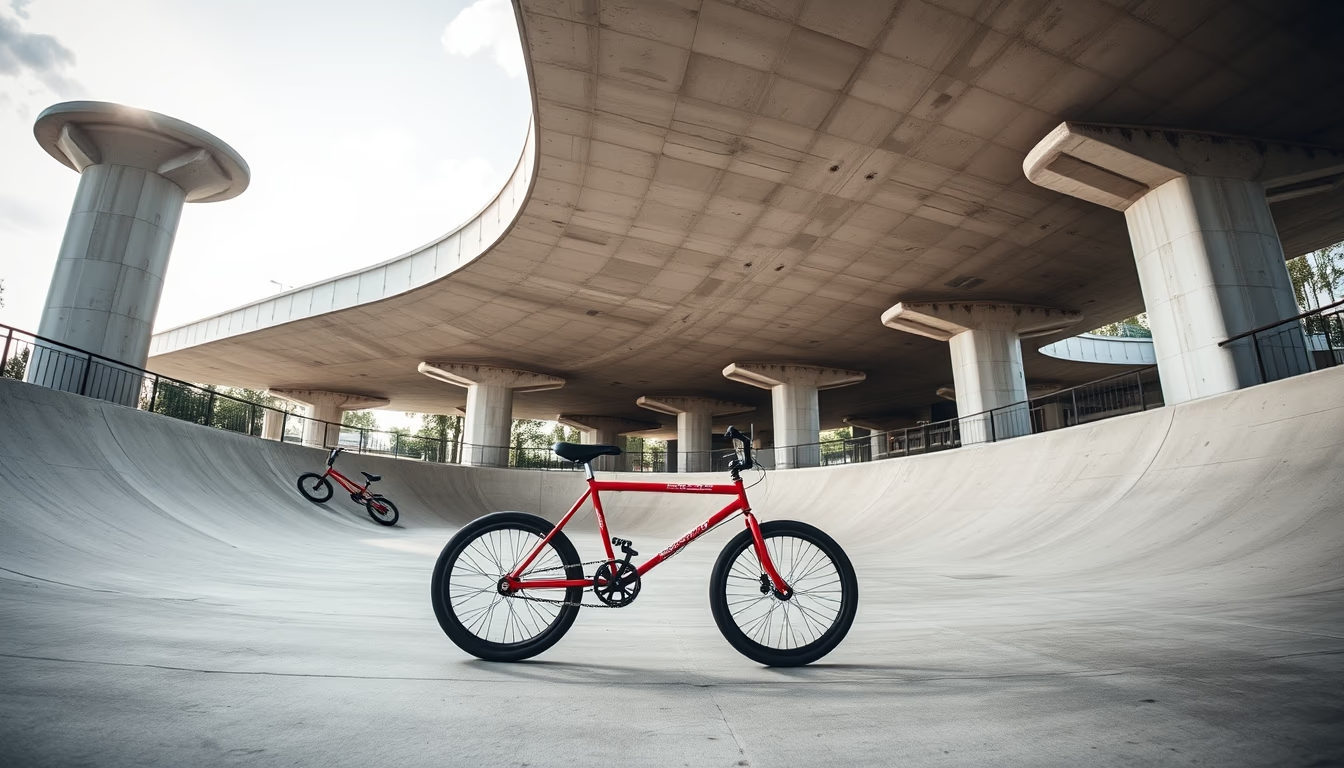
Bmx skatepark concrete
1344×768 · AVIF · CC BY 4.0
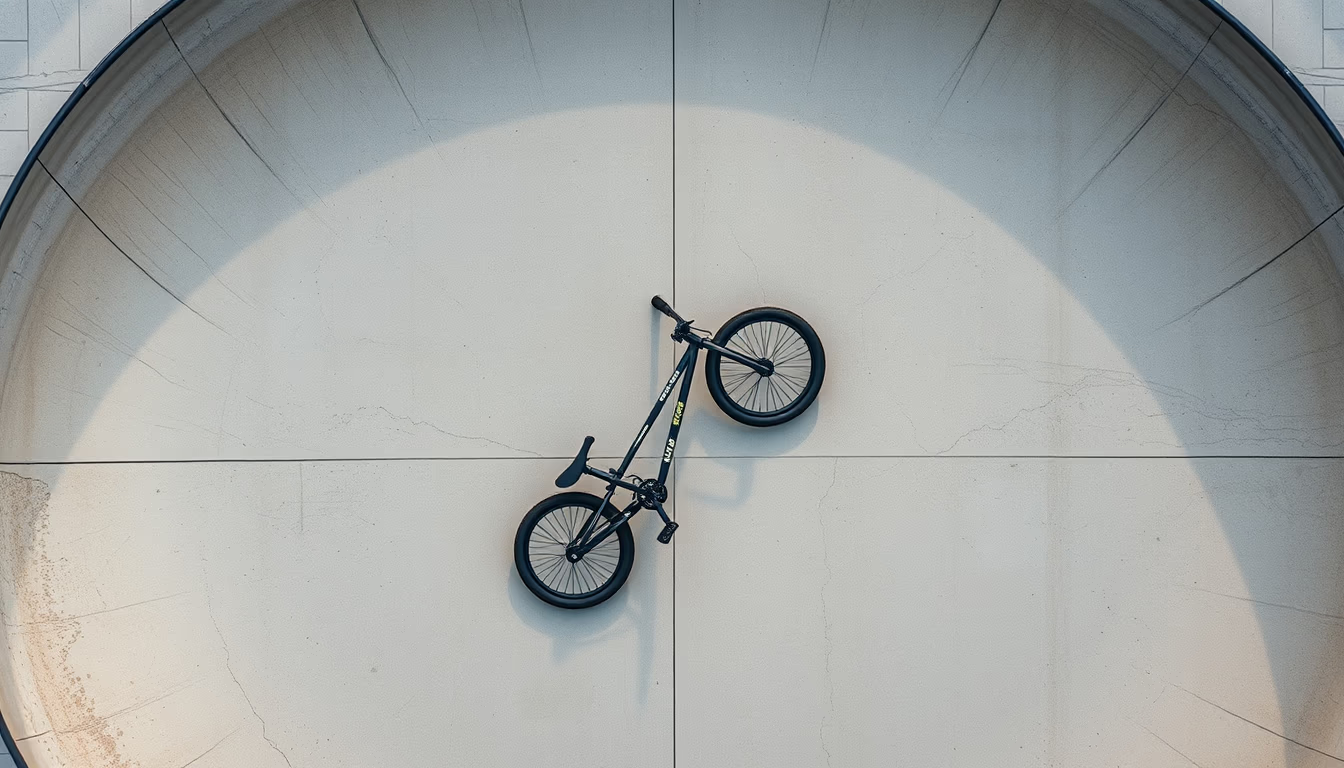
Concrete skateparks for BMX provide durable and smooth surfaces designed for high-speed tricks and jumps.
About this subject
Concrete skateparks for BMX are permanent structures that have become the preferred choice in many urban parks and sports centers worldwide. Unlike wood or metal ramps, concrete offers a more consistent and weather-resistant surface, reducing long-term maintenance costs. These parks are designed with elements such as bowls, half-pipes, spines, and rails, all adapted for BMX riding, which requires smooth transitions and ample rolling areas for aerial tricks.
The history of concrete BMX parks dates back to the 1970s and 1980s, when the first public skateparks began appearing in the United States, like the iconic Kona Skatepark in Florida (1977). In Brazil, the culture of BMX on concrete tracks has gained momentum in recent decades, with notable examples such as the Olympic Park in Barra da Tijuca, Rio de Janeiro, and the Ibirapuera Skatepark in São Paulo. These spaces are often designed by specialized architects who consider flow, safety, and rider progression.
An important technical aspect is the concrete texture. High-level parks use a specific finish, known as "pebble finish" or fine texture, providing ideal grip for BMX tires without excessive wear. Additionally, the edges of transitions (coping) are usually made of stainless steel or polished concrete, allowing smooth slides. Construction follows strict drainage standards to prevent water accumulation, ensuring the track can be used even after moderate rain.
Interestingly, many Olympic BMX freestyle competitors train on concrete parks because of the predictability of the surfaces. Since 2020, BMX freestyle has been an Olympic discipline, and concrete parks have become standard at international events. In Brazil, athletes like Bruno Cogo and Raíza Goulart excel in this discipline, using concrete parks daily to develop consistency and control.
Frequently Asked Questions
What are the benefits of concrete BMX skateparks?
Concrete parks offer superior durability, low maintenance, and a consistent surface for predictable training. They also withstand weather and wear better than wood or metal parks.
How is a concrete skatepark maintained?
Maintenance involves regular debris removal, crack repair with specialized sealants, and occasional texture reapplication. Proper drainage is essential to prevent water damage.
What are the main features of a concrete BMX park?
Common features include bowls, half-pipes, quarter-pipes, spines, rails, and coping edges. The layout is designed for smooth flow and a variety of obstacles.
Direct URL
https://pub-c7d6a6ea828543ac903a74a341ccb2e1.r2.dev/imagens/bmx-skatepark-concrete-isometric-flat-lay-fresh3.avifHow to credit
Include a visible link back to UtilizAí. Copy one of the snippets below:
<a href="https://xn--utiliza-eza.com/en/midia/imagens/bmx-skatepark-concrete-isometric-flat-lay-fresh3">Bmx skatepark concrete</a> by <a href="https://xn--utiliza-eza.com">UtilizAí</a>, licensed under <a href="https://creativecommons.org/licenses/by/4.0/">CC BY 4.0</a>.
[Bmx skatepark concrete](https://xn--utiliza-eza.com/en/midia/imagens/bmx-skatepark-concrete-isometric-flat-lay-fresh3) by [UtilizAí](https://xn--utiliza-eza.com), CC BY 4.0
License: CC-BY-4.0