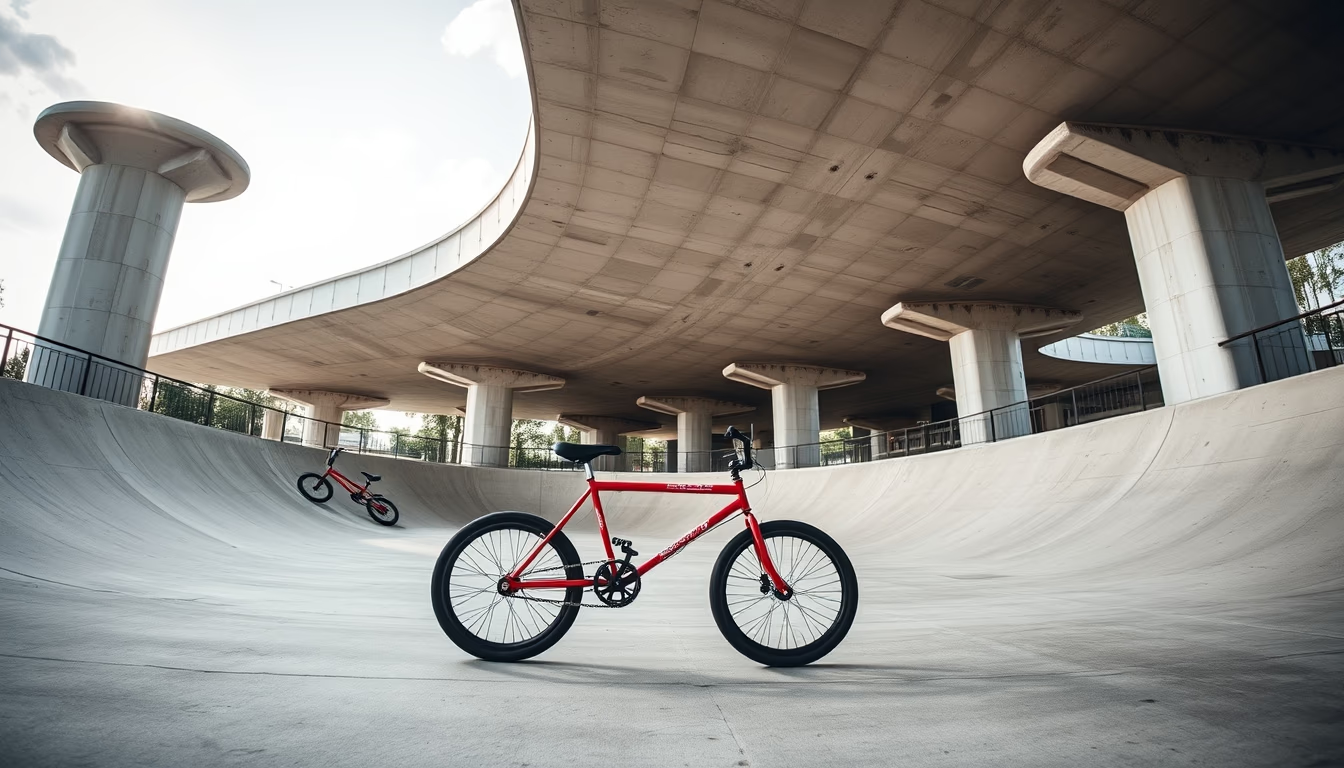
Bmx skatepark concrete
1344×768 · AVIF · CC BY 4.0
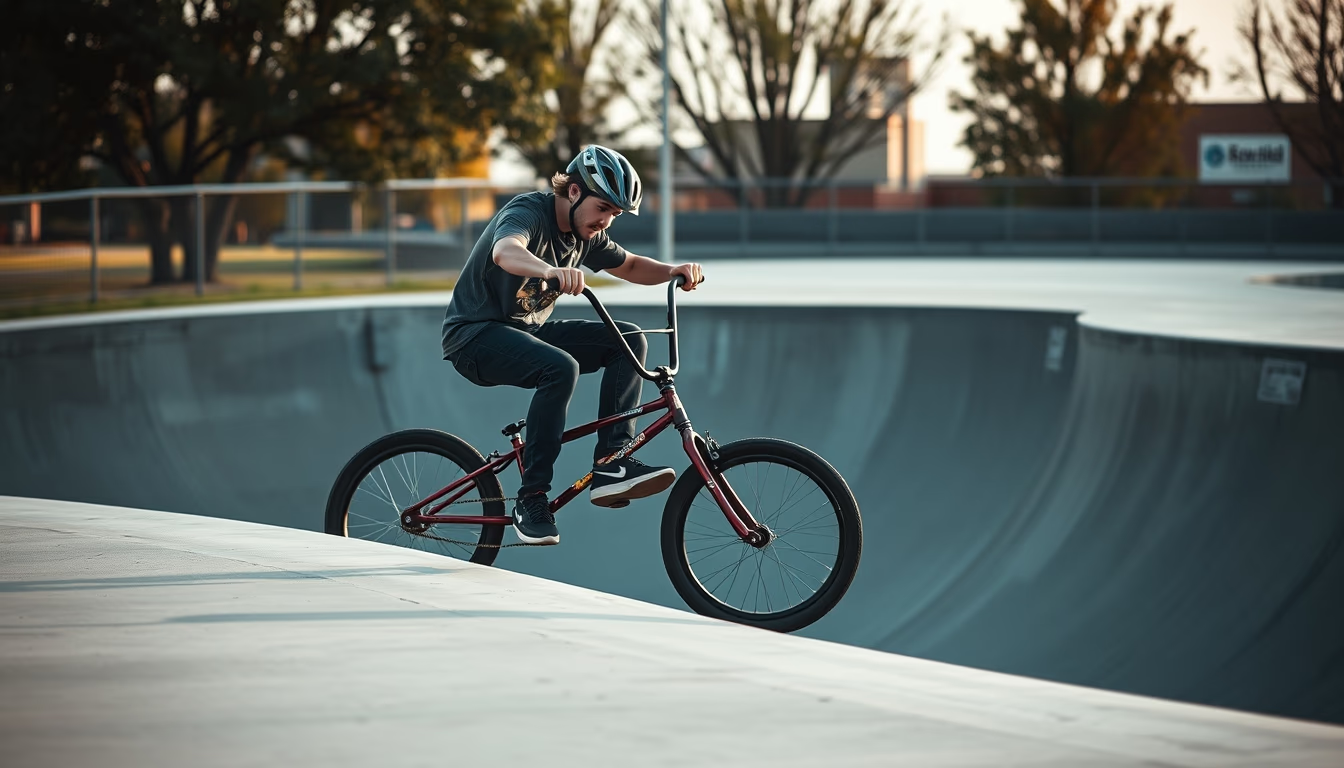
Concrete BMX skateparks combine durability and flow, serving as arenas for radical tricks and community gatherings in urban cycling culture.
About this subject
Concrete BMX skateparks are specially designed structures for acrobatic cycling, featuring smooth surfaces and gentle curves that allow high speed and aerial tricks. Unlike portable or wooden ramps, concrete offers thermal stability and weather resistance, making it the preferred material for permanent skateparks worldwide. The origin of these parks dates back to the 1970s, when the first concrete skateparks emerged in California, inspired by surfing and skateboarding. Over time, BMX adopted these spaces, evolving disciplines such as street and vert.
In Brazil, concrete is widely used in public and private park construction. Notable examples include Ibirapuera Skatepark in São Paulo and the BMX track in Curitiba, which host both amateur and professional athletes. The geometry of these parks is designed to create continuous flow: bowls, transitions, and rails are integrated into the layout, allowing seamless trick sequences. Beyond sports practice, these locations serve as gathering points for the urban cycling community and the movement culture.
An interesting fact is that maintenance of concrete parks requires specific care, such as regular cleaning to prevent dirt buildup and repair of cracks that may appear over time. However, their lifespan is much longer than other materials, potentially lasting decades without major renovations. Major competitions like the X Games and the UCI BMX Freestyle World Cup often use concrete parks in their stages, highlighting the importance of this infrastructure for the sport.
Frequently Asked Questions
What distinguishes a concrete BMX skatepark from other types of tracks?
Concrete offers a smoother and more durable surface with better impact absorption. This allows higher speeds and stability, ideal for BMX tricks that require precision and flow.
What are the main maintenance requirements for a concrete BMX skatepark?
Regular cleaning to remove debris, repair of cracks and fractures with specific materials, and preventing water accumulation to avoid wear. Periodic sealing helps extend lifespan.
Are there famous concrete BMX parks in Brazil?
Yes, Ibirapuera Skatepark in São Paulo and the BMX track in Curitiba are notable examples. Other cities like Rio de Janeiro and Belo Horizonte also have public parks that host national competitions and community events.
Direct URL
https://pub-c7d6a6ea828543ac903a74a341ccb2e1.r2.dev/imagens/bmx-skatepark-concrete-documentary-photography-fresh7.avifHow to credit
Include a visible link back to UtilizAí. Copy one of the snippets below:
<a href="https://xn--utiliza-eza.com/en/midia/imagens/bmx-skatepark-concrete-documentary-photography-fresh7">Bmx skatepark concrete</a> by <a href="https://xn--utiliza-eza.com">UtilizAí</a>, licensed under <a href="https://creativecommons.org/licenses/by/4.0/">CC BY 4.0</a>.
[Bmx skatepark concrete](https://xn--utiliza-eza.com/en/midia/imagens/bmx-skatepark-concrete-documentary-photography-fresh7) by [UtilizAí](https://xn--utiliza-eza.com), CC BY 4.0
License: CC-BY-4.0