Bmx skatepark concrete
1344×768 · AVIF · CC BY 4.0
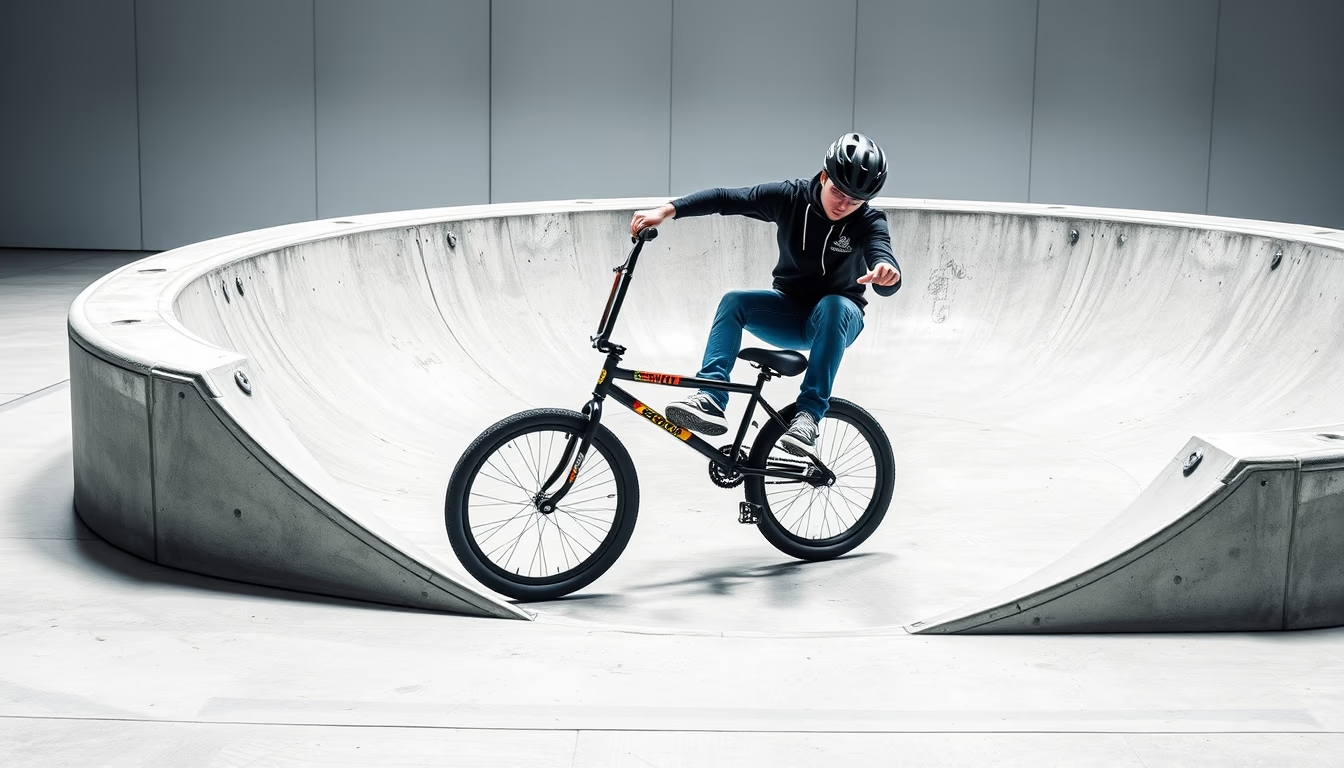
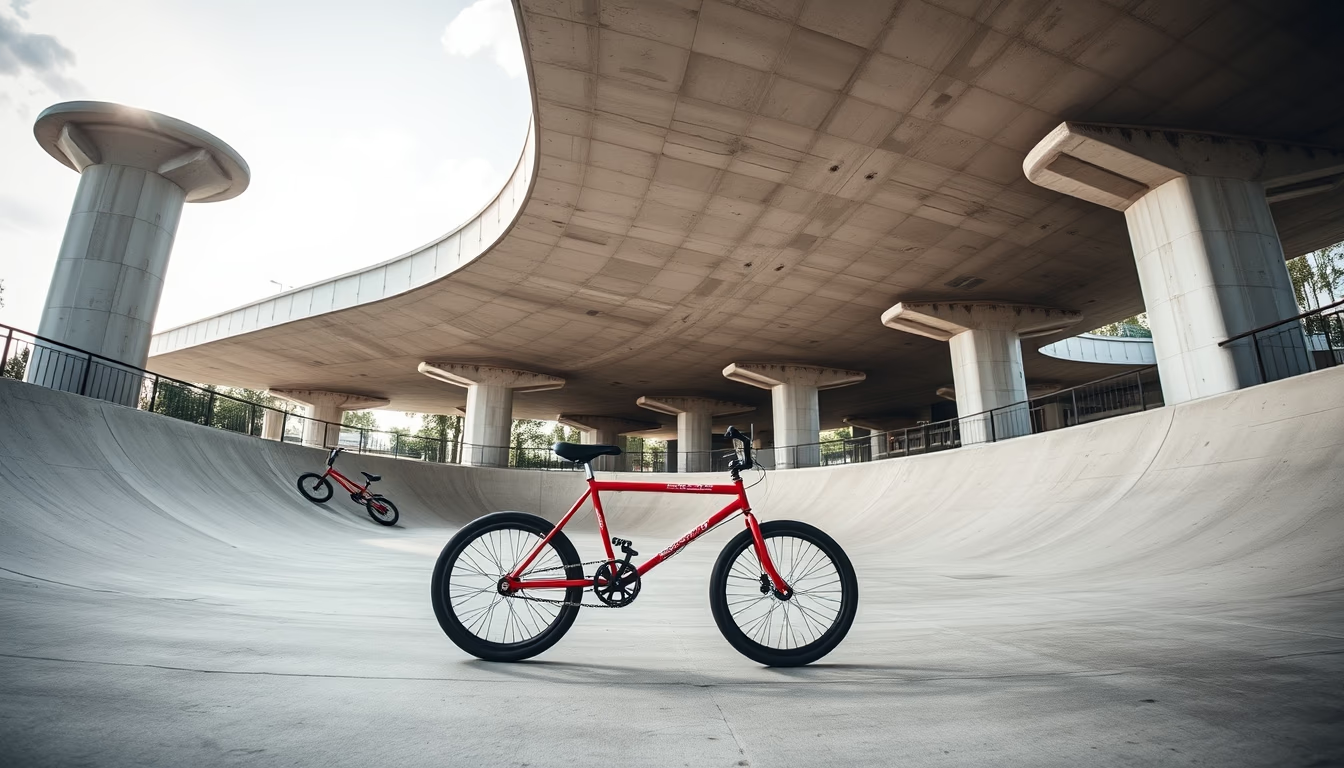
Concrete BMX skateparks provide smooth, durable surfaces that shape tricks and ensure rider safety, becoming a global standard in the sport.
About this subject
Concrete BMX skateparks are structures specifically designed for BMX cycling, a sport combining speed, aerial tricks, and balance. Unlike wooden or metal ramps, concrete offers a continuous, predictable surface that reduces irregular friction and allows smoother slides. This material is especially valued in urban parks and professional competitions, such as the UCI BMX Freestyle World Cup, where surface precision is critical for executing tricks like tailwhips and backflips.
In Brazil, the culture of BMX on concrete parks has grown significantly since the 2000s, driven by the construction of public skateparks in cities like São Paulo, Rio de Janeiro, and Curitiba. Many of these parks follow international standards, with bowls, quarter pipes, and spines that simulate urban obstacles. Reinforced concrete is preferred for its longevity: a well-maintained park can last decades with minimal upkeep, unlike wooden structures that degrade from moisture and sun exposure.
Historically, the first concrete BMX parks emerged in California in the 1970s, inspired by skateboarders' vert ramps. However, concrete became the standard in the 1990s with the rise of freestyle parks. Today, parks like Huntington Beach Skatepark and Tokyo's Olympic Park are global icons. Beyond durability, concrete allows varied textures: some areas are polished for higher speed, while others are slightly rougher for grip on curves.
Interestingly, designing a concrete BMX park requires precise calculations of slopes and curvatures, often using CAD software. Specialized engineers consider rider weight, average speed, and trick types. In Brazil, the Brazilian BMX Freestyle Association (ABBMX) promotes courses on park construction and maintenance, emphasizing safety and standardization. A notable fact: concrete parks can reduce accident risk by up to 40% compared to portable ramps, according to sports biomechanics studies.
Frequently Asked Questions
What are the main advantages of a concrete BMX park compared to other materials?
Concrete offers greater durability, a smooth and predictable surface, low maintenance, and reduced accident risk. Unlike wood, it does not rot or warp over time, and it allows adjustable textures for grip or speed.
How is maintenance carried out on a concrete BMX park?
Maintenance includes periodic cleaning to remove debris, crack repair with specific sealants, and occasional polishing of heavily worn areas. Annual inspections by engineers are recommended to ensure structural integrity.
Are there concrete BMX parks in Brazil that are international references?
Yes, the Deodoro Olympic Park in Rio de Janeiro has a concrete BMX Racing track that hosted the 2016 Olympic Games. Additionally, skateparks like those in São Bernardo do Campo and Curitiba are recognized for their quality and design.
Direct URL
https://pub-c7d6a6ea828543ac903a74a341ccb2e1.r2.dev/imagens/bmx-skatepark-concrete-commercial-product-photography-fresh15.avifHow to credit
Include a visible link back to UtilizAí. Copy one of the snippets below:
<a href="https://xn--utiliza-eza.com/en/midia/imagens/bmx-skatepark-concrete-commercial-product-photography-fresh15">Bmx skatepark concrete</a> by <a href="https://xn--utiliza-eza.com">UtilizAí</a>, licensed under <a href="https://creativecommons.org/licenses/by/4.0/">CC BY 4.0</a>.
[Bmx skatepark concrete](https://xn--utiliza-eza.com/en/midia/imagens/bmx-skatepark-concrete-commercial-product-photography-fresh15) by [UtilizAí](https://xn--utiliza-eza.com), CC BY 4.0
License: CC-BY-4.0