Blockchain network visualization glowing nodes connected by lines on dark background
1344×768 · AVIF · CC BY 4.0

Blockchain network visualization shows glowing nodes connected by lines on a dark background, representing the decentralized structure of digital transactions.
About this subject
Blockchain is a distributed ledger technology that stores data in blocks linked by cryptography. Each block contains a set of transactions and a hash of the previous block, forming an immutable chain. The visualization with glowing nodes and connection lines represents the peer-to-peer network topology, where each node is a computer maintaining a copy of the ledger. This structure ensures transparency and security, as any alteration would require consensus from the majority of nodes.
The technology gained prominence with Bitcoin, created in 2008 by Satoshi Nakamoto. Since then, it has evolved beyond cryptocurrencies into applications like smart contracts on Ethereum and supply chain tracking. The network is maintained by miners or validators who compete to add new blocks, earning token rewards. Decentralization eliminates intermediaries, reducing costs and increasing efficiency.
In Brazil, blockchain use has grown in sectors such as finance, agriculture, and healthcare. Companies like the Central Bank are exploring the Digital Real, a blockchain-based digital currency. The visualization of connected nodes symbolizes the global collaboration needed to maintain network integrity, with each node acting as an independent verification point. Scalability remains a challenge, with solutions like sharding and rollups under development.
Trivia: the first Bitcoin transaction occurred in 2009, when Satoshi Nakamoto sent 10 BTC to Hal Finney. Today, the Bitcoin network consumes energy comparable to countries like Argentina, sparking sustainability debates. Alternatives like Proof of Stake aim to reduce this impact.
Frequently Asked Questions
What is a node in a blockchain network?
A node is a computer that maintains a copy of the distributed ledger and participates in transaction validation. Each node contains the entire block history, ensuring network decentralization.
How does blockchain ensure transaction security?
Security comes from cryptography and consensus. Each block is linked to the previous one via a hash, and altering a block would require modifying all subsequent ones, which is unfeasible without majority control.
What are the applications of blockchain beyond cryptocurrencies?
Blockchain is used in smart contracts, supply chain tracking, electronic voting, digital identity, and healthcare systems for secure data sharing.
Direct URL
https://pub-c7d6a6ea828543ac903a74a341ccb2e1.r2.dev/imagens/blockchain-network-visualization-glowing-nodes-connected-by-lines-on-dark-backgr-editorial-portrait-golden-hour-late-afternoon.avifHow to credit
Include a visible link back to UtilizAí. Copy one of the snippets below:
<a href="https://xn--utiliza-eza.com/en/midia/imagens/blockchain-network-visualization-glowing-nodes-connected-by-lines-on-dark-backgr-editorial-portrait-golden-hour-late-afternoon">Blockchain network visualization glowing nodes connected by lines on dark background</a> by <a href="https://xn--utiliza-eza.com">UtilizAí</a>, licensed under <a href="https://creativecommons.org/licenses/by/4.0/">CC BY 4.0</a>.
[Blockchain network visualization glowing nodes connected by lines on dark background](https://xn--utiliza-eza.com/en/midia/imagens/blockchain-network-visualization-glowing-nodes-connected-by-lines-on-dark-backgr-editorial-portrait-golden-hour-late-afternoon) by [UtilizAí](https://xn--utiliza-eza.com), CC BY 4.0
License: CC-BY-4.0
Tags
Related images
 Smart contract code on monitor with solidity syntax highlighted
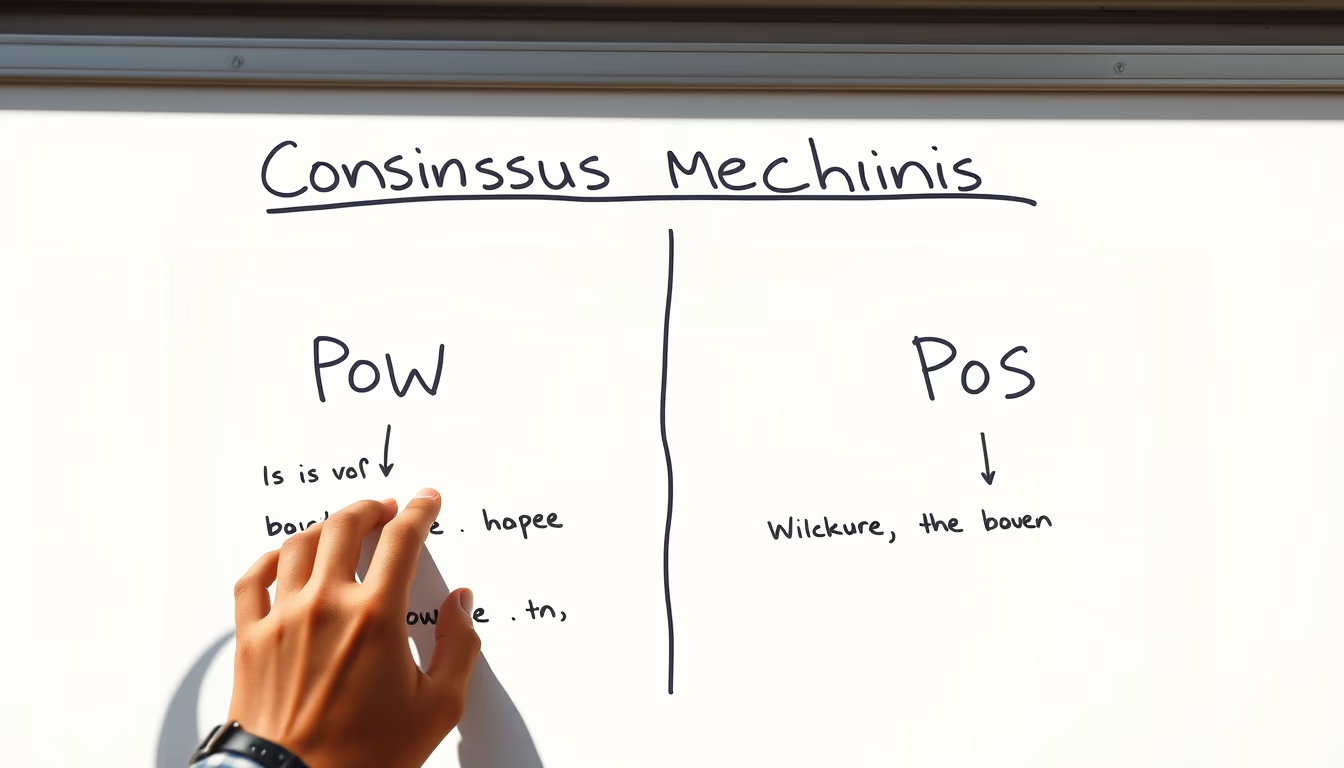 Consensus mechanism diagram on whiteboard showing PoW vs PoS
 Distributed ledger multiple servers in data center
 Hash function visualization cryptographic equations on glass screen
 Hash function visualization cryptographic equations on glass screen
 Hash function visualization cryptographic equations on glass screen