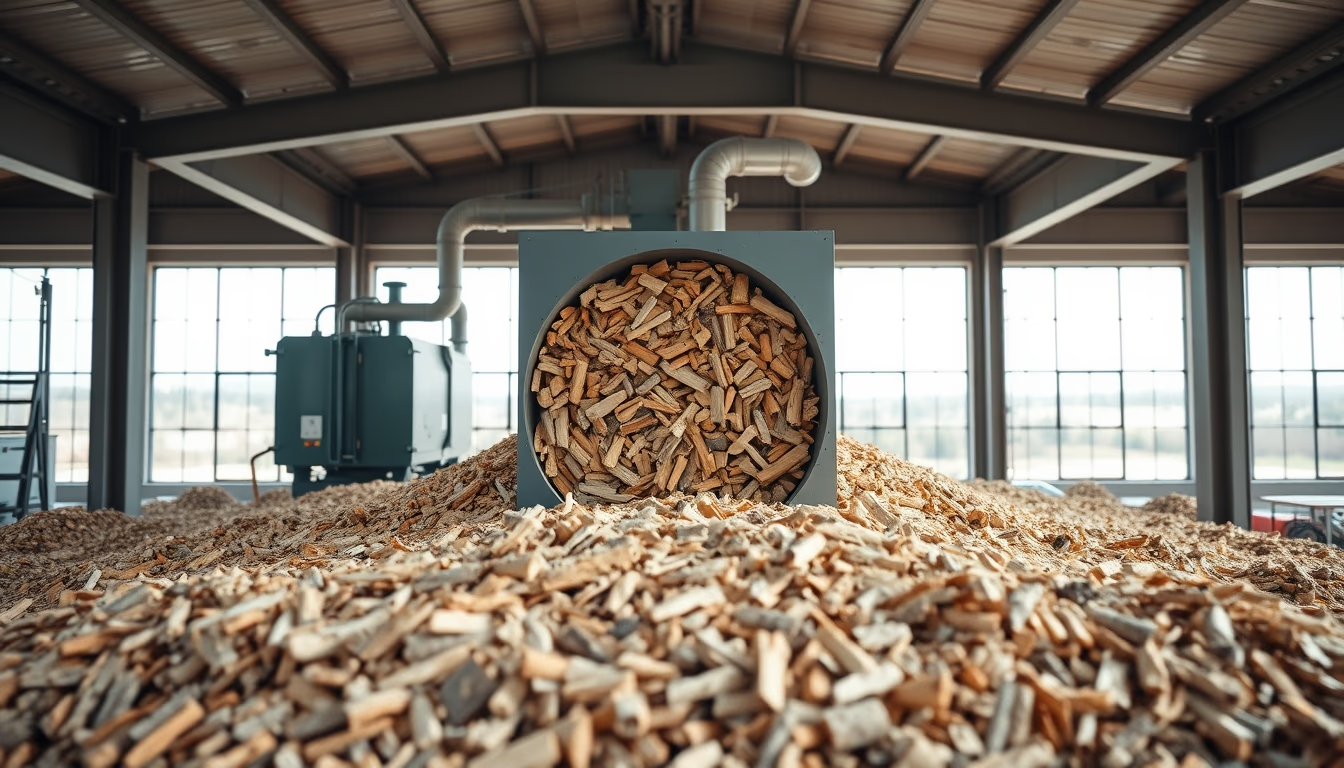
Biomass plant wood chips
1344×768 · AVIF · CC BY 4.0

Wood chips are lignocellulosic biomass used in thermal power plants to generate renewable electricity through controlled combustion.
About this subject
Wood chips are one of the most common forms of solid biomass used for renewable energy generation. Produced from forestry residues such as branches, bark, and sawdust, or from short-rotation plantation wood (eucalyptus, pine), these fragments are mechanically chipped to standardized sizes, typically between 1 and 5 centimeters. The processing includes drying and particle size classification to ensure combustion efficiency.
In biomass thermal power plants, the wood chips are burned in dedicated boilers to produce steam that drives turbines coupled to electric generators. In Brazil, the use of wood chips has grown in cogeneration plants within the sugarcane industry and in pulp and paper mills, which utilize their own waste. Energy efficiency can reach 30% in dedicated plants, with significant greenhouse gas emission reductions compared to fossil fuels.
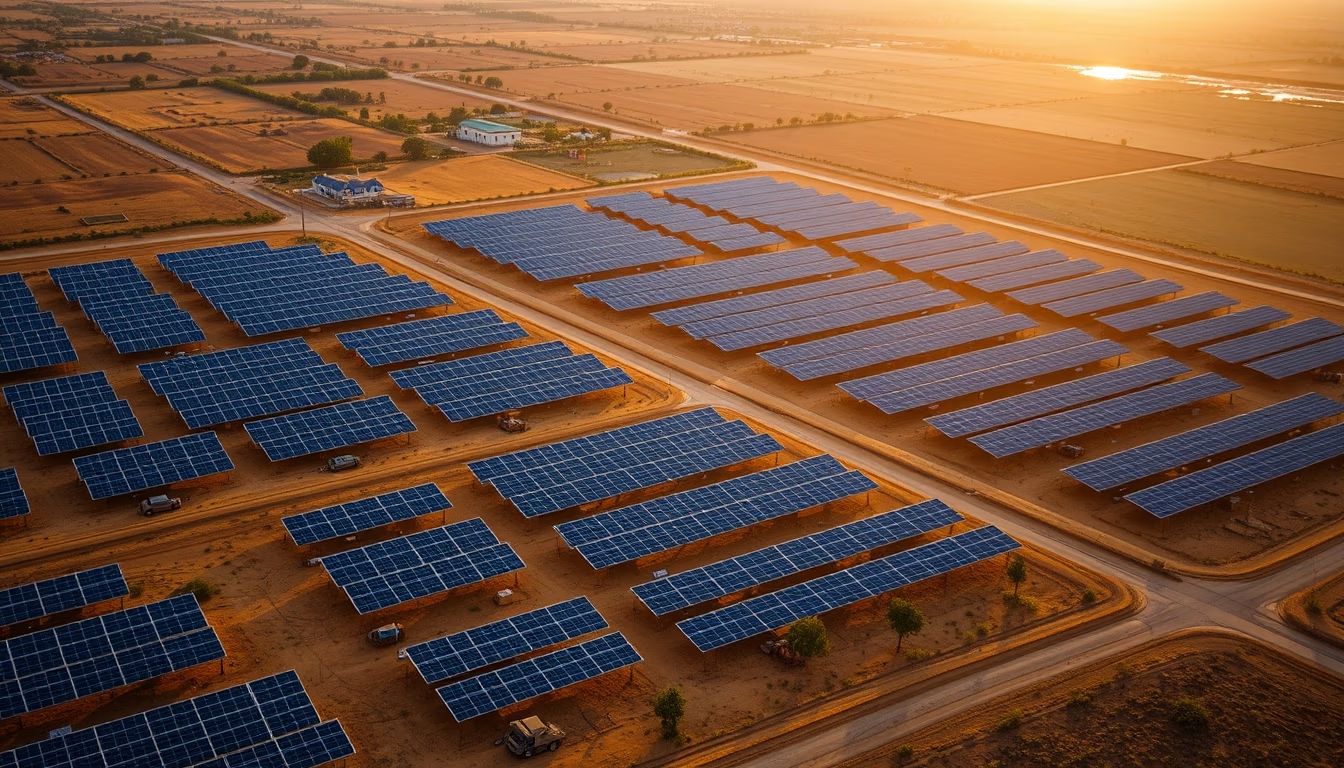
From an environmental perspective, sustainability depends on the feedstock source: chips from planted forests or certified residues have low embodied carbon, while extraction from native forests may cause negative impacts. Standards such as FSC certification and renewable biomass labels help ensure traceability. In 2024, Brazil's installed biomass capacity surpassed 14 GW, with expansion prospects to meet firm and dispatchable energy demands, complementing intermittent sources like solar and wind.
Frequently Asked Questions
What are the main advantages of wood chips as fuel?
Advantages include being a renewable source, low cost when derived from residues, carbon neutrality (if sustainably managed), and local availability, reducing dependence on fossil fuels.
Can wood chips compete with other biomass like sugarcane bagasse?
Yes, although bagasse is more common in Brazil, wood chips have higher calorific value per volume and can be transported long distances, making them an option for regions without sugarcane.
Is there a risk of deforestation from wood chip production?
Yes, if the feedstock comes from unmanaged native forests. Therefore, certifications and traceability policies are essential to ensure only residues or planted forests are used.
Direct URL
https://pub-c7d6a6ea828543ac903a74a341ccb2e1.r2.dev/imagens/biomass-plant-wood-chips-high-fashion-editorial-p4.avifHow to credit
Include a visible link back to UtilizAí. Copy one of the snippets below:
<a href="https://xn--utiliza-eza.com/en/midia/imagens/biomass-plant-wood-chips-high-fashion-editorial-p4">Biomass plant wood chips</a> by <a href="https://xn--utiliza-eza.com">UtilizAí</a>, licensed under <a href="https://creativecommons.org/licenses/by/4.0/">CC BY 4.0</a>.
[Biomass plant wood chips](https://xn--utiliza-eza.com/en/midia/imagens/biomass-plant-wood-chips-high-fashion-editorial-p4) by [UtilizAí](https://xn--utiliza-eza.com), CC BY 4.0
License: CC-BY-4.0