Biomass plant wood chips
1344×768 · AVIF · CC BY 4.0
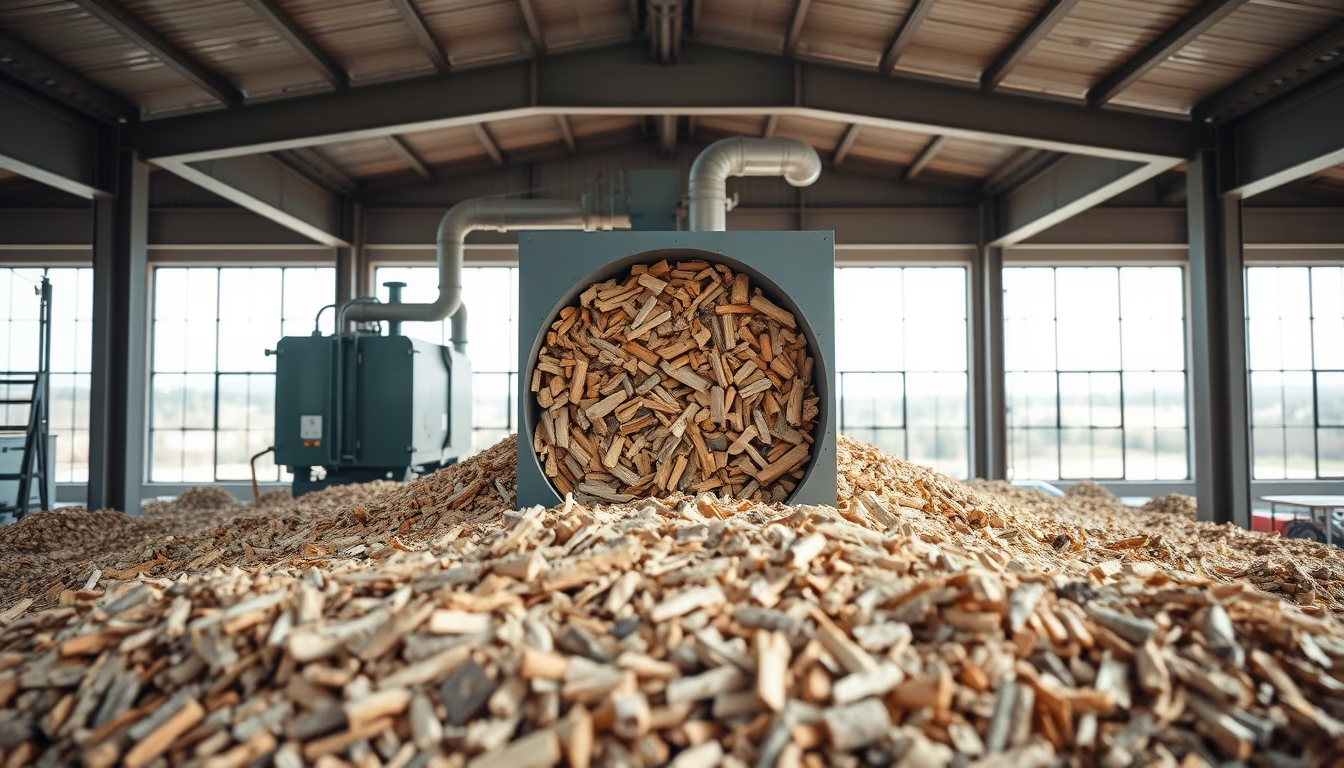
Biomass plant uses wood chips as renewable fuel for electricity and heat generation, reducing carbon emissions.
About this subject
A biomass plant that operates with wood chips converts forestry and sawmill residues into energy. The chips come from branches, bark, and low-grade wood that would otherwise be discarded or left to decompose. In Brazil, forest-based biomass is less common than sugarcane bagasse, but it is gaining ground in regions with pulp and furniture industries. Globally, countries like Sweden, Finland, and Canada lead the use of wood chips for district heating and cogeneration.
Technically, these plants employ technologies such as fluidized bed combustion or gasification, which maximize energy efficiency and reduce emissions. Typical architectural designs include storage silos, enclosed belt conveyors, and high-pressure boilers, integrated into compact layouts to minimize land footprint. The industrial aesthetic often features metal cladding and exposed structures, reflecting functionality and robustness.
Sustainability depends on responsible forest management practices and local supply chains. Studies indicate that burning wood chips can be carbon-neutral if the biomass comes from planted forests or residues that would otherwise decompose releasing methane. However, competition with other wood uses (such as panels and paper) and long-distance transportation can reduce environmental benefits. Therefore, well-designed plants prioritize regional sources and certifications like FSC.
Frequently Asked Questions
How are wood chips obtained?
Wood chips are produced from forestry residues (branches, bark, low-quality trees) and sawmill waste (slabs, trimmings). They are chipped by industrial chippers and sorted by size before being transported to the plant.
What is the efficiency of a biomass plant?
Typical electrical efficiency of a wood chip plant ranges from 20% to 35%, depending on technology. In cogeneration (heat and electricity), overall efficiency can exceed 80%, common in district heating systems.
Is biomass from wood chips truly sustainable?
Yes, provided the biomass comes from certified renewable sources (e.g., planted forests) and local transport. Burning residues that would otherwise decompose releasing methane can be carbon-neutral, but land competition and water use must be monitored.
Direct URL
https://pub-c7d6a6ea828543ac903a74a341ccb2e1.r2.dev/imagens/biomass-plant-wood-chips-architectural-photography-p5.avifHow to credit
Include a visible link back to UtilizAí. Copy one of the snippets below:
<a href="https://xn--utiliza-eza.com/en/midia/imagens/biomass-plant-wood-chips-architectural-photography-p5">Biomass plant wood chips</a> by <a href="https://xn--utiliza-eza.com">UtilizAí</a>, licensed under <a href="https://creativecommons.org/licenses/by/4.0/">CC BY 4.0</a>.
[Biomass plant wood chips](https://xn--utiliza-eza.com/en/midia/imagens/biomass-plant-wood-chips-architectural-photography-p5) by [UtilizAí](https://xn--utiliza-eza.com), CC BY 4.0
License: CC-BY-4.0