Basalt columnar formations
1344×768 · AVIF · CC BY 4.0

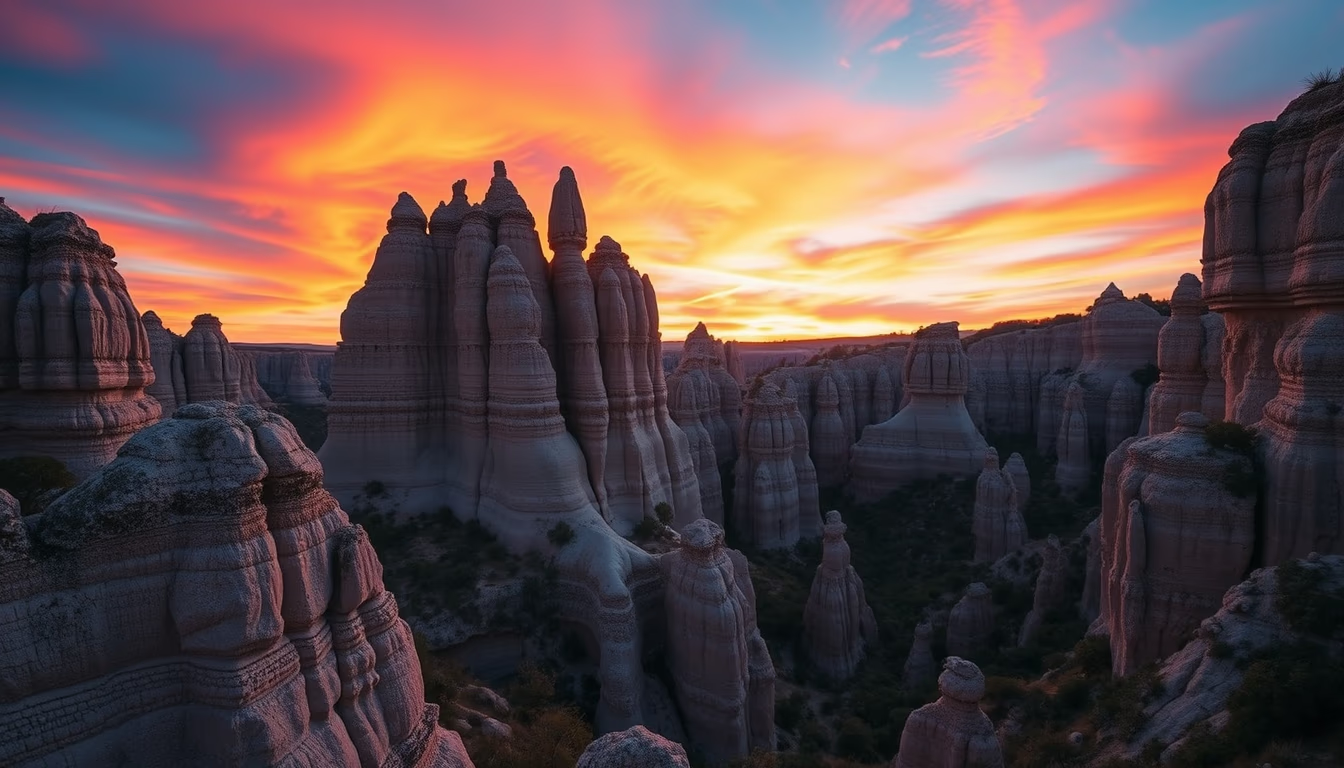
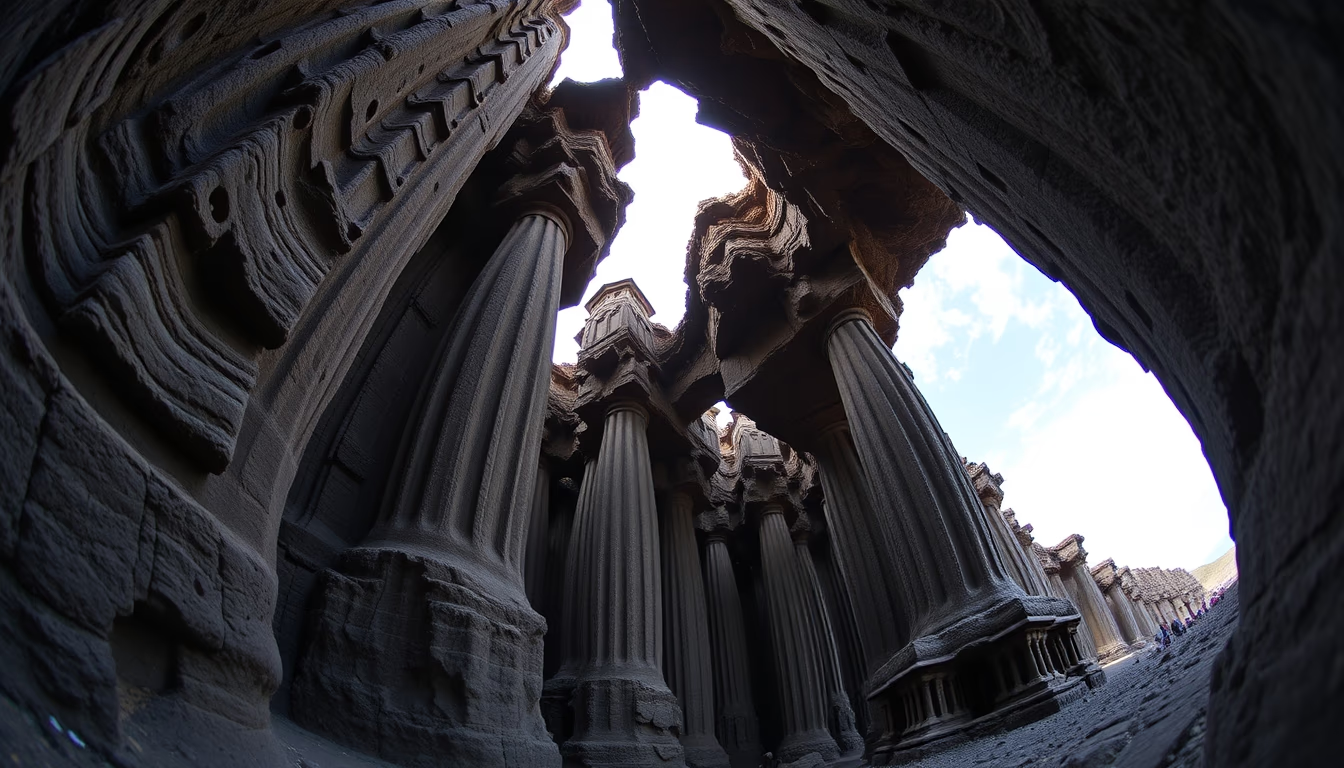
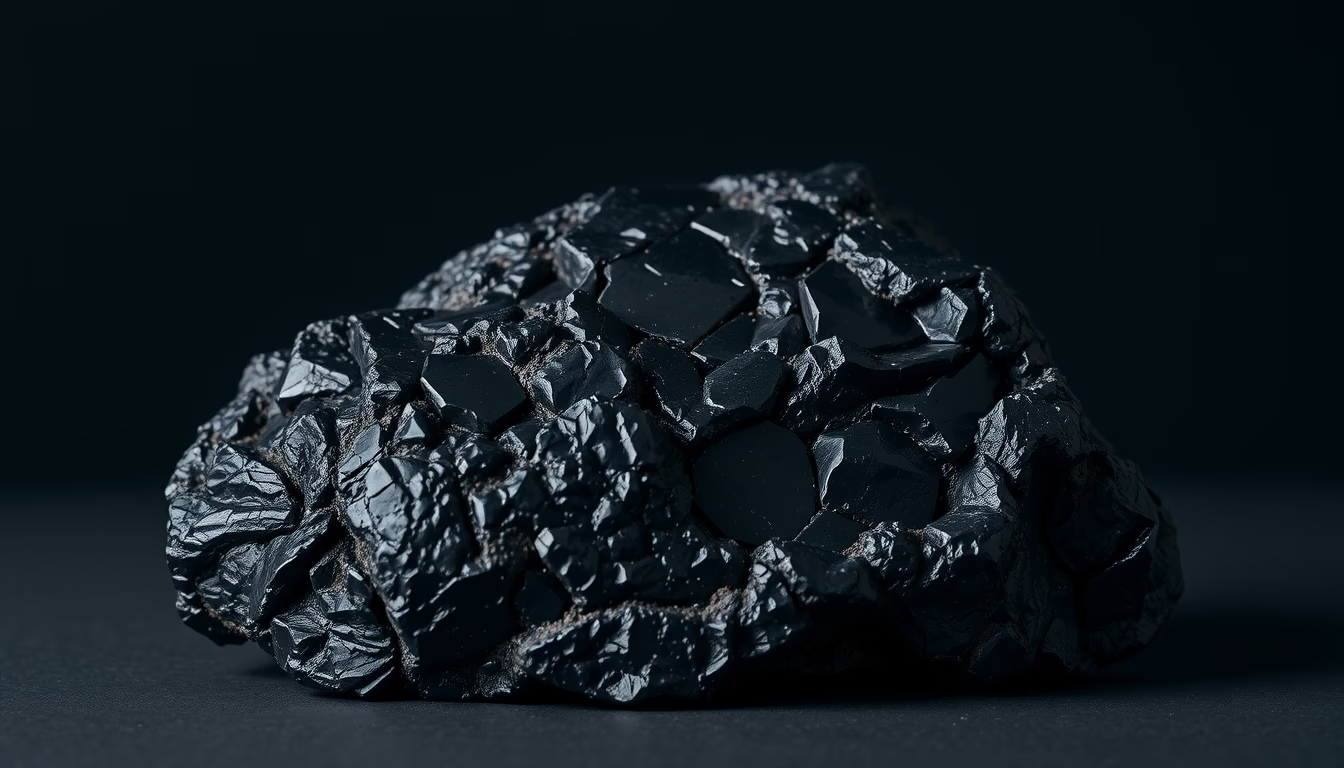
Basalt columnar formations are impressive geological structures formed by the cooling of basaltic lava, creating regular hexagonal columns.
About this subject
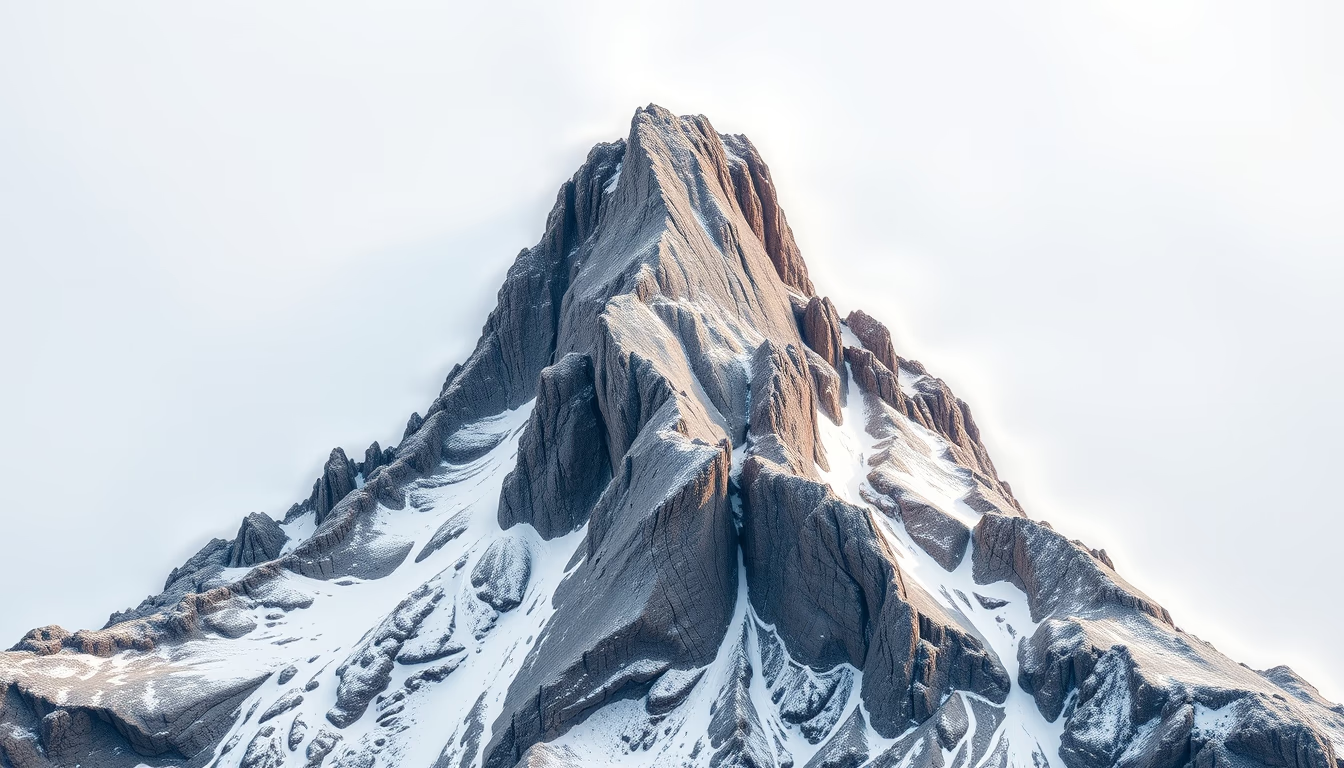
Basalt columnar formations arise when basaltic lava cools and contracts uniformly, creating fractures that often result in hexagonal columns. This process occurs in thick lava flows found in volcanic regions. World-famous examples include the Giant's Causeway in Northern Ireland, a UNESCO World Heritage Site, and Devil's Tower in Wyoming, USA, a 386-meter-high monolith. In Brazil, they can be seen at places like Sete Cidades National Park in Piauí and the Serra Geral in Rio Grande do Sul. These columns range in diameter from a few centimeters to several meters, depending on cooling rates and lava composition. Geological studies indicate most formations are between 60 and 80 million years old, linked to intense volcanic events. The natural symmetry of the columns inspired legends across cultures: Irish mythology attributes the Giant's Causeway to a passage built by the giant Finn McCool, while Native American peoples regard Devil's Tower as a sacred site. Beyond scientific value, these formations are popular tourist destinations for hiking, climbing, and photography. The lunar landscape of some basalt regions is believed to have inspired sci-fi movie backdrops. Preserving these sites is crucial for studying Earth's geological history and other planets, as similar structures have been identified on Mars by rovers.
Frequently Asked Questions
How are basalt columns formed?
They form when basaltic lava cools and contracts, creating fractures that typically produce hexagonal columns. This process requires slow, uniform cooling in thick lava flows.
Where can I see columnar basalt formations in Brazil?
In Brazil, notable sites include Sete Cidades National Park (Piauí) and the Serra Geral region (Rio Grande do Sul), along with other areas with ancient volcanism.
How old are these formations typically?
Most columnar basalt formations are between 60 and 80 million years old, associated with volcanism during the Cretaceous period.
Direct URL
https://pub-c7d6a6ea828543ac903a74a341ccb2e1.r2.dev/imagens/basalt-columnar-formations-studio-editorial-portrait-fresh3.avifHow to credit
Include a visible link back to UtilizAí. Copy one of the snippets below:
<a href="https://xn--utiliza-eza.com/en/midia/imagens/basalt-columnar-formations-studio-editorial-portrait-fresh3">Basalt columnar formations</a> by <a href="https://xn--utiliza-eza.com">UtilizAí</a>, licensed under <a href="https://creativecommons.org/licenses/by/4.0/">CC BY 4.0</a>.
[Basalt columnar formations](https://xn--utiliza-eza.com/en/midia/imagens/basalt-columnar-formations-studio-editorial-portrait-fresh3) by [UtilizAí](https://xn--utiliza-eza.com), CC BY 4.0
License: CC-BY-4.0