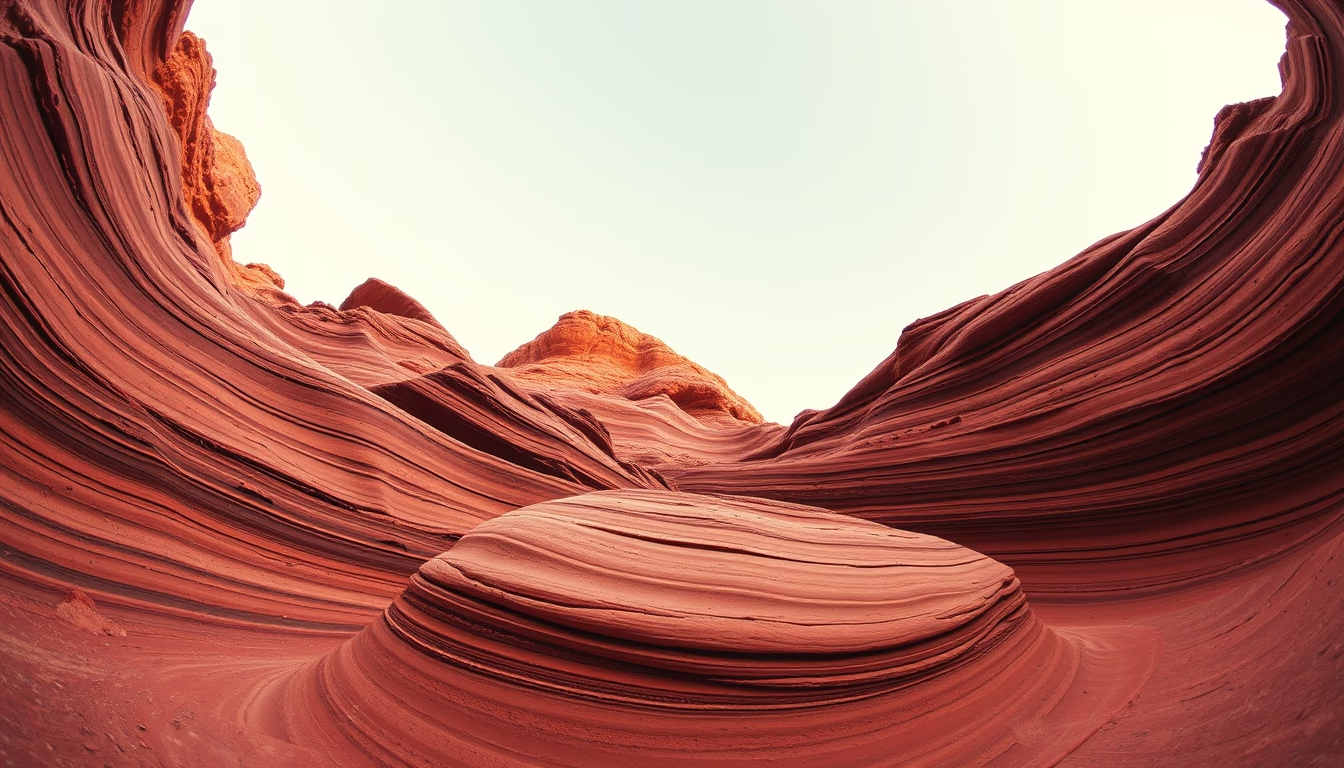
Basalt columnar formations
1344×768 · AVIF · CC BY 4.0
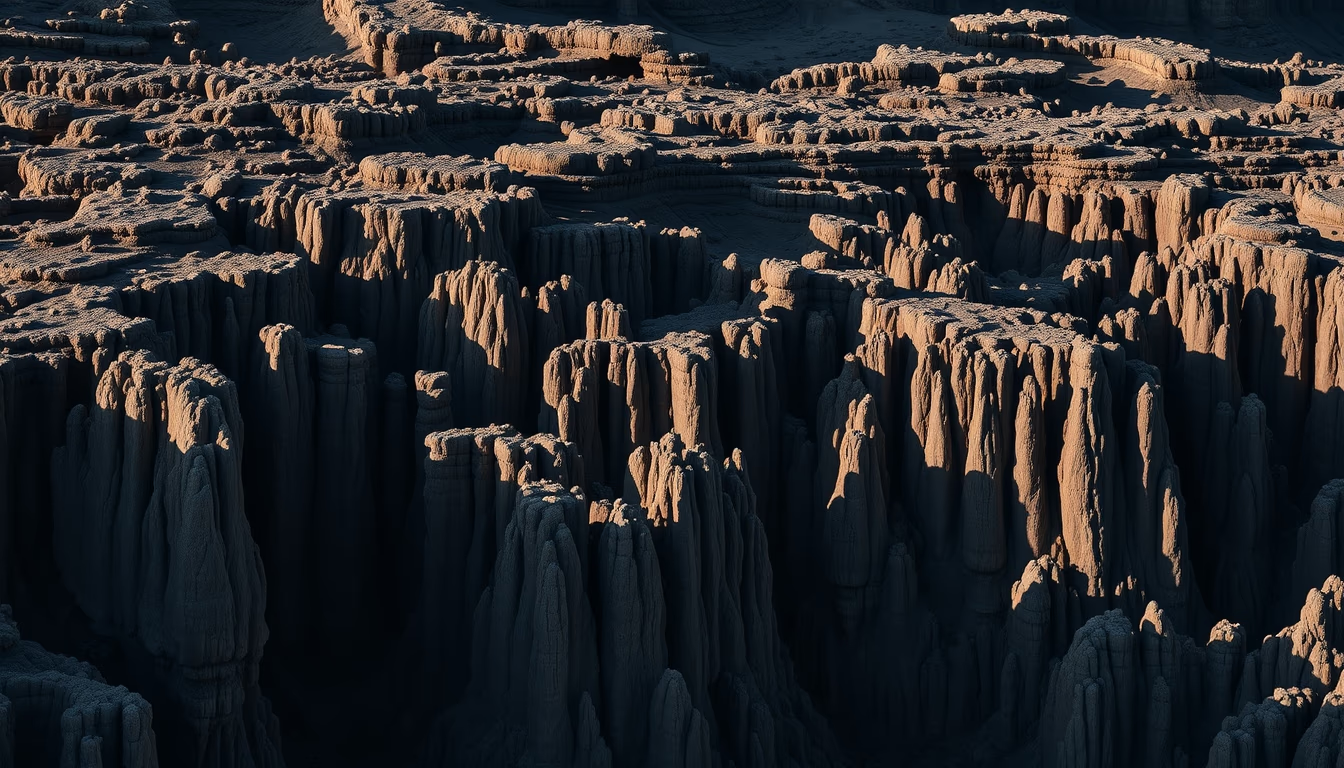
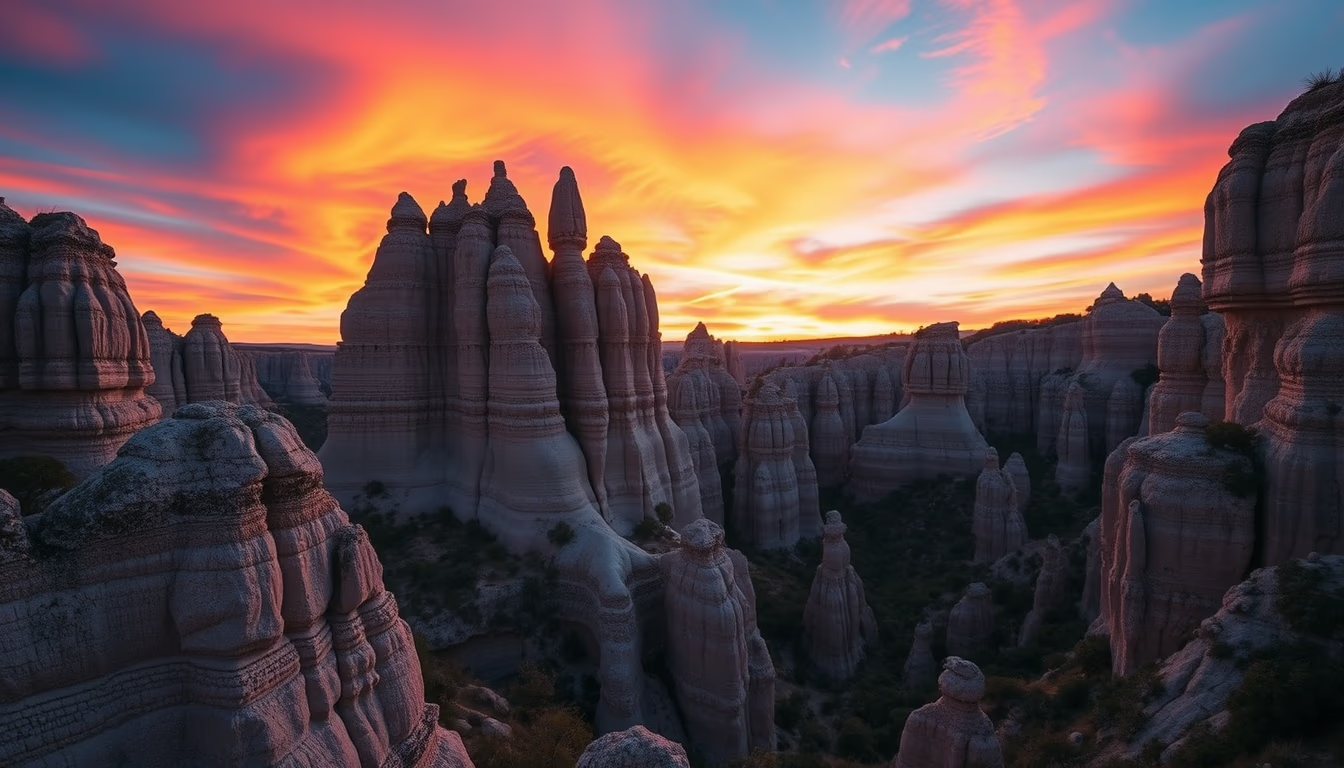
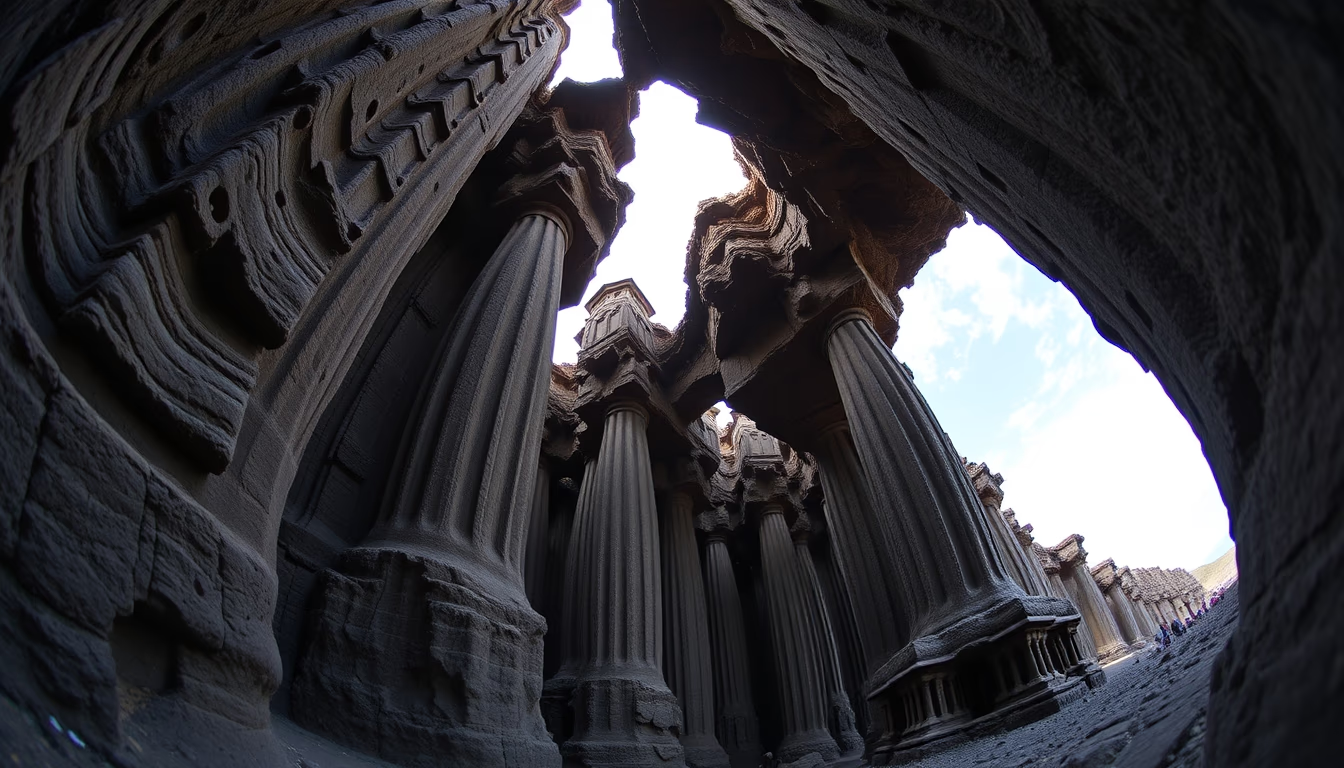
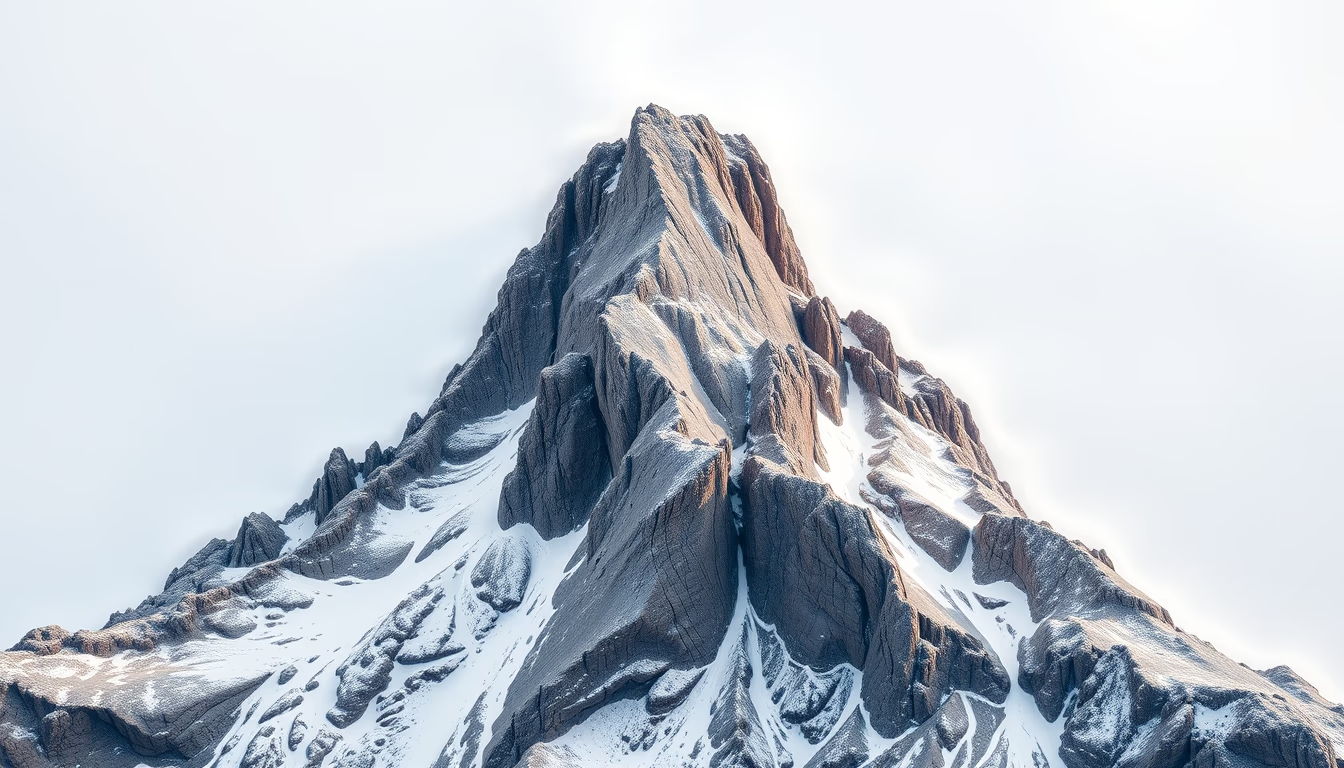
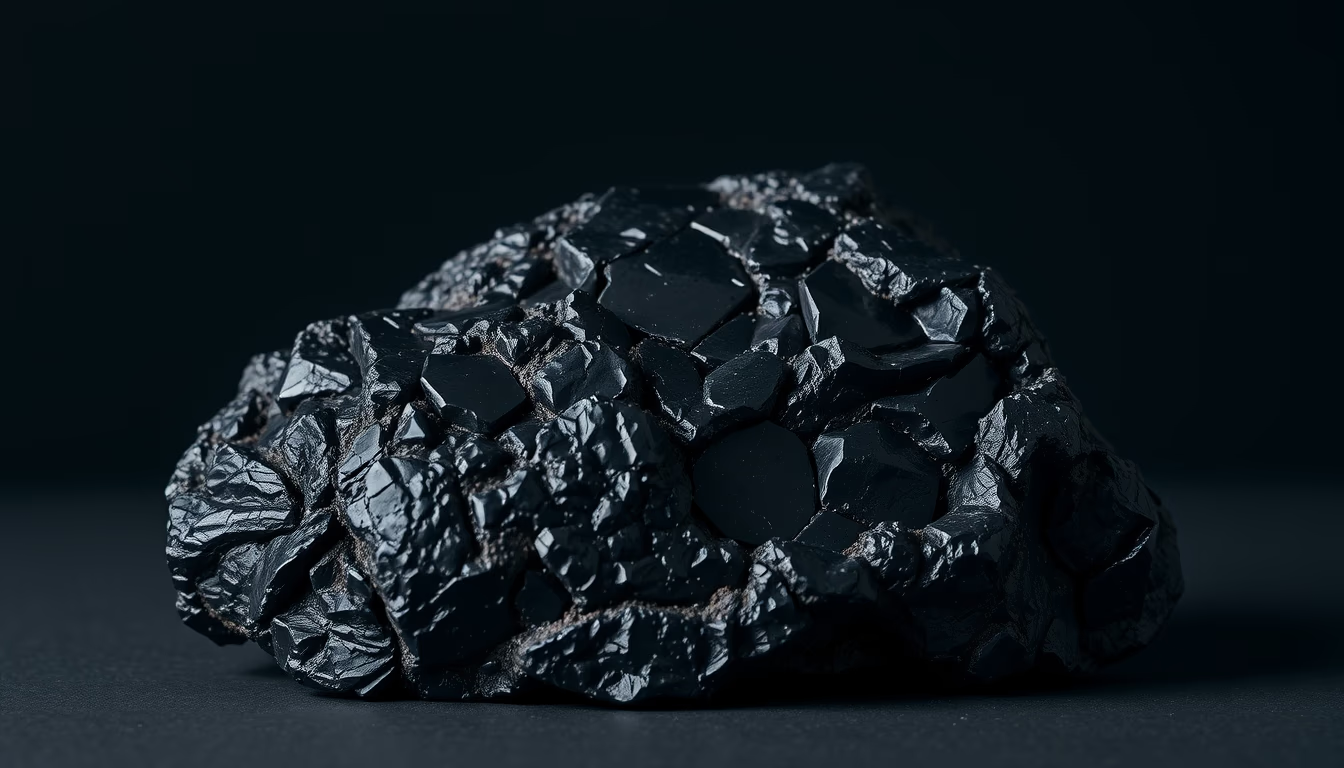
Basalt columnar formations are striking geological structures created by the rapid cooling of volcanic lava, resulting in hexagonal pillars that can reach tens of meters in height.
About this subject
Basalt columnar formations originate from the cooling and contraction of large basalt lava flows. When lava cools uniformly, contraction joints create polyhedral fractures, predominantly hexagonal, forming regular columns. This process is similar to mud cracking but on a giant scale with rock material.
In Brazil, these structures are found mainly in the Paraná Basin, where massive volcanic eruptions occurred during the Cretaceous period. Notable examples include the basalt columns of Sete Cidades State Park in Piauí and formations in the Serra Geral region of Rio Grande do Sul, Santa Catarina, and Paraná. In these areas, columns can reach over 30 meters in height, creating impressive landscapes that attract geologists and tourists.
Internationally, the Giant's Causeway in Northern Ireland is the most famous example, with thousands of interlocking columns. Another iconic site is Devil's Tower in Wyoming, USA, which shows massive vertical columns. These formations not only captivate aesthetically but also reveal information about Earth's volcanic history and cooling processes.
Besides scientific interest, basalt columns have practical uses. Their regular shape allows them to be used as paving stones and in construction, such as in the ancient sidewalks of Makassar, Indonesia. However, extraction requires care to preserve natural formations, often protected by environmental laws.
Frequently Asked Questions
How do basalt columns form?
Basalt columns form when a thick layer of basaltic lava cools slowly and uniformly. Thermal contraction generates stresses that create polyhedral fractures, typically hexagonal, which propagate vertically, resulting in columnar pillars.
Where can basalt columnar formations be found in Brazil?
In Brazil, the most famous formations are in the Paraná Basin, especially in the states of Rio Grande do Sul, Santa Catarina, Paraná, and Piauí. Examples include Sete Cidades State Park (PI) and the Serra Geral region.
What is the average height of basalt columns?
Height varies greatly by location, but many columns reach between 10 and 30 meters. In some cases, like the Giant's Causeway, columns can be up to 12 meters tall, while at Devil's Tower they exceed 80 meters.
Direct URL
https://pub-c7d6a6ea828543ac903a74a341ccb2e1.r2.dev/imagens/basalt-columnar-formations-rembrandt-lighting-dramatic-shadows-fresh0.avifHow to credit
Include a visible link back to UtilizAí. Copy one of the snippets below:
<a href="https://xn--utiliza-eza.com/en/midia/imagens/basalt-columnar-formations-rembrandt-lighting-dramatic-shadows-fresh0">Basalt columnar formations</a> by <a href="https://xn--utiliza-eza.com">UtilizAí</a>, licensed under <a href="https://creativecommons.org/licenses/by/4.0/">CC BY 4.0</a>.
[Basalt columnar formations](https://xn--utiliza-eza.com/en/midia/imagens/basalt-columnar-formations-rembrandt-lighting-dramatic-shadows-fresh0) by [UtilizAí](https://xn--utiliza-eza.com), CC BY 4.0
License: CC-BY-4.0