Baklava layered honey
1344×768 · AVIF · CC BY 4.0
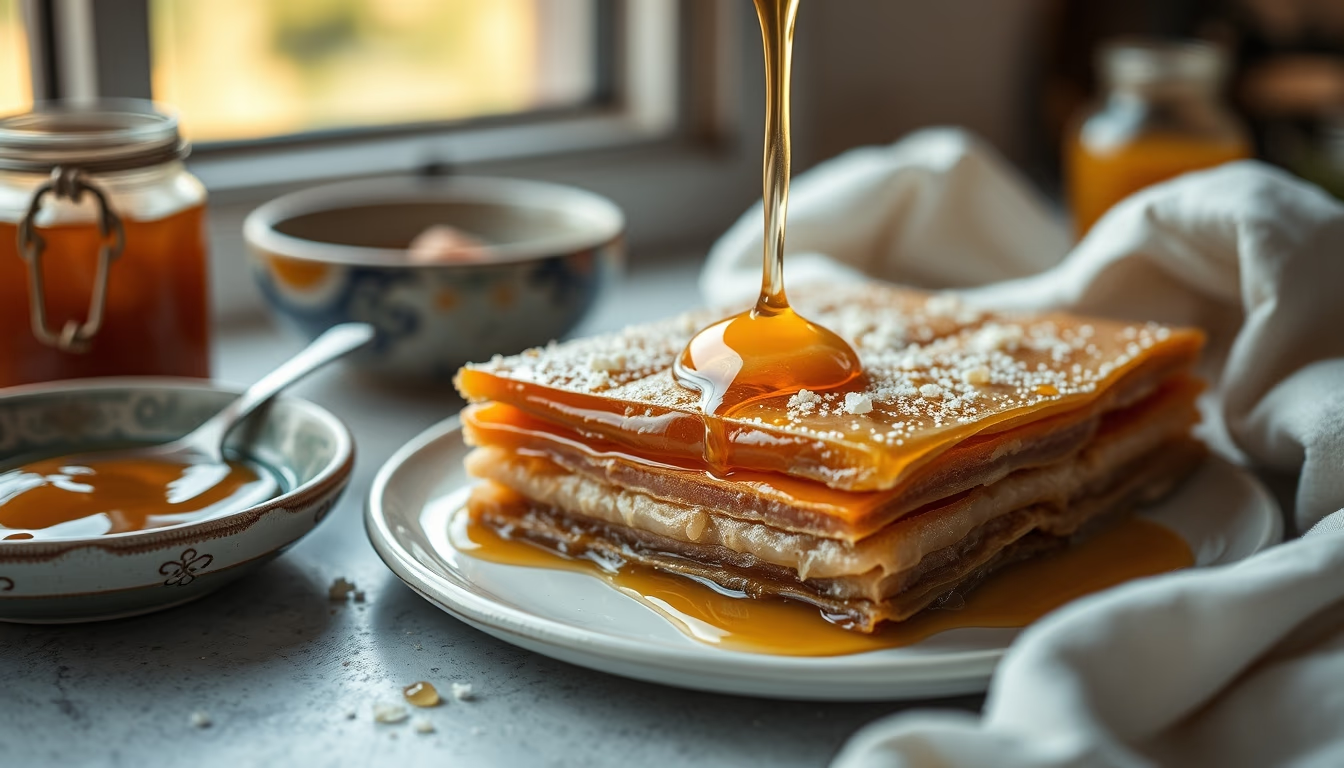
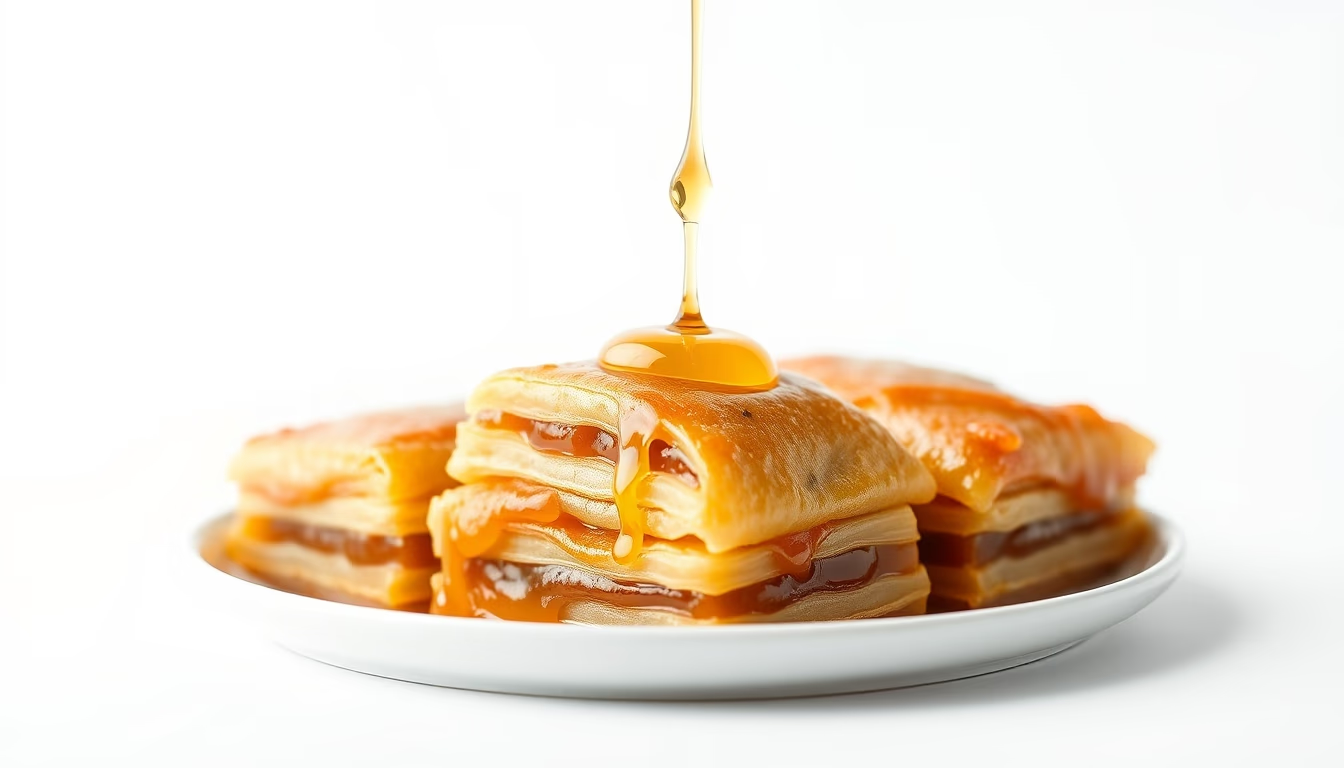
Baklava is a layered pastry dessert of Ottoman origin, known for its thin phyllo dough sheets filled with nuts and sweetened with honey or syrup.
About this subject
Baklava is one of the most iconic desserts in Middle Eastern, Balkan, and South Asian cuisines. Its origins trace back to the Ottoman Empire, though similar recipes existed in ancient Mesopotamia. The modern version was refined in the kitchens of Ottoman palaces, especially in Istanbul, during the 15th century. Traditional preparation involves successive layers of phyllo dough, a thin hand-stretched pastry, interspersed with a mixture of crushed nuts such as pistachios, walnuts, or almonds. After baking, the dessert is drenched in a hot syrup made from honey, sugar, and rose or orange blossom water, which seeps into the layers, leaving the pastry moist and aromatic.
There are many regional variations. In Turkey, pistachio baklava from Gaziantep is famous and protected by geographical indication. In Greece, walnuts and honey are common, with cinnamon and cloves. In Lebanon and Syria, rose water is added, and sometimes cream or cheese. Baklava is also popular in Iran, where it is called 'baghlava', and in Balkan countries like Bosnia and Albania, where the pastry may be thicker. Regardless of the version, honey plays a central role, not only as a sweetener but also as a natural preservative, helping to keep baklava fresh for days.
Baklava consumption is associated with festivities and celebrations. During Ramadan, it is served to break the fast. In Greek Easter, it is a typical dessert. At weddings and religious holidays, baklava symbolizes hospitality and generosity. The process of making baklava is an art requiring patience and skill. Each phyllo layer must be brushed with clarified butter to ensure a crispy and golden texture. The balance between the sweetness of the syrup and the flavor of the nuts is crucial. Although it is a calorie-rich delicacy, its popularity transcends diets, being enjoyed worldwide.
Frequently Asked Questions
What is the origin of baklava?
The origin of baklava is disputed, but the modern version was developed in the Ottoman Empire, especially in the palaces of Istanbul, in the 15th century. Similar desserts existed in ancient Mesopotamia.
Which nuts are most commonly used in baklava?
The most common nuts are pistachios, walnuts, and almonds. The choice varies by region: pistachios dominate in Turkey, walnuts in Greece.
Is baklava vegan?
Traditionally not, because phyllo dough contains eggs and clarified butter is used between layers. Vegan versions exist that substitute these ingredients, but they are not the classic preparation.
Direct URL
https://pub-c7d6a6ea828543ac903a74a341ccb2e1.r2.dev/imagens/baklava-layered-honey-documentary-photography-fresh9.avifHow to credit
Include a visible link back to UtilizAí. Copy one of the snippets below:
<a href="https://xn--utiliza-eza.com/en/midia/imagens/baklava-layered-honey-documentary-photography-fresh9">Baklava layered honey</a> by <a href="https://xn--utiliza-eza.com">UtilizAí</a>, licensed under <a href="https://creativecommons.org/licenses/by/4.0/">CC BY 4.0</a>.
[Baklava layered honey](https://xn--utiliza-eza.com/en/midia/imagens/baklava-layered-honey-documentary-photography-fresh9) by [UtilizAí](https://xn--utiliza-eza.com), CC BY 4.0
License: CC-BY-4.0