Baklava layered honey
1344×768 · AVIF · CC BY 4.0
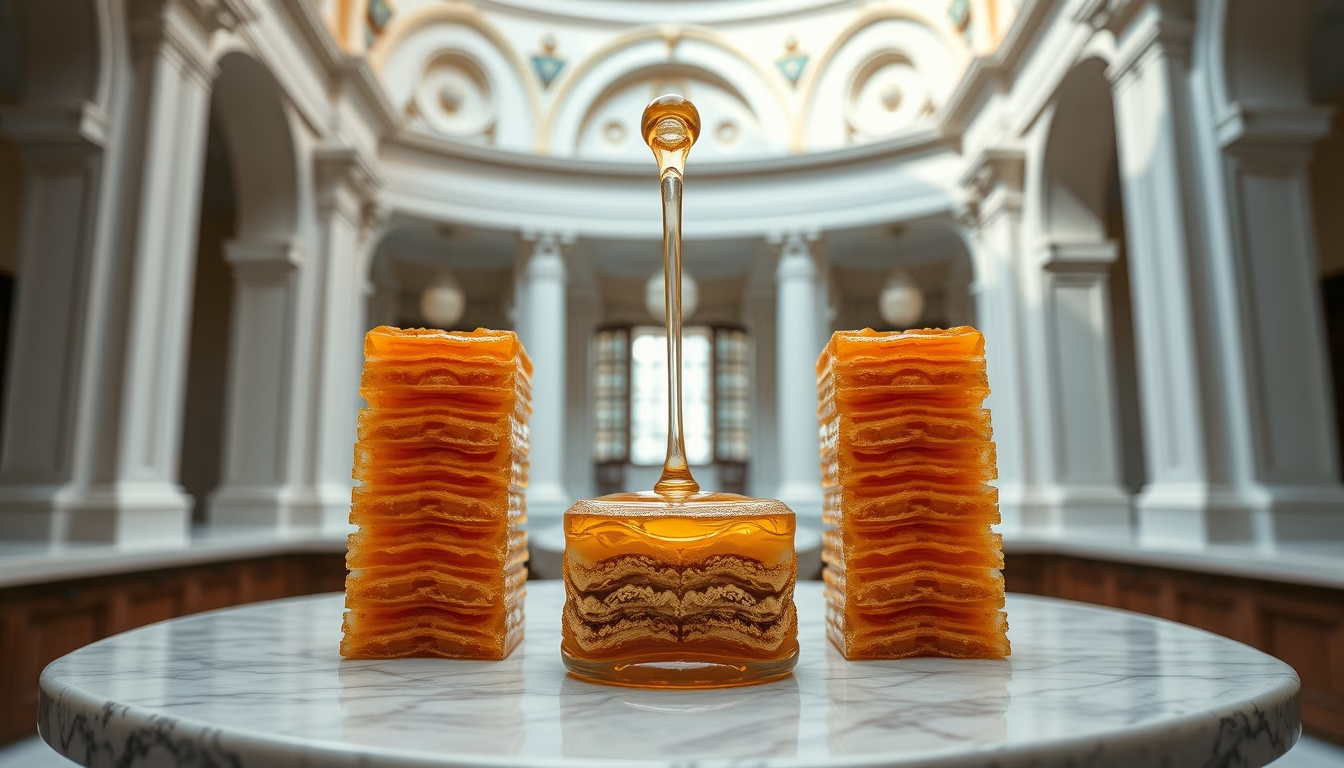
Baklava is a layered phyllo pastry dessert of Ottoman origin, filled with nuts and sweetened with honey or syrup, popular across the Middle East and Balkans.
About this subject
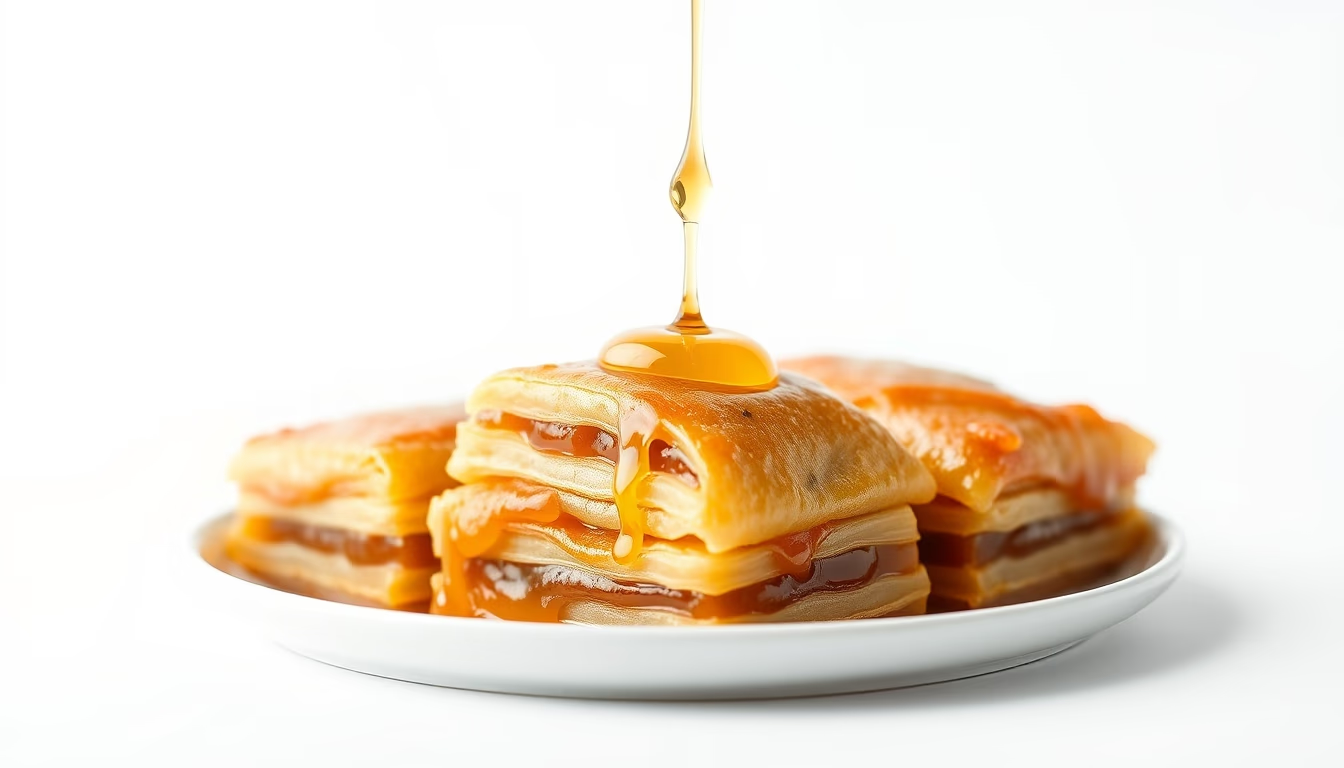
Baklava is one of the most iconic desserts of Middle Eastern and Balkan cuisines, with origins tracing back to the Ottoman Empire. Its preparation involves successive layers of phyllo dough, a thin, hand-stretched pastry, alternated with melted butter and a filling of chopped nuts such as pistachios, walnuts, or almonds. After baking until golden, the pastry is soaked in a hot syrup made from honey, sugar, and orange blossom or lemon water, which penetrates the layers and creates the characteristic soft, sticky texture.
Although the modern recipe is often associated with Turkey, Greece, and Lebanon, regional variations abound. In Turkey, the baklava from Gaziantep is renowned for its high-quality pistachios. In Greece, walnuts and honey are common, and the dessert is cut into small diamond shapes. In Lebanon, rose water or orange blossom water is added to the syrup. The technique of stretching phyllo dough to paper-thinness is considered an art, requiring skill passed down through generations.
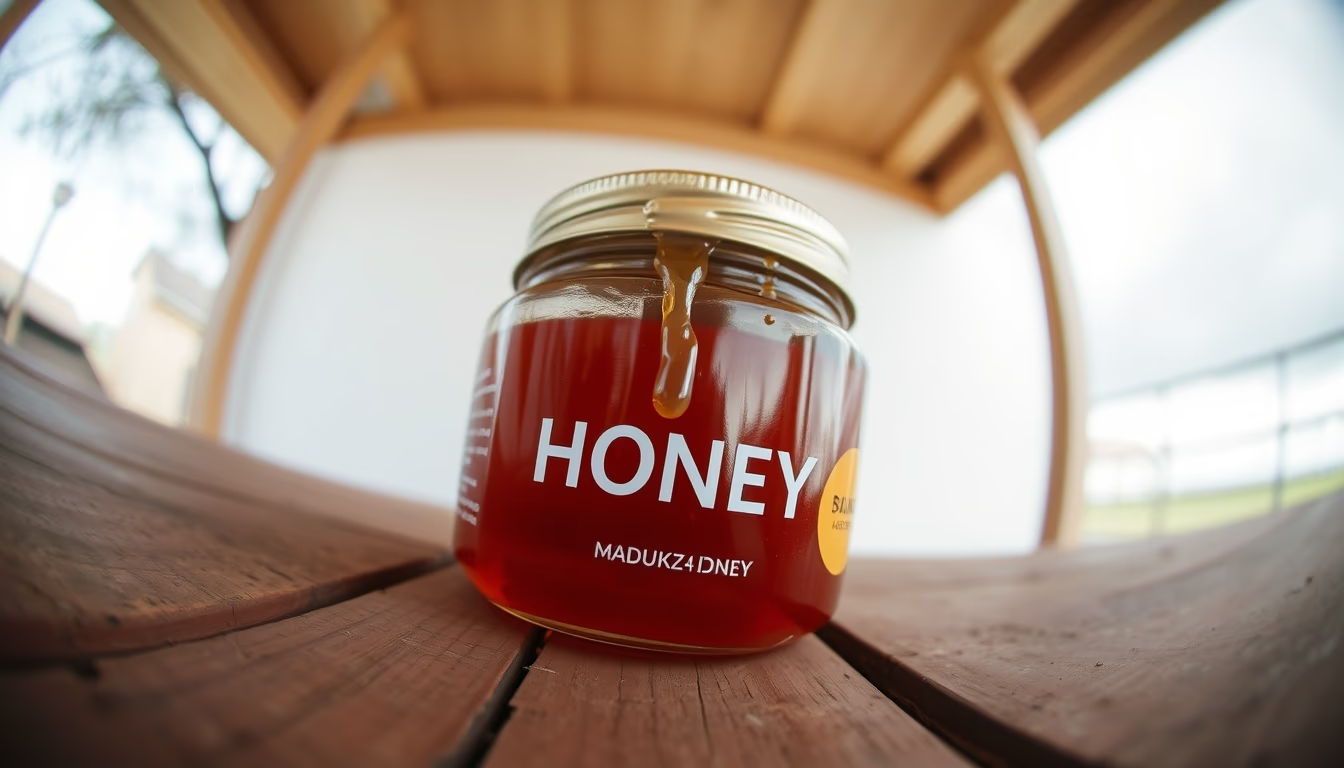
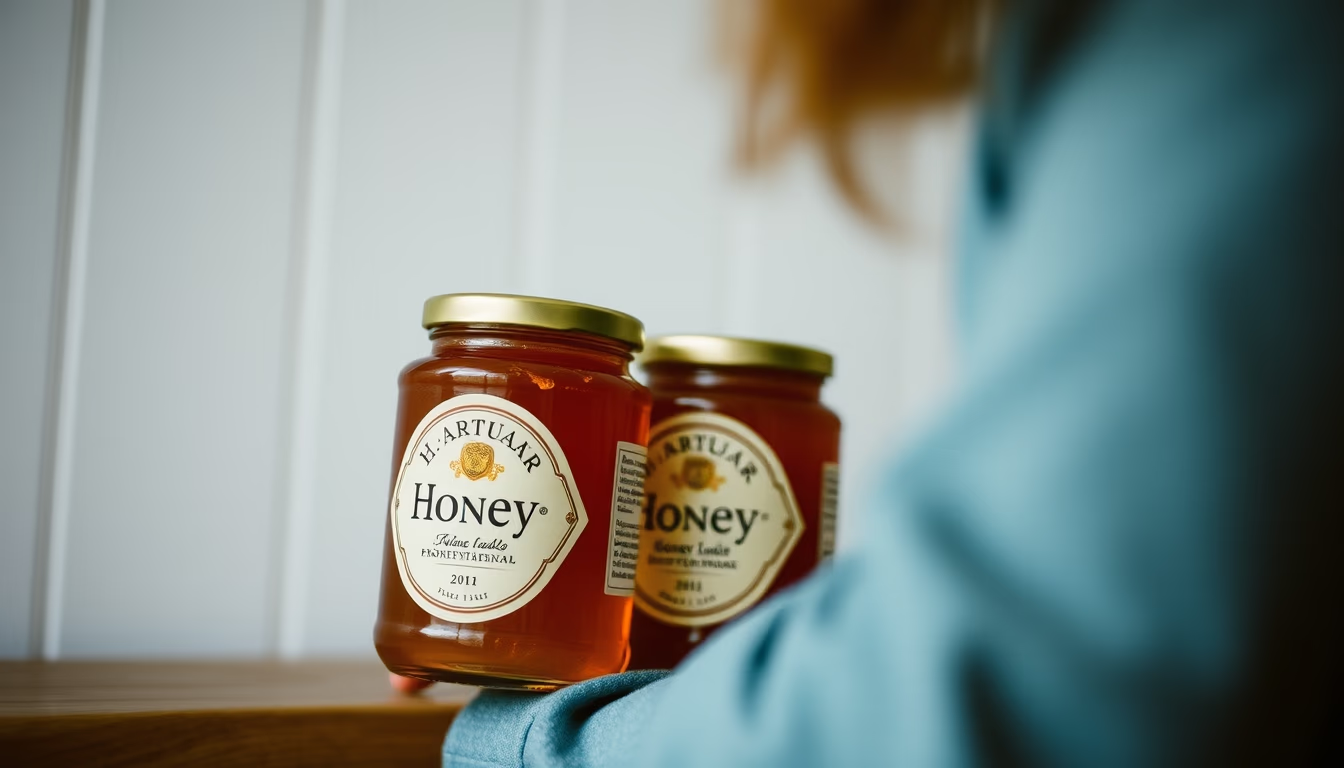
Culturally, baklava is served at festive occasions like weddings and religious holidays, symbolizing prosperity and sweetness. Its popularity has spread globally, found in pastry shops worldwide. Nutritionally, it is a rich dessert high in fats and sugars, but also provides protein and healthy fats from nuts. The honey in the syrup not only sweetens but also contributes antioxidants and antibacterial properties.
Interestingly, baklava is mentioned in 13th-century Byzantine texts, but the layered phyllo version was perfected in Ottoman palaces. UNESCO recognizes Turkish baklava as an Intangible Cultural Heritage. Despite its sophisticated appearance, homemade versions are possible with store-bought phyllo, though artisanal baklava remains the most cherished.
Frequently Asked Questions
What is the origin of baklava?
Baklava originates from the Ottoman Empire, with earlier versions existing in the Byzantine Empire. The modern layered phyllo recipe was perfected in Ottoman palaces and spread across the Middle East and Balkans.
What are the main ingredients of baklava?
The basic ingredients are phyllo dough, butter, nuts (such as pistachios, walnuts, or almonds), and a syrup made from honey or sugar with orange blossom or lemon water.
How is baklava traditionally served?
Baklava is served at room temperature, cut into small pieces (diamonds or squares), often accompanied by tea or coffee. It is common at festive occasions and celebrations.
Direct URL
https://pub-c7d6a6ea828543ac903a74a341ccb2e1.r2.dev/imagens/baklava-layered-honey-architectural-photography-fresh0.avifHow to credit
Include a visible link back to UtilizAí. Copy one of the snippets below:
<a href="https://xn--utiliza-eza.com/en/midia/imagens/baklava-layered-honey-architectural-photography-fresh0">Baklava layered honey</a> by <a href="https://xn--utiliza-eza.com">UtilizAí</a>, licensed under <a href="https://creativecommons.org/licenses/by/4.0/">CC BY 4.0</a>.
[Baklava layered honey](https://xn--utiliza-eza.com/en/midia/imagens/baklava-layered-honey-architectural-photography-fresh0) by [UtilizAí](https://xn--utiliza-eza.com), CC BY 4.0
License: CC-BY-4.0