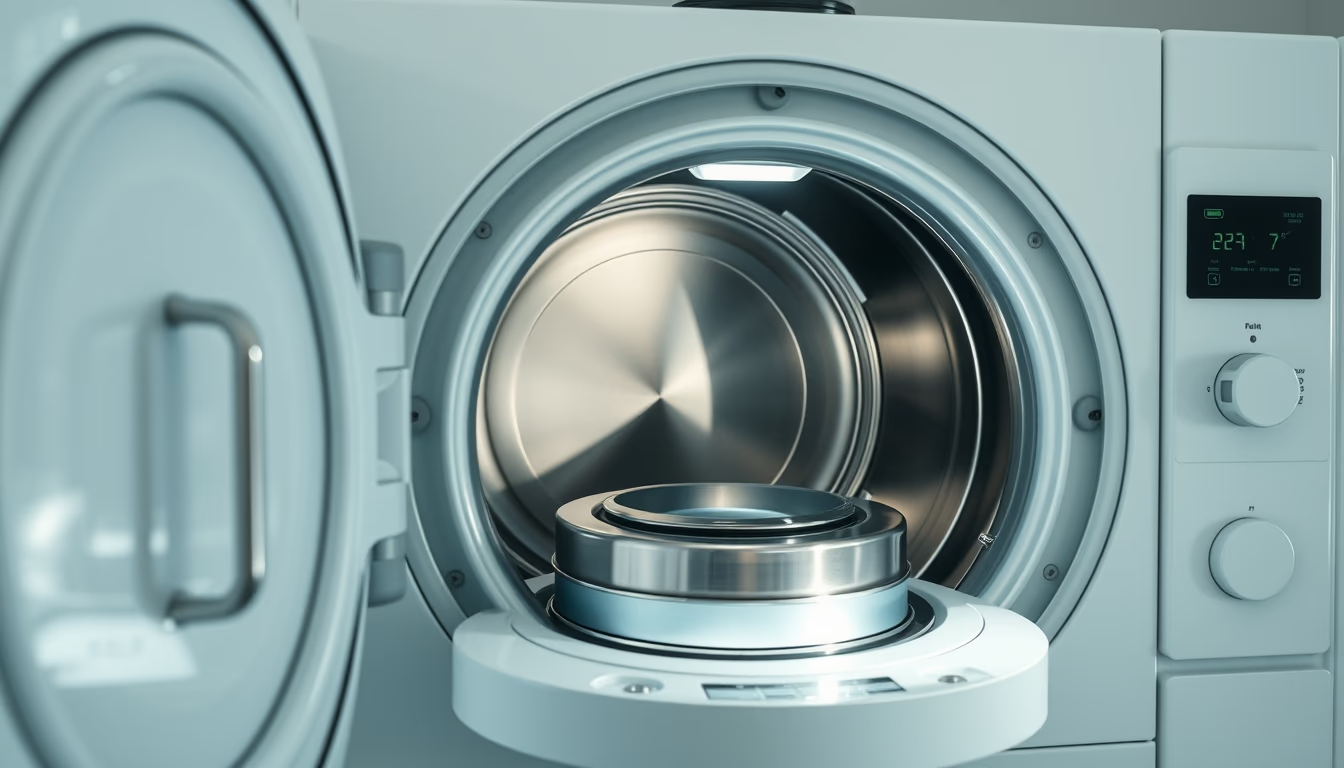
Autoclave sterilizer
1344×768 · AVIF · CC BY 4.0
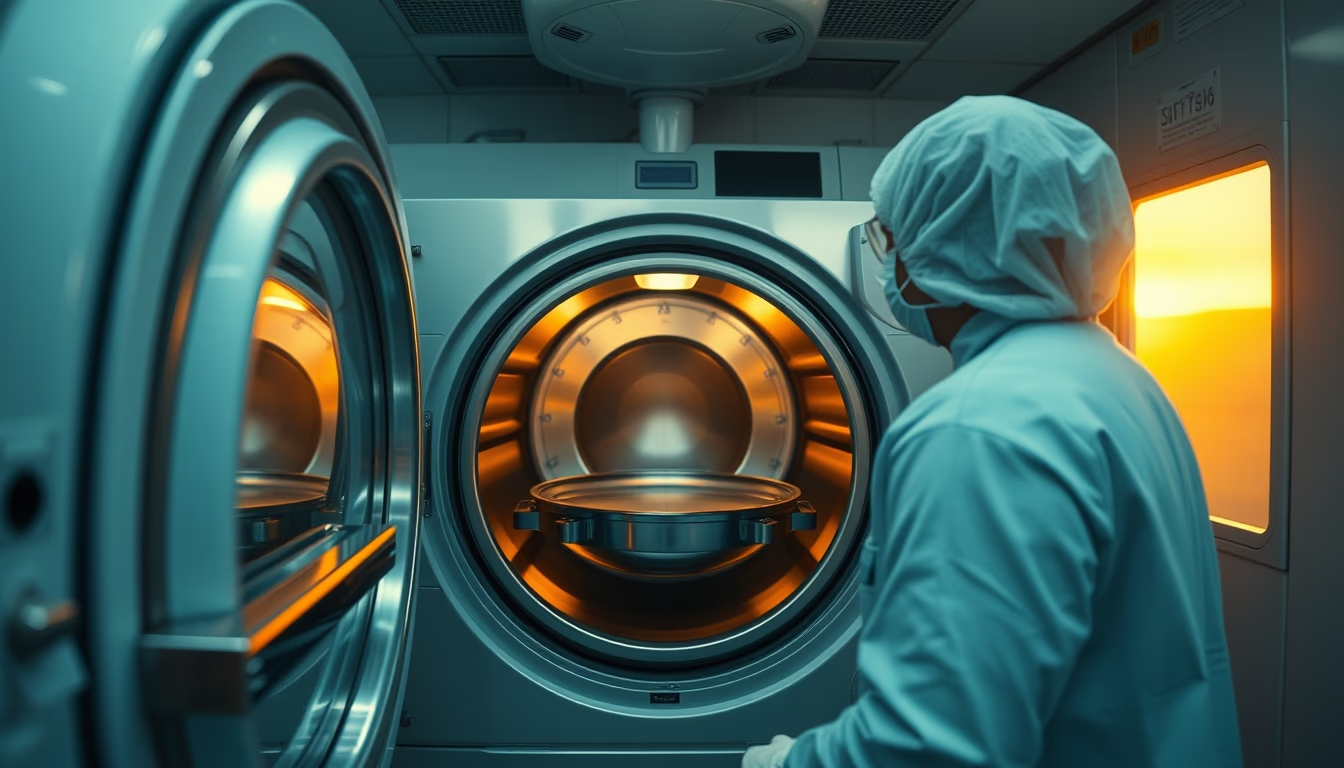
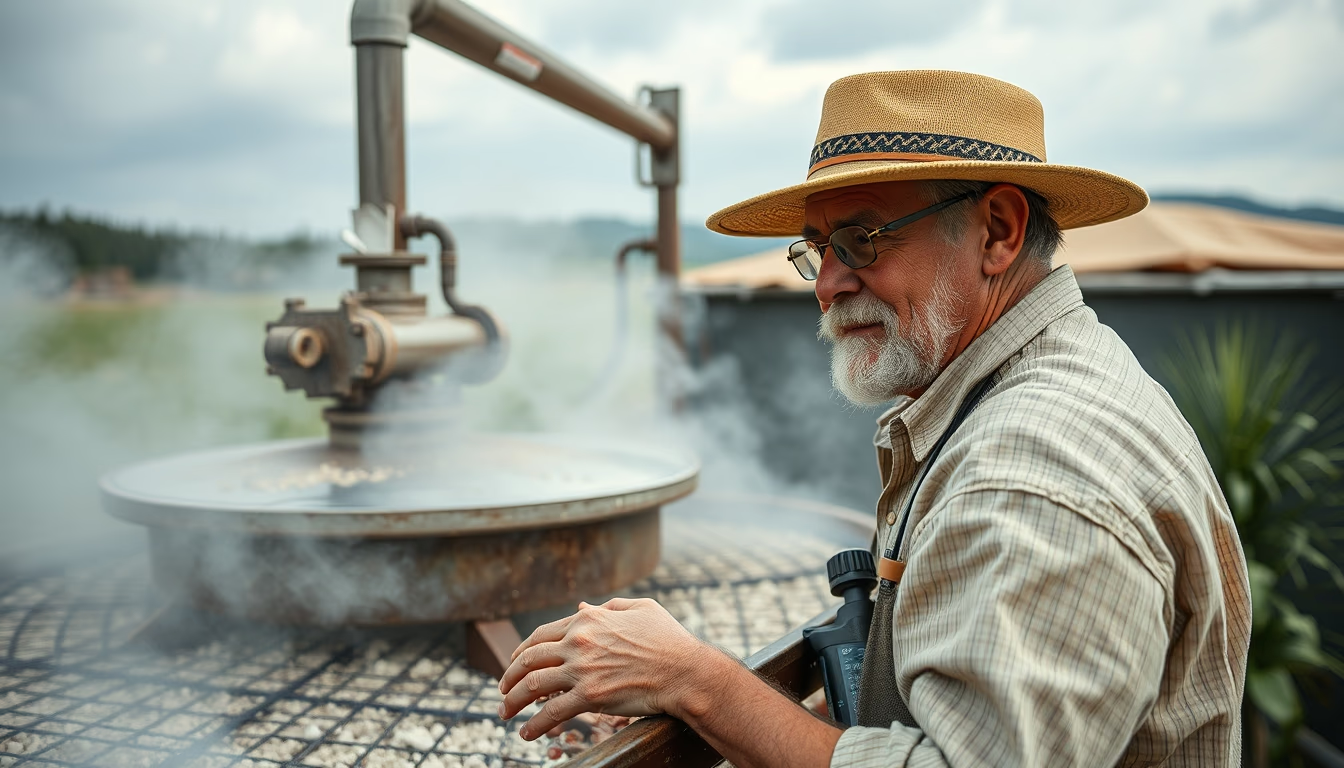
The autoclave is essential equipment for moist heat sterilization under pressure, widely used in laboratories and hospitals to eliminate microorganisms.
About this subject
The autoclave operates with saturated steam under pressure, typically at 121°C and 1 extra atmosphere, or at 134°C for faster cycles. Moist heat denatures proteins and damages cell membranes of bacteria, fungi, viruses, and spores, ensuring sterility. This principle was developed by Charles Chamberland in 1879 as an adaptation of Denis Papin's pressure cooker, and it has since become the standard in critical environments.
There are two main types: gravity displacement autoclaves, where steam pushes air out, and pre-vacuum autoclaves, which mechanically remove air before introducing steam. The latter is more efficient for porous or wrapped loads. Typical cycles last from 15 to 30 minutes, depending on the contents and temperature. Biological indicators with Geobacillus stearothermophilus spores are used to validate process efficacy.
In laboratories, autoclaves sterilize culture media, glassware, biological waste, and heat-sensitive equipment that cannot tolerate dry heat. In hospitals, they are essential for processing surgical instruments, syringes, and textiles. Preventive maintenance includes cleaning filters, calibrating sensors, and periodic Bowie-Dick tests for vacuum autoclaves, ensuring the safety of patients and healthcare workers.
Frequently Asked Questions
What temperature is used in an autoclave?
The most common temperatures are 121°C (typically for 15, 30 minutes) and 134°C (for 3, 7 minutes), depending on the load type and cycle chosen.
How long does an autoclave cycle take?
The total cycle, including heating, sterilization, and cooling, can range from 20 minutes to over an hour, depending on the volume and density of the load.
How can you verify that the autoclave has sterilized correctly?
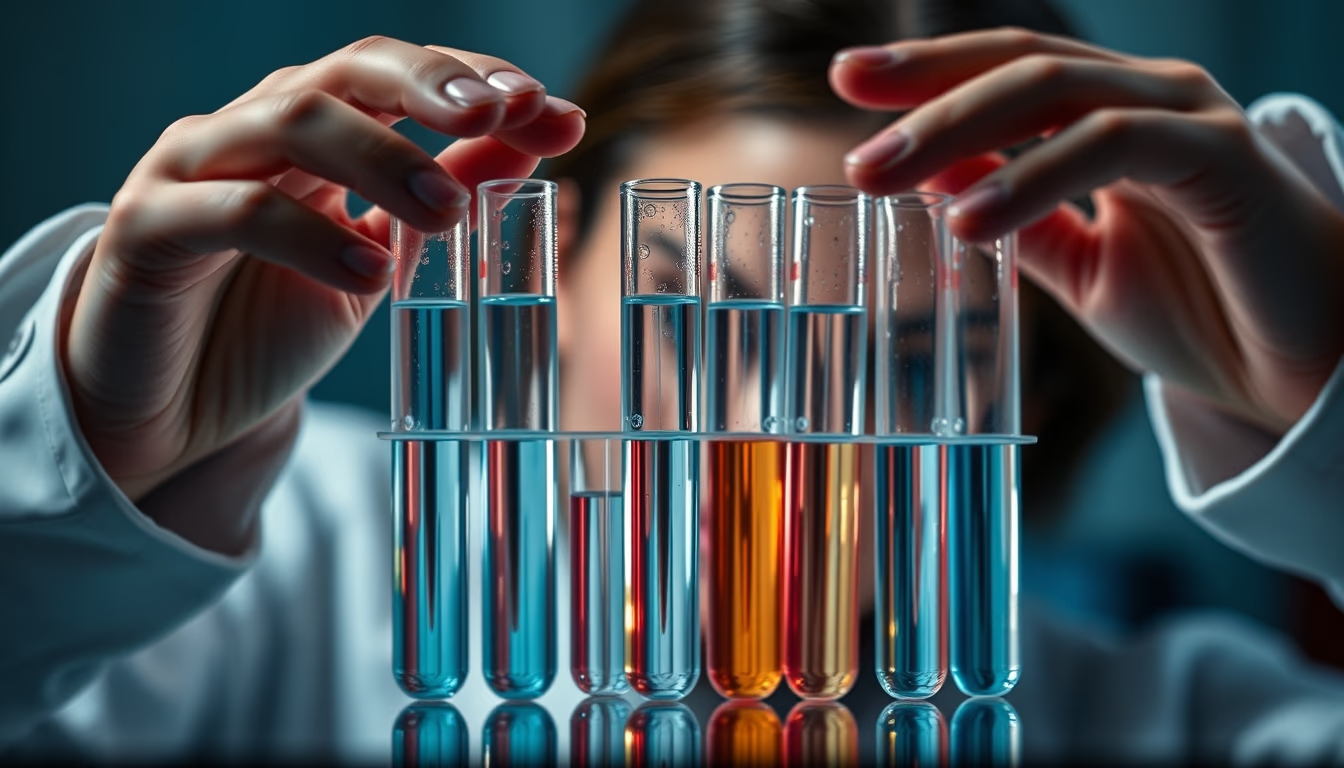
Biological indicators containing spores of Geobacillus stearothermophilus and chemical indicators such as tapes or integrators that change color after proper steam exposure are used.
Direct URL
https://pub-c7d6a6ea828543ac903a74a341ccb2e1.r2.dev/imagens/autoclave-sterilizer-cinematic-wide-shot-fresh14.avifHow to credit
Include a visible link back to UtilizAí. Copy one of the snippets below:
<a href="https://xn--utiliza-eza.com/en/midia/imagens/autoclave-sterilizer-cinematic-wide-shot-fresh14">Autoclave sterilizer</a> by <a href="https://xn--utiliza-eza.com">UtilizAí</a>, licensed under <a href="https://creativecommons.org/licenses/by/4.0/">CC BY 4.0</a>.
[Autoclave sterilizer](https://xn--utiliza-eza.com/en/midia/imagens/autoclave-sterilizer-cinematic-wide-shot-fresh14) by [UtilizAí](https://xn--utiliza-eza.com), CC BY 4.0
License: CC-BY-4.0