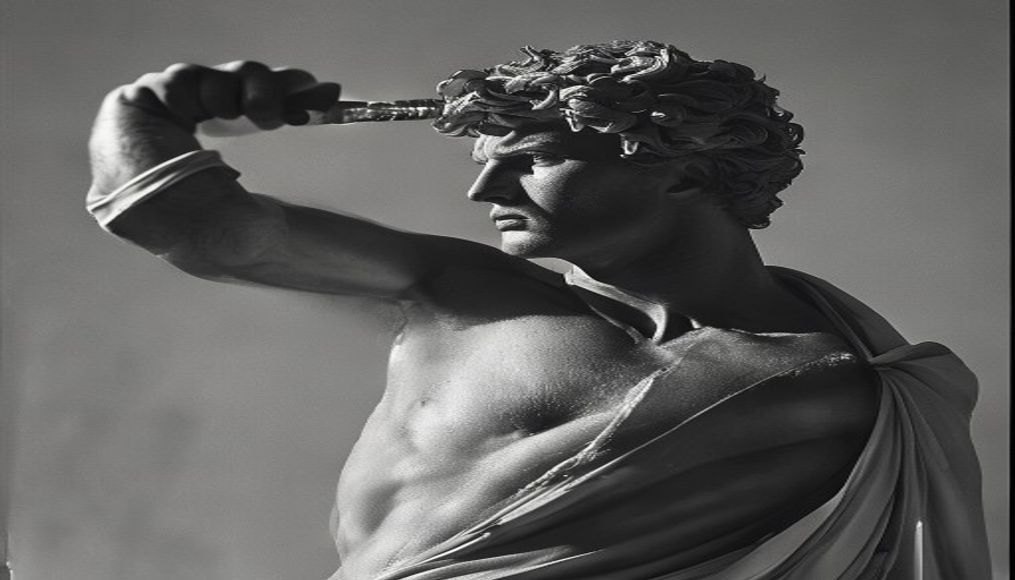
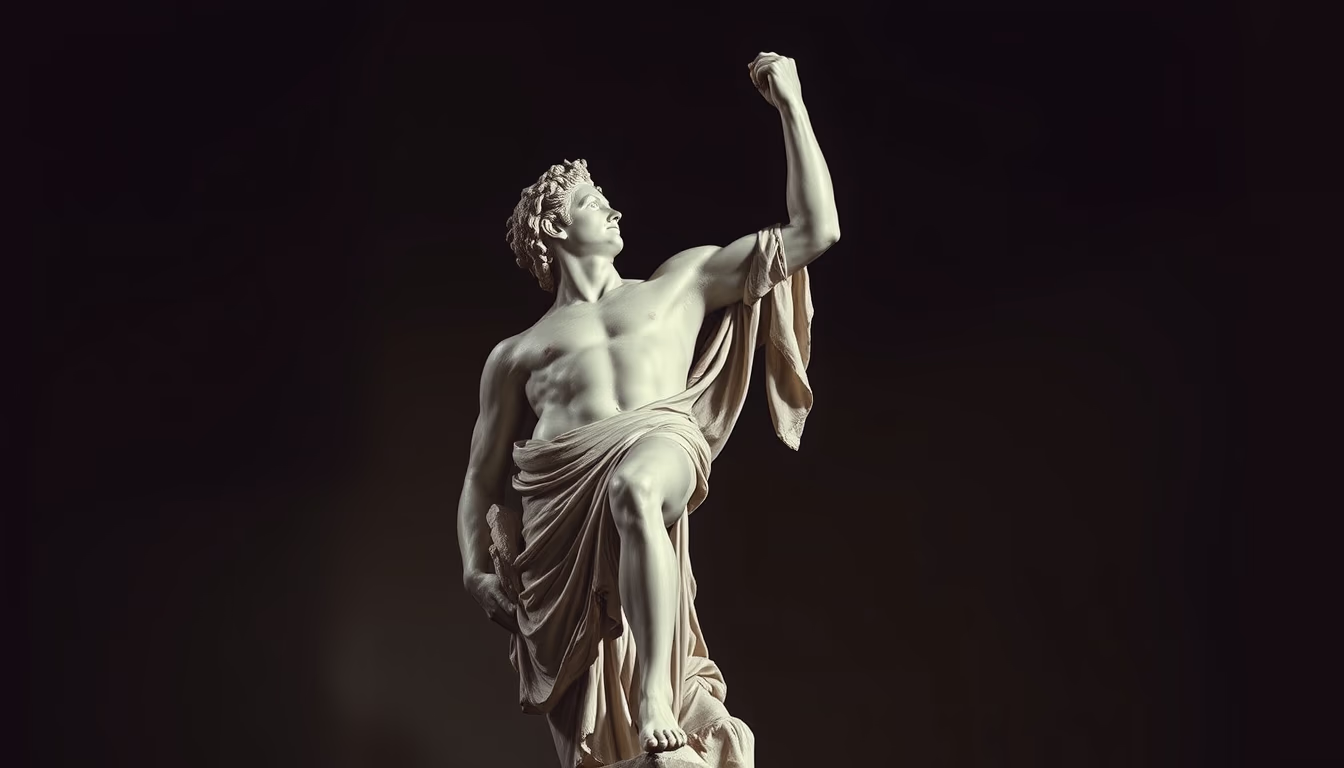
Auguste rodin sculptures
1344×768 · AVIF · CC BY 4.0
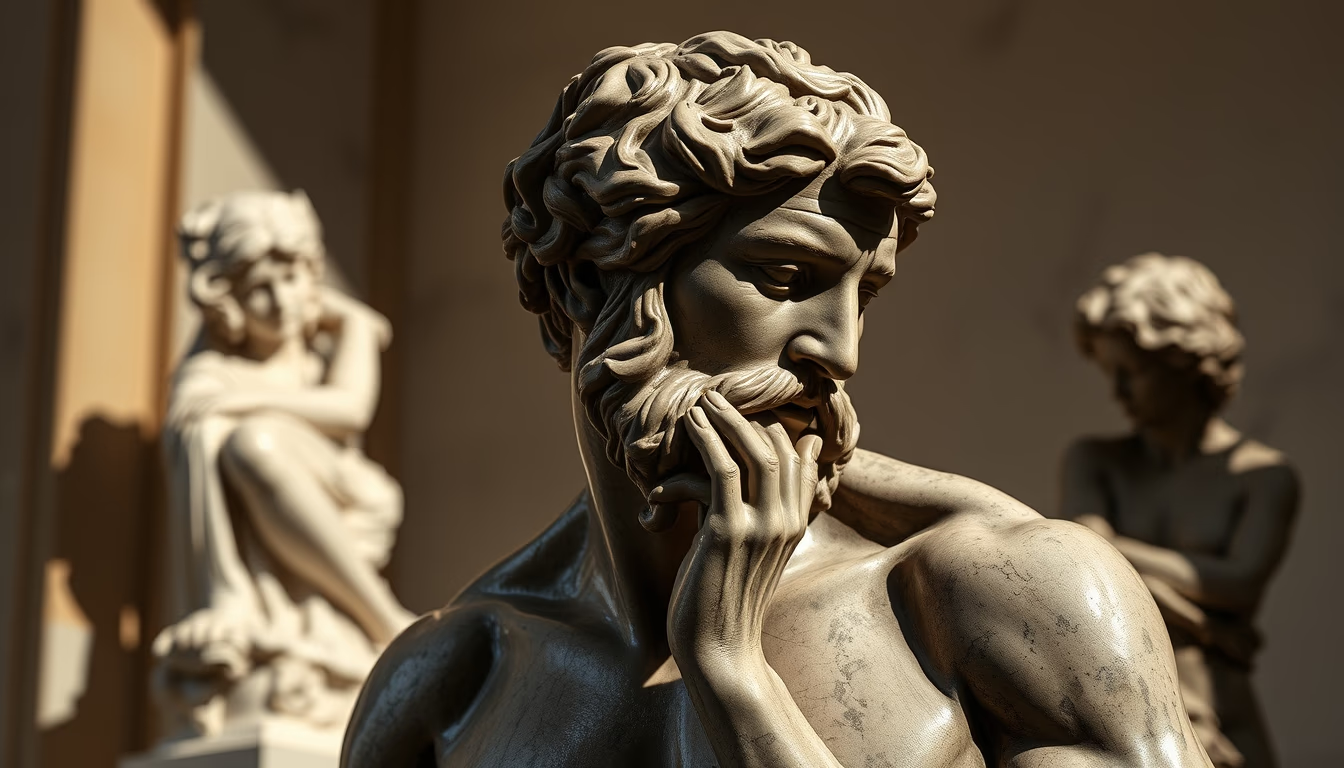
Auguste Rodin's sculptures, such as The Thinker and The Kiss, marked the transition to modern sculpture in the 19th century.
About this subject
Auguste Rodin (1840-1917) was a French sculptor who revolutionized art by challenging the academic conventions of his time. His works explore universal themes such as love, pain, and introspection, with textured surfaces and poses that capture movement and emotion. Unlike the idealized sculpture of Neoclassicism, Rodin valued naturalism and raw expression. His most famous work, The Thinker, originally conceived as part of The Gates of Hell, became an icon of philosophy and reflection. Other notable pieces include The Burghers of Calais, which honors an act of civic sacrifice, and The Kiss, which caused controversy for its explicit depiction of passion.
Rodin often worked with live models and revisited his pieces, creating multiple versions. He employed techniques such as the “unfinished,” leaving parts of the marble or bronze seemingly incomplete to emphasize creative energy. His influence extended to artists like Camille Claudel, his student and collaborator, and inspired movements such as Expressionism and Modernism. Many of his sculptures are displayed at the Musée Rodin in Paris, housed in the Hôtel Biron, where the artist lived and worked.
Rodin's career was not without controversy. In 1880, the commission for The Gates of Hell for the Musée des Arts Décoratifs sparked debates, and he was accused of using direct casts from the human body, a practice considered anti-artistic. However, his artistic honesty and technical innovation solidified his legacy as the father of modern sculpture. The treatment of light and shadow in his works influenced not only sculpture but also photography and cinema. To this day, Rodin's sculptures continue to fascinate for their ability to convey emotion through inert matter.
Frequently Asked Questions
What is Auguste Rodin's most famous sculpture?
Rodin's most famous sculpture is The Thinker (Le Penseur), originally created in 1880 as part of The Gates of Hell. It became a universal symbol of contemplation and philosophy.
How many sculptures did Rodin produce in his lifetime?
Rodin produced thousands of sculptures, including studies, independent figures, and monuments. It is estimated that there are about 7,000 cataloged works, including marbles, bronzes, and terracottas.
Where can I see Rodin's works in Brazil?
The São Paulo Museum of Art (MASP) holds a collection of Rodin's works, including The Thinker in bronze. Other pieces can be found at the National Museum of Fine Arts in Rio de Janeiro.
Direct URL
https://pub-c7d6a6ea828543ac903a74a341ccb2e1.r2.dev/imagens/auguste-rodin-sculptures-magazine-editorial-p5.avifHow to credit
Include a visible link back to UtilizAí. Copy one of the snippets below:
<a href="https://xn--utiliza-eza.com/en/midia/imagens/auguste-rodin-sculptures-magazine-editorial-p5">Auguste rodin sculptures</a> by <a href="https://xn--utiliza-eza.com">UtilizAí</a>, licensed under <a href="https://creativecommons.org/licenses/by/4.0/">CC BY 4.0</a>.
[Auguste rodin sculptures](https://xn--utiliza-eza.com/en/midia/imagens/auguste-rodin-sculptures-magazine-editorial-p5) by [UtilizAí](https://xn--utiliza-eza.com), CC BY 4.0
License: CC-BY-4.0