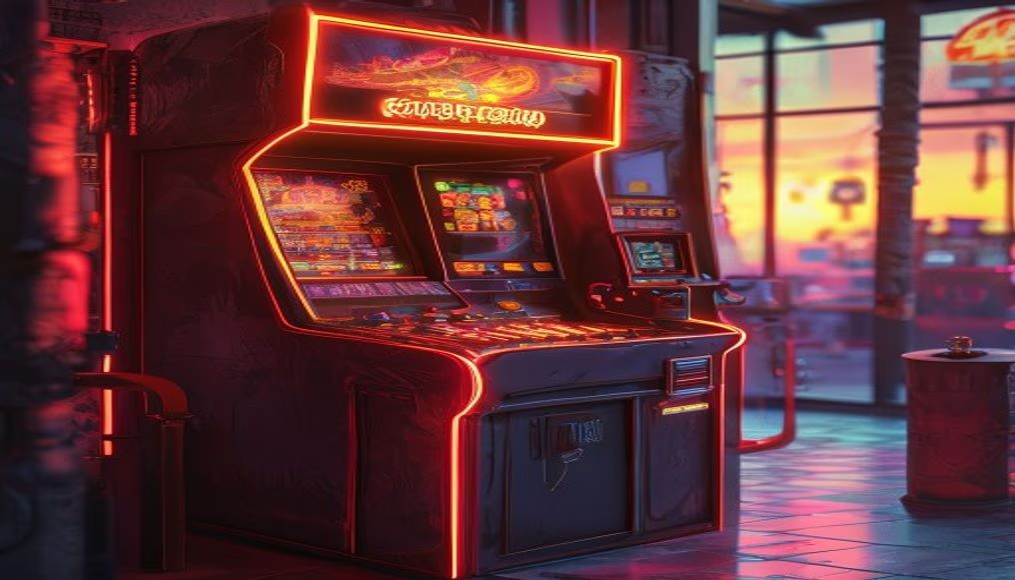
Arcade machine retro neon
1344×768 · AVIF · CC BY 4.0
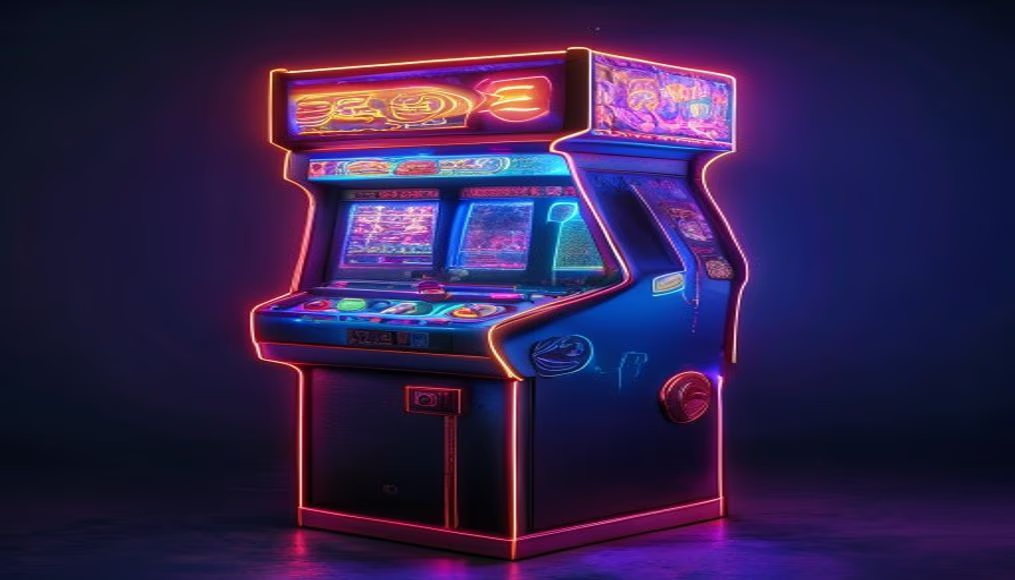
Retro arcade machine with neon lighting, a symbol of 80s and 90s gaming culture. Discover the history of arcades and their impact.
About this subject
Arcade machines marked the beginning of the video game industry. The first commercial arcade game was Computer Space (1971), but it was Atari's Pong (1972) that sparked the phenomenon. Throughout the 1980s, arcades dominated entertainment with classics like Pac-Man (1980), Donkey Kong (1981), and Street Fighter II (1991). The neon lights and flashy designs were not merely aesthetic: they served to attract players in noisy, dimly lit environments such as arcades, bars, and shopping malls.
In Brazil, arcades arrived with force in the 1980s, becoming popular in bars and clubs. Games like Street Fighter II and The King of Fighters fostered a local competitive culture that preceded e-sports. The neon lighting of the machines became iconic, using vibrant colors like pink, blue, and green to highlight cabinets and create an immersive atmosphere.
The decline of arcades began with the rise of home consoles in the 1990s, but a recent revival has brought back retro machines in themed bars and personal collections. Modern cabinets with emulation preserve the neon aesthetic, while new generations rediscover the unique social experience of standing and playing surrounded by sounds and lights.
Interesting fact: original arcades often used CRT monitors that naturally emitted a characteristic glow, and adding neon lights was a form of operator customization. Today, modern replicas use LEDs to recreate the vintage effect with greater energy efficiency.
Frequently Asked Questions
What was the first arcade game?
The first commercially available arcade game was Computer Space, released in 1971 by Nutting Associates. However, it was Atari's Pong (1972) that truly popularized the concept.
Why did arcade machines have neon lights?
Neon lights attracted players in dark, noisy environments, highlighting the machine and creating an immersive atmosphere. They were also a form of customization by arcade operators.
Do arcades still exist today?
Yes, though in smaller numbers. Themed bars, video game museums, and collectors maintain original machines or modern replicas with emulation. The retro interest has driven their comeback.
Direct URL
https://pub-c7d6a6ea828543ac903a74a341ccb2e1.r2.dev/imagens/arcade-machine-retro-neon-commercial-product-photography-v9.avifHow to credit
Include a visible link back to UtilizAí. Copy one of the snippets below:
<a href="https://xn--utiliza-eza.com/en/midia/imagens/arcade-machine-retro-neon-commercial-product-photography-v9">Arcade machine retro neon</a> by <a href="https://xn--utiliza-eza.com">UtilizAí</a>, licensed under <a href="https://creativecommons.org/licenses/by/4.0/">CC BY 4.0</a>.
[Arcade machine retro neon](https://xn--utiliza-eza.com/en/midia/imagens/arcade-machine-retro-neon-commercial-product-photography-v9) by [UtilizAí](https://xn--utiliza-eza.com), CC BY 4.0
License: CC-BY-4.0