Arabic calligraphy mosque
1344×768 · AVIF · CC BY 4.0
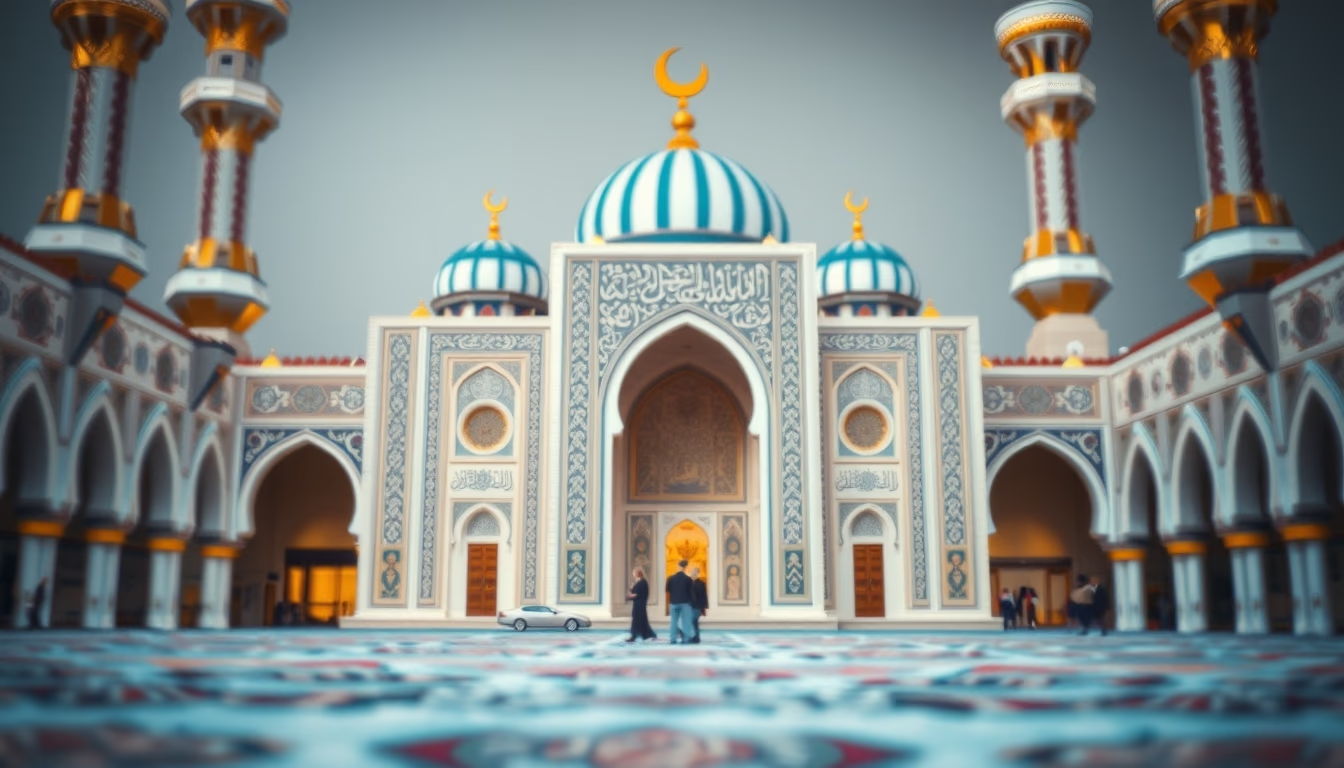
Arabic calligraphy in mosques is a sacred art form combining religious devotion with aesthetic refinement, adorning domes, mihrabs, and doors since the 7th century.
About this subject
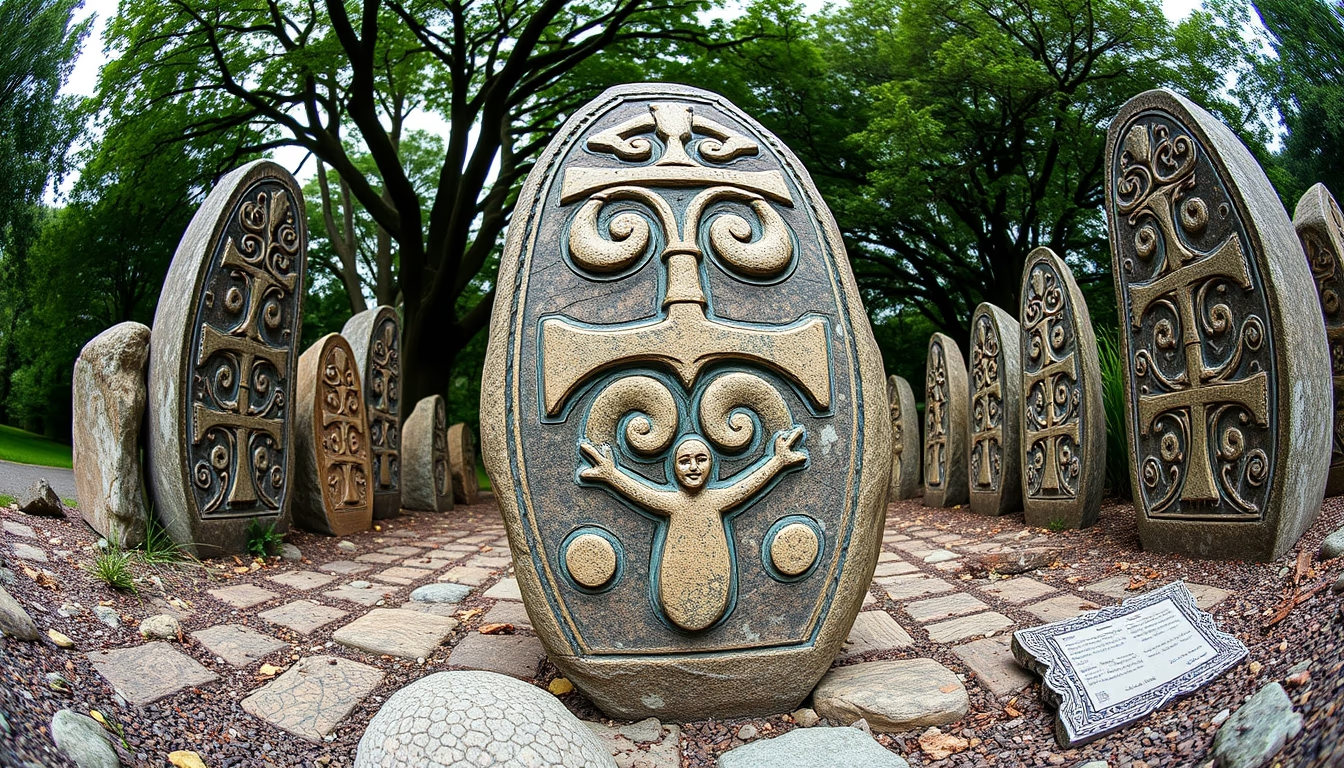
Arabic calligraphy, or khatt, is one of the most revered art forms in the Islamic world, especially in mosques. Its role transcends decoration: it conveys Quranic verses, hadiths, and divine names, turning the sacred space into a visual and spiritual experience. Early mosques, such as the Prophet's Mosque in Medina (built 622 CE), already featured Kufic inscriptions, one of the oldest styles, characterized by angular and geometric strokes. Over time, other styles emerged like Naskh (fluid and legible) and Thuluth (elegant and curvilinear), each with precise rules of proportion and harmony.
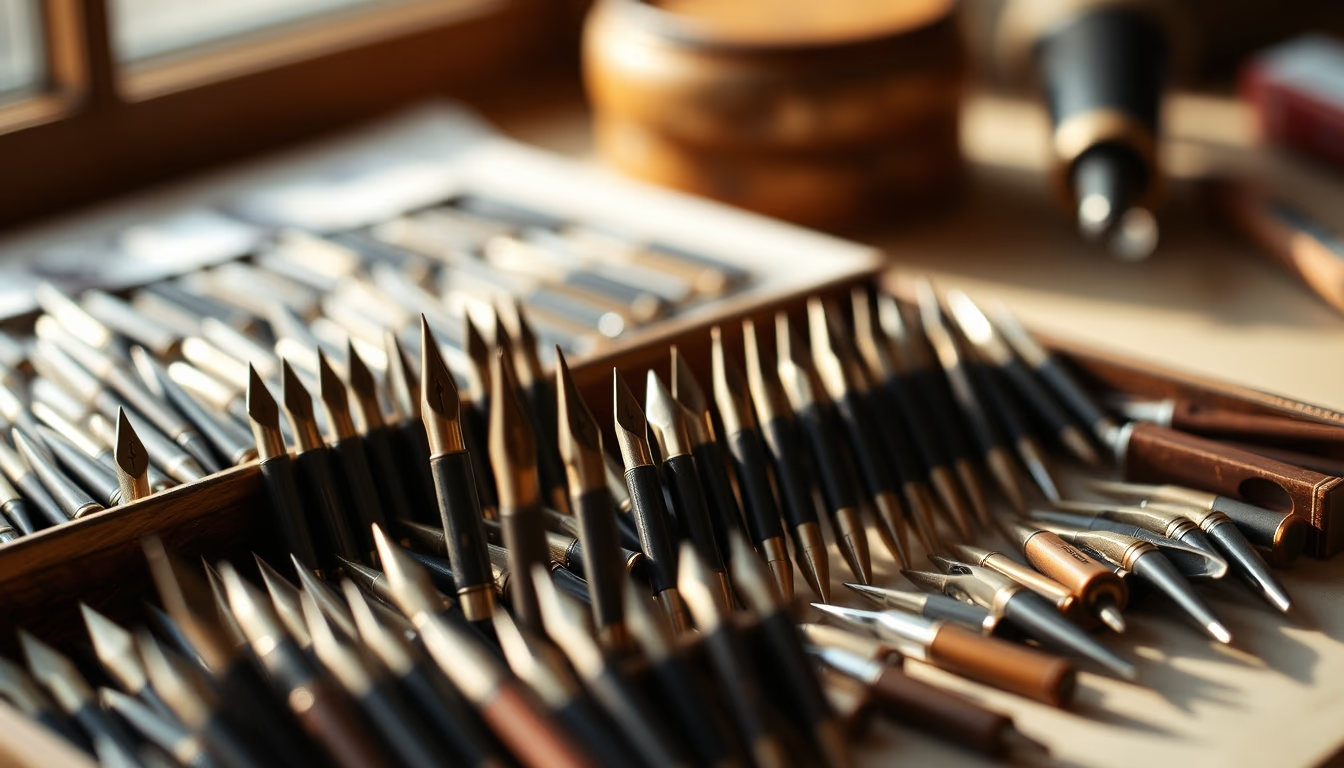
The integration of calligraphy with Islamic architecture reached its peak in works such as the Great Mosque of Cordoba (Spain) and the Blue Mosque (Istanbul, Turkey). In Cordoba, gold Kufic inscriptions run along the arches; in Istanbul, over 20,000 hand-painted tiles bear calligraphy in blue and white. The technique involves specialized artists (khattats) who prepare ink from soot and gum arabic, and write with cut reeds (qalam). The process is meticulous: a single mistake can ruin the piece.
Interestingly, Arabic calligraphy also served as a marker of regional identity. In the Maghreb, the Maghrebi style dominates, with open curves and longer horizontal lines. In Iran, modern calligraffiti blends tradition with contemporary abstract forms. In newer mosques like the Sheikh Zayed Grand Mosque (UAE, 2007), calligraphy appears not only on walls but also on carpets and chandeliers, demonstrating the continuous evolution of this millennia-old art.
Frequently Asked Questions
What is the origin of Arabic calligraphy in mosques?
It emerged in the 7th century with the need to write the Quran. Early mosque inscriptions used the Kufic style, developed in Kufa (Iraq).
What are the main calligraphy styles used in mosques?
The most common are Kufic (angular), Naskh (clear and used for texts), Thuluth (ornamental), and Maghrebi (typical of North Africa).
Why is calligraphy important in Islamic architecture?
It avoids figurative depictions of God or prophets, focusing on the divine word as a central decorative and spiritual element.
Direct URL
https://pub-c7d6a6ea828543ac903a74a341ccb2e1.r2.dev/imagens/arabic-calligraphy-mosque-tilt-shift-miniature-fresh5.avifHow to credit
Include a visible link back to UtilizAí. Copy one of the snippets below:
<a href="https://xn--utiliza-eza.com/en/midia/imagens/arabic-calligraphy-mosque-tilt-shift-miniature-fresh5">Arabic calligraphy mosque</a> by <a href="https://xn--utiliza-eza.com">UtilizAí</a>, licensed under <a href="https://creativecommons.org/licenses/by/4.0/">CC BY 4.0</a>.
[Arabic calligraphy mosque](https://xn--utiliza-eza.com/en/midia/imagens/arabic-calligraphy-mosque-tilt-shift-miniature-fresh5) by [UtilizAí](https://xn--utiliza-eza.com), CC BY 4.0
License: CC-BY-4.0