Arabic calligraphy mosque
1344×768 · AVIF · CC BY 4.0
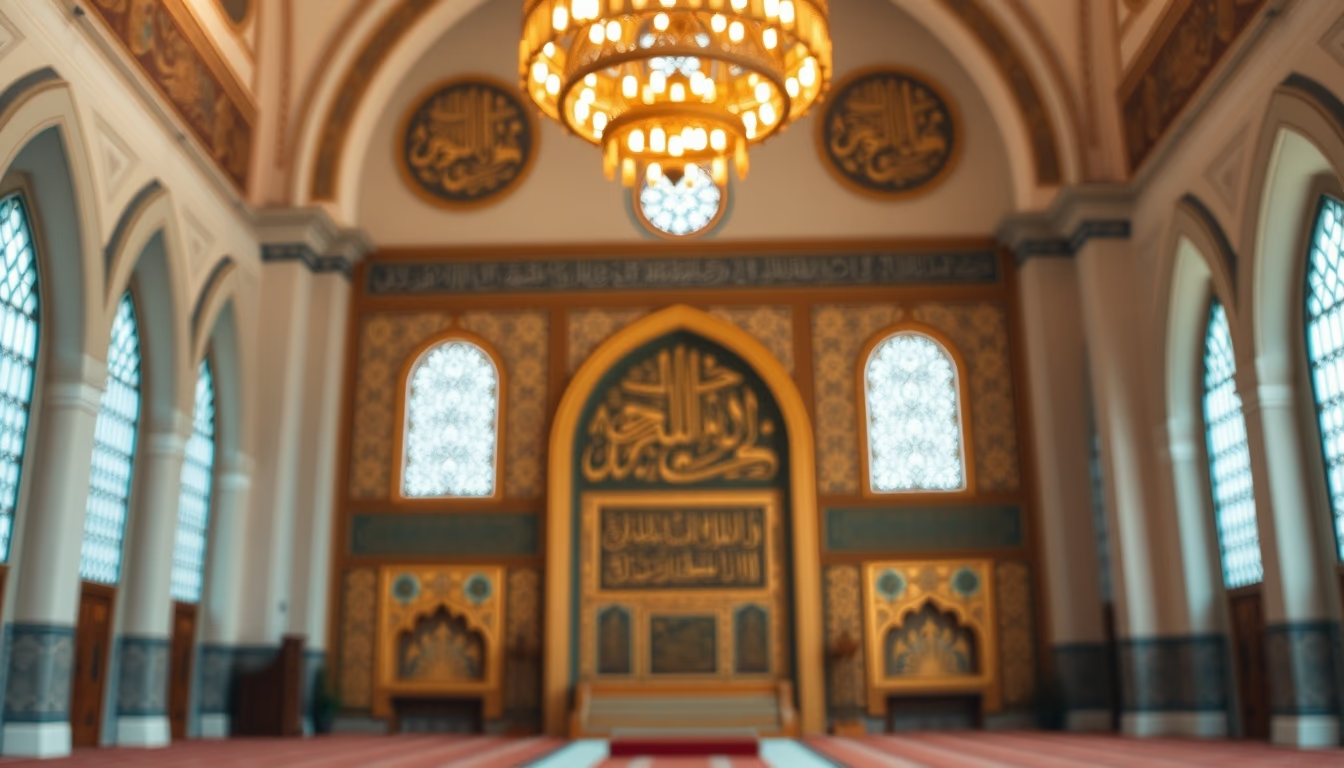
Arabic calligraphy in mosques is a sacred art form that blends aesthetic beauty with religious significance, adorning walls, domes, and mihrabs.
About this subject
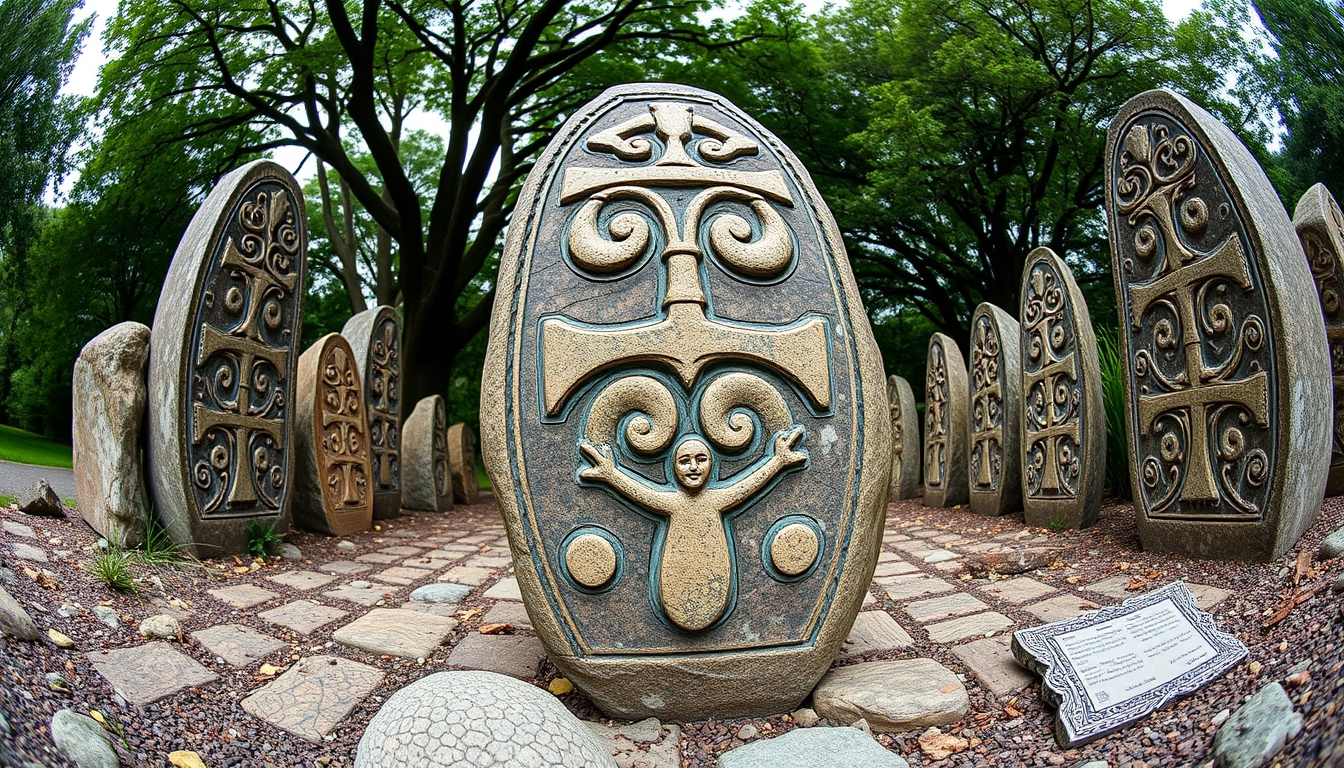
Arabic calligraphy is one of the most important artistic expressions in the Islamic world, especially in the context of mosques. From the early centuries of Islam, the art of writing Quranic verses in an ornate manner became a way to beautify worship spaces while avoiding figurative representations. Calligraphic inscriptions in mosques usually include Quranic passages, names of God or the Prophet Muhammad, and historical dates. The most common styles are Kufic, with its geometric and angular forms, and Naskh, more cursive and fluid. These works are not merely decorative; they convey spiritual messages and remind the faithful of the divine word.
The oldest mosques, such as the Great Mosque of Córdoba in Spain and the Ibn Tulun Mosque in Cairo, already featured monumental calligraphy on their mihrabs (niches indicating the direction of Mecca) and domes. Over time, calligraphy evolved to include geometric elements and arabesques, becoming an integral part of Islamic architecture. In the Blue Mosque in Istanbul, for example, Iznik tiles are covered with calligraphic verses, while in the Umayyad Mosque in Damascus, gold inscriptions adorn the walls. Calligraphy also appears on objects such as prayer rugs and mosque lamps.
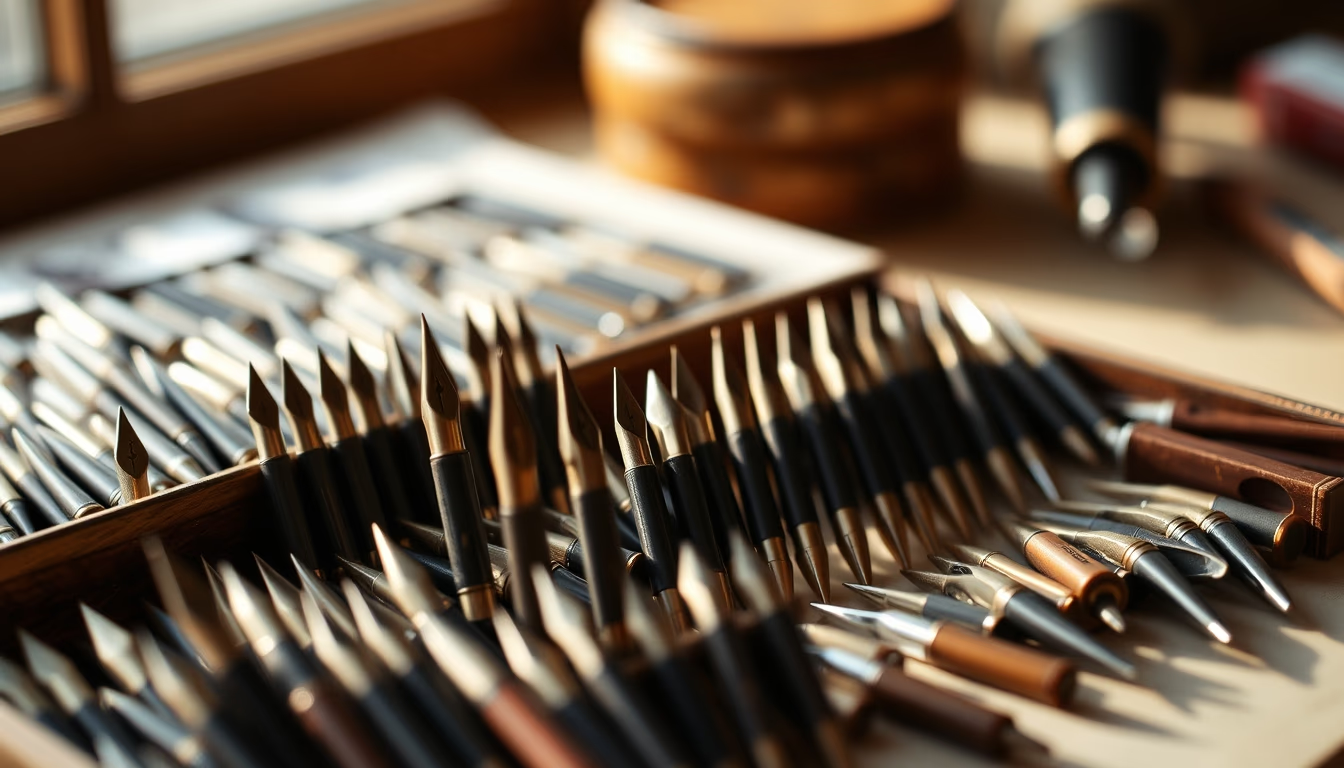
Interestingly, Arabic calligraphy in mosques is not only monumental; it is often done in miniature in manuscripts and illuminations. The choice of style and material (marble, wood, plaster) depends on the region and historical period. For instance, in the Maghreb, the Maghrebi style, characterized by rounded forms, prevails, while in Persia, Nasta'liq is more common. This art requires years of training and is considered a form of devotion. Today, Arabic calligraphy continues to thrive in new mosques around the world, keeping the tradition alive.
Frequently Asked Questions
Why is Arabic calligraphy used in mosques?
Arabic calligraphy is used in mosques to decorate the worship space with Quranic verses and sacred names, conveying spiritual messages while avoiding figurative representations, in accordance with Islamic tradition.
What are the main styles of calligraphy found in mosques?
The main styles are Kufic, with angular and geometric forms, and Naskh, more cursive. Other styles include Maghrebi, used in North Africa, and Nasta'liq, common in Persia.
Where can I see famous examples of calligraphy in mosques?
Famous examples include the Great Mosque of Córdoba (Spain), the Blue Mosque (Istanbul), the Umayyad Mosque (Damascus), and the Sultan Ahmed Mosque (Turkey), which feature calligraphic inscriptions on tiles, marble, and plaster.
Direct URL
https://pub-c7d6a6ea828543ac903a74a341ccb2e1.r2.dev/imagens/arabic-calligraphy-mosque-studio-editorial-portrait-fresh9.avifHow to credit
Include a visible link back to UtilizAí. Copy one of the snippets below:
<a href="https://xn--utiliza-eza.com/en/midia/imagens/arabic-calligraphy-mosque-studio-editorial-portrait-fresh9">Arabic calligraphy mosque</a> by <a href="https://xn--utiliza-eza.com">UtilizAí</a>, licensed under <a href="https://creativecommons.org/licenses/by/4.0/">CC BY 4.0</a>.
[Arabic calligraphy mosque](https://xn--utiliza-eza.com/en/midia/imagens/arabic-calligraphy-mosque-studio-editorial-portrait-fresh9) by [UtilizAí](https://xn--utiliza-eza.com), CC BY 4.0
License: CC-BY-4.0