Arabic calligraphy mosque
1344×768 · AVIF · CC BY 4.0
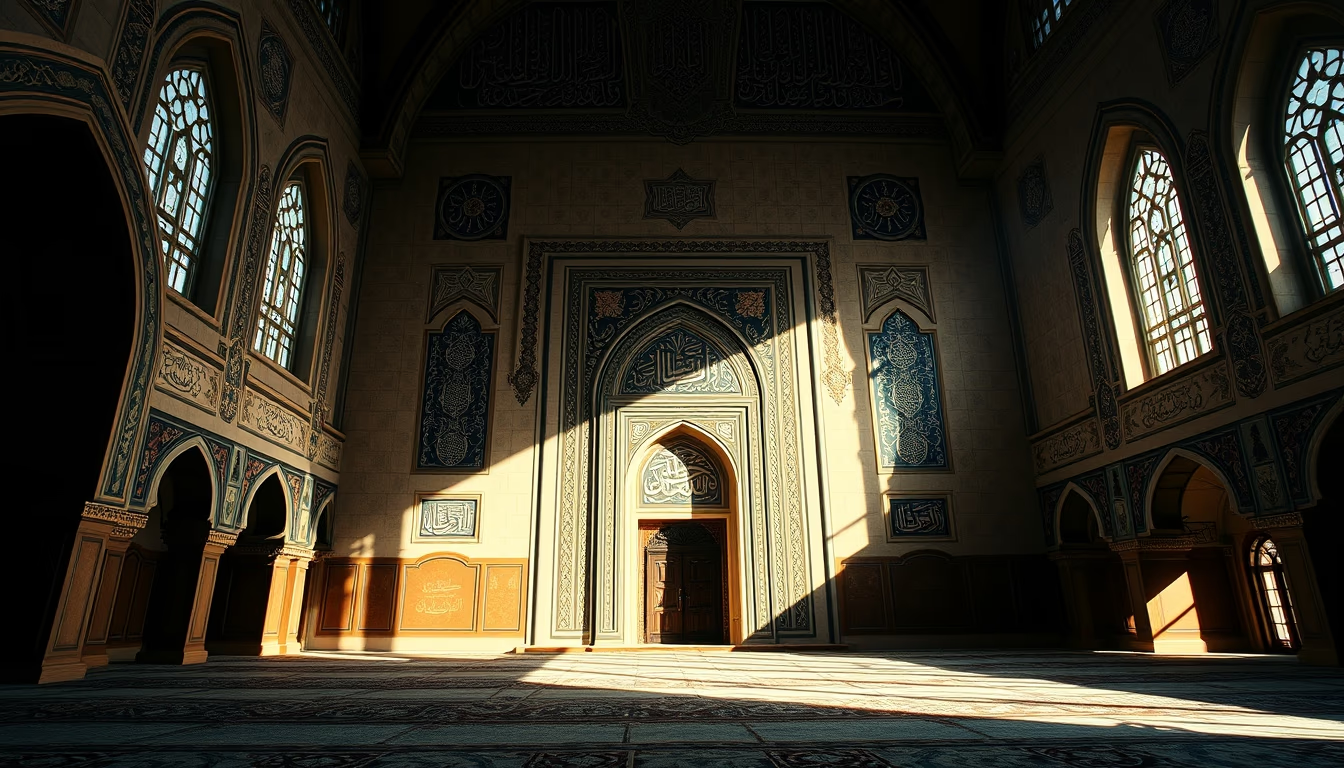
Arabic calligraphy in mosques is a sacred art form combining religious scripture with architectural design, found on domes and mihrabs since the 7th century.
About this subject
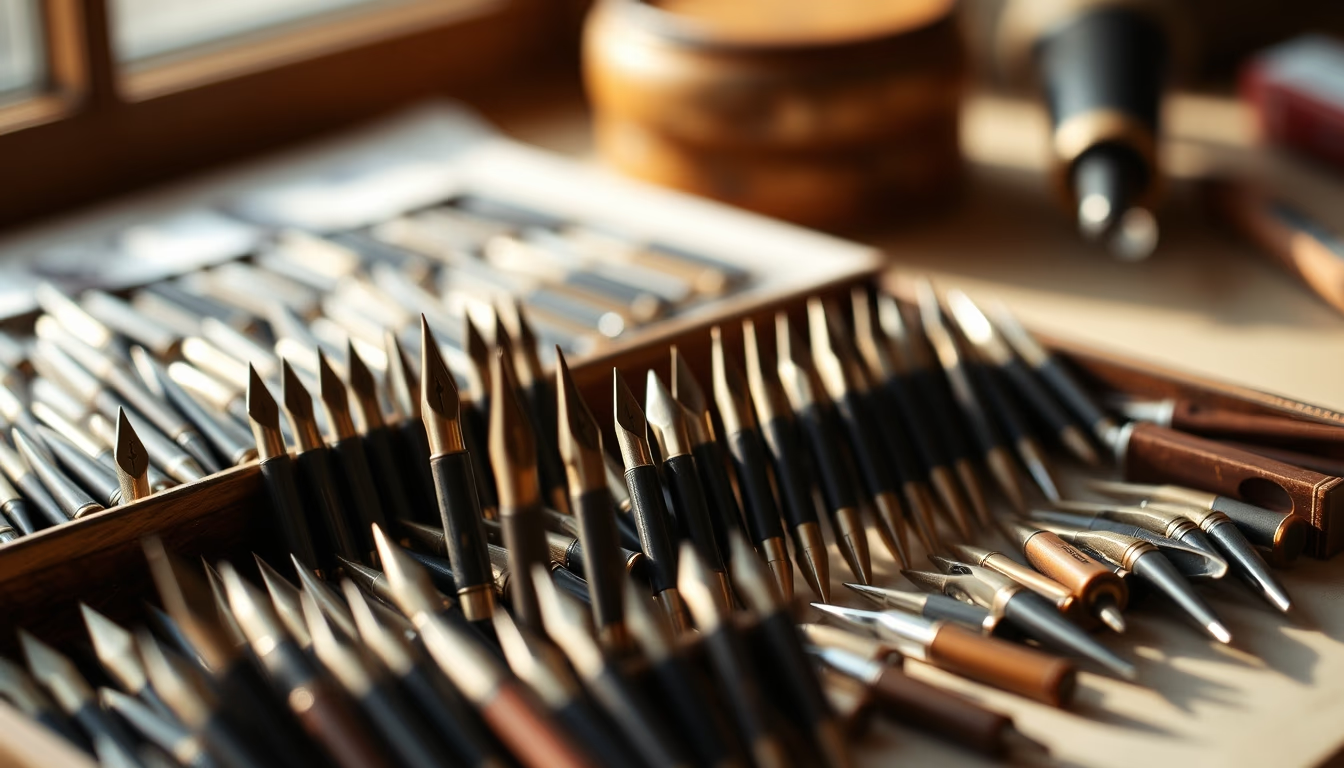
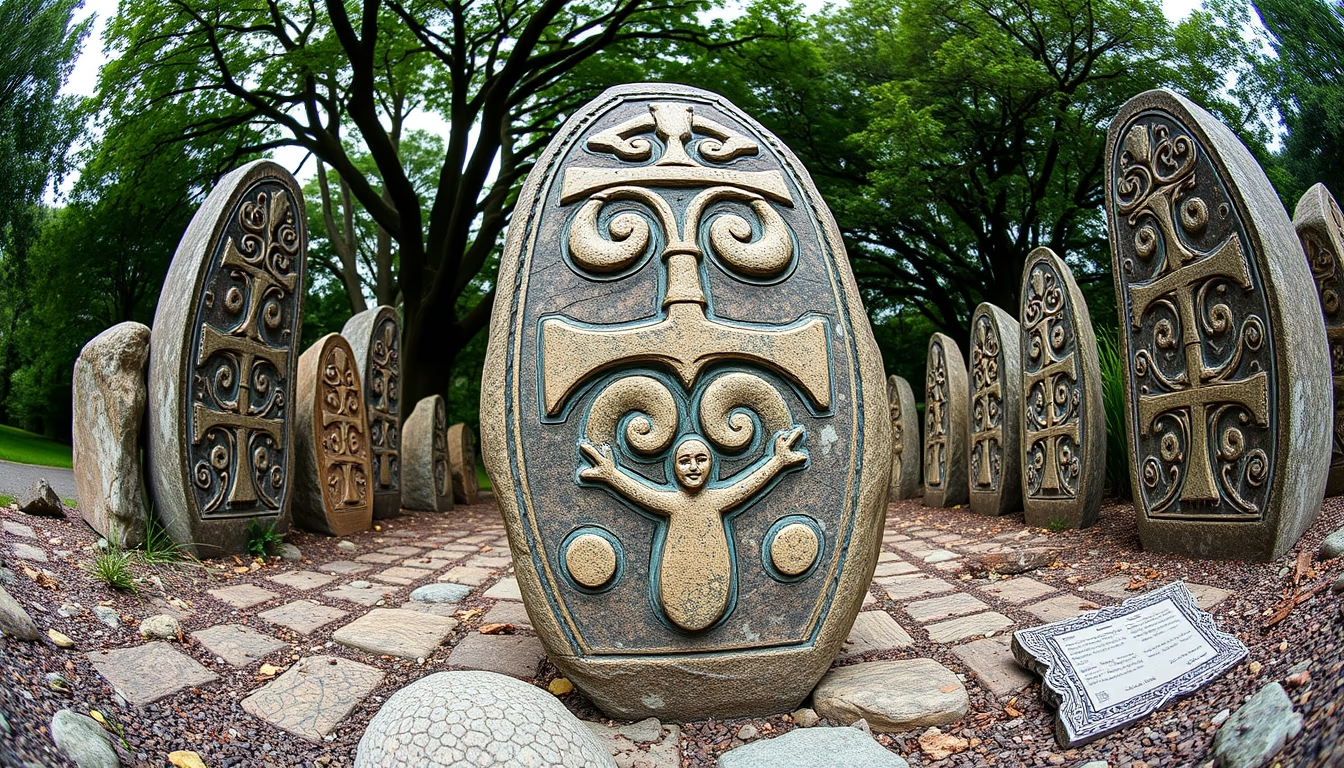
Arabic calligraphy in mosques is not merely decoration but a visual embodiment of the divine word of the Quran. Since early Islam, Arabic script evolved into styles such as Kufic, geometric and angular, used in architectural inscriptions, and Naskh, more cursive, ideal for Quran copies. Thuluth, with its elegant proportions and sweeping curves, is often employed in monumental titles and verses.
Lighting plays a crucial role in enhancing calligraphy. Dramatic light techniques, like Rembrandt lighting, create deep shadows that accentuate the relief of letters carved in stone, wood, or plaster. Historic mosques, such as the Sultan Ahmed Mosque in Istanbul and the Great Mosque of Cordoba, use strategically placed windows to illuminate inscriptions throughout the day.
Beyond aesthetics, calligraphy carries deep spiritual significance. Each letter is crafted with reverence, as it beautifies the divine message. Master calligraphers spend decades perfecting their art, following precise rules of proportion and rhythm. The presence of calligraphy in mosques also serves as a visual guide for worshippers, indicating qibla directions or verses for meditation.
In contemporary contexts, artists blend traditional calligraphy with modern lighting techniques, creating installations that interact with architectural space. The use of strong contrasts between light and shadow not only highlights calligraphic strokes but also evokes the contemplative, reverent atmosphere typical of Islamic sacred environments.
Frequently Asked Questions
Why is Arabic calligraphy considered a sacred art in Islam?
Because it is used to write verses of the Quran, the word of God revealed to Prophet Muhammad. Embellishing these texts with calligraphy is a way to honor and venerate the divine message, and the art is practiced with devotion and strict rules.
What are the main styles of Arabic calligraphy found in mosques?
The most common styles are Kufic (angular and geometric), Naskh (cursive and legible), and Thuluth (monumental with sweeping curves). Each has specific applications, from stone inscriptions to panel titles.
How is lighting used to highlight calligraphy in mosques?
High windows and strategically placed openings create beams of light that fall on the inscriptions, generating dramatic shadows that accentuate the relief of the letters. This technique, similar to Rembrandt lighting, emphasizes the details and depth of the calligraphy.
Direct URL
https://pub-c7d6a6ea828543ac903a74a341ccb2e1.r2.dev/imagens/arabic-calligraphy-mosque-rembrandt-lighting-dramatic-shadows-fresh6.avifHow to credit
Include a visible link back to UtilizAí. Copy one of the snippets below:
<a href="https://xn--utiliza-eza.com/en/midia/imagens/arabic-calligraphy-mosque-rembrandt-lighting-dramatic-shadows-fresh6">Arabic calligraphy mosque</a> by <a href="https://xn--utiliza-eza.com">UtilizAí</a>, licensed under <a href="https://creativecommons.org/licenses/by/4.0/">CC BY 4.0</a>.
[Arabic calligraphy mosque](https://xn--utiliza-eza.com/en/midia/imagens/arabic-calligraphy-mosque-rembrandt-lighting-dramatic-shadows-fresh6) by [UtilizAí](https://xn--utiliza-eza.com), CC BY 4.0
License: CC-BY-4.0