Arabic calligraphy mosque
1344×768 · AVIF · CC BY 4.0
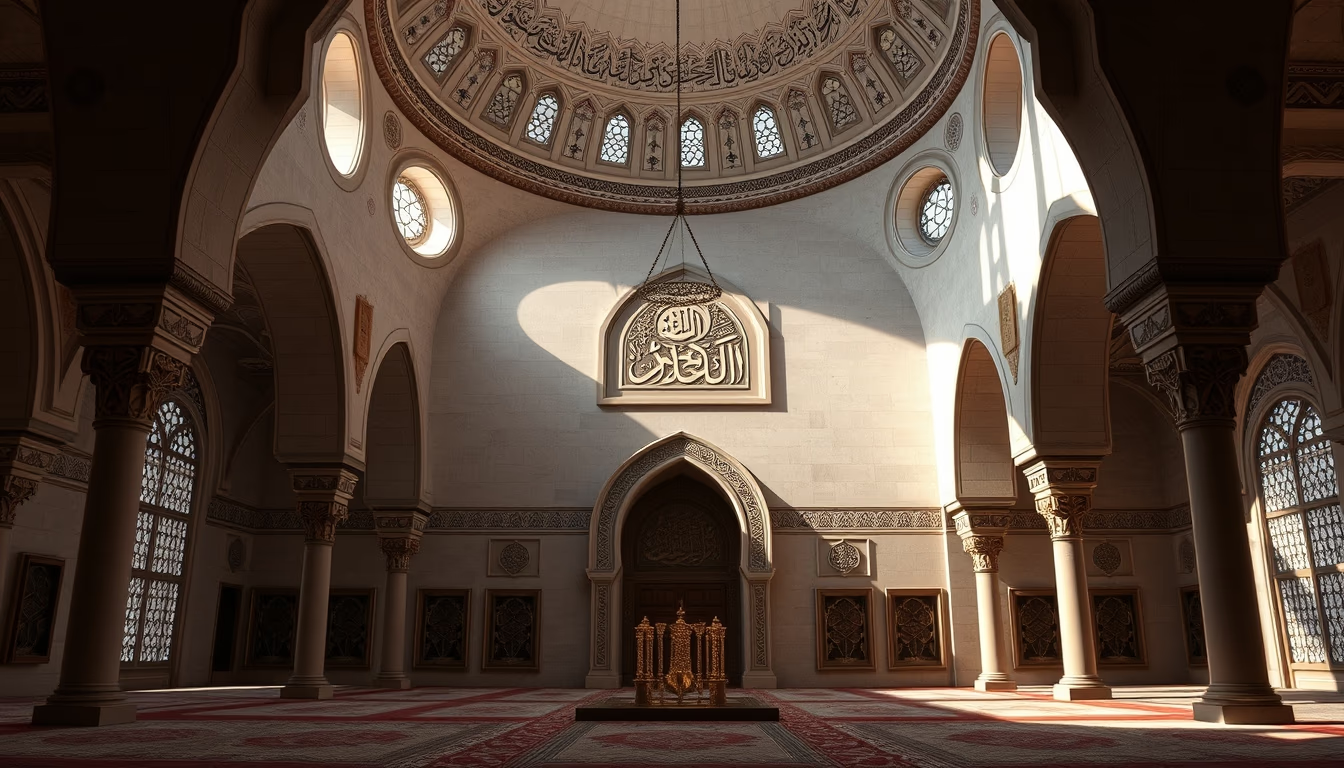
Arabic calligraphy in mosques is not just decoration but an artistic and religious expression that has preserved Quranic verses for centuries.
About this subject
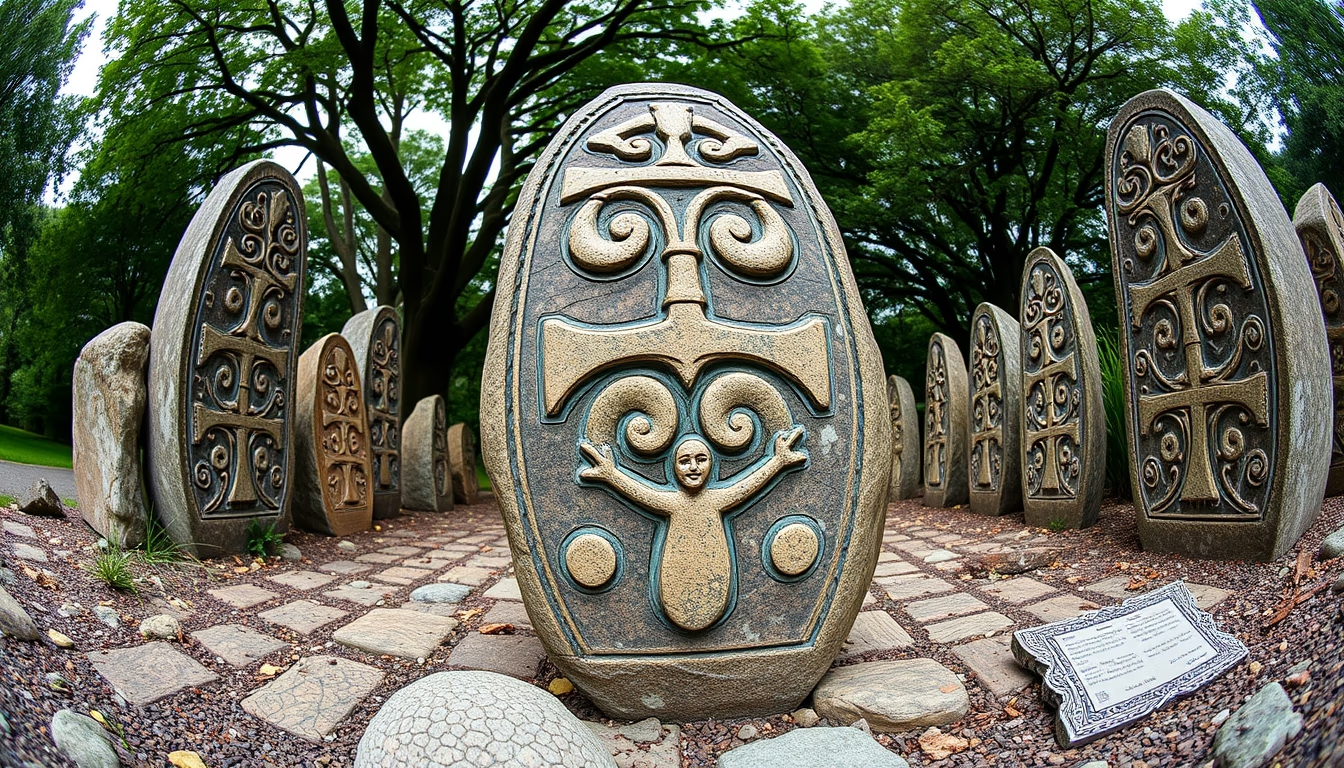
Arabic calligraphy, or khatt, is one of the most revered art forms in the Islamic world, especially when applied in mosques. Since the 7th century, writing Quranic verses on panels, mihrabs (prayer niches), and domes has become a tradition combining faith and aesthetics. Mosques often feature Kufic script, one of the earliest Arabic scripts with angular, geometric forms, or the more fluid Thuluth style used for titles and monumental inscriptions. The Prophet's Mosque in Medina and the Blue Mosque in Istanbul are iconic examples, where verses like Ayat al-Kursi (Throne Verse) are carved into tiles or marble, visually conveying the divine message.
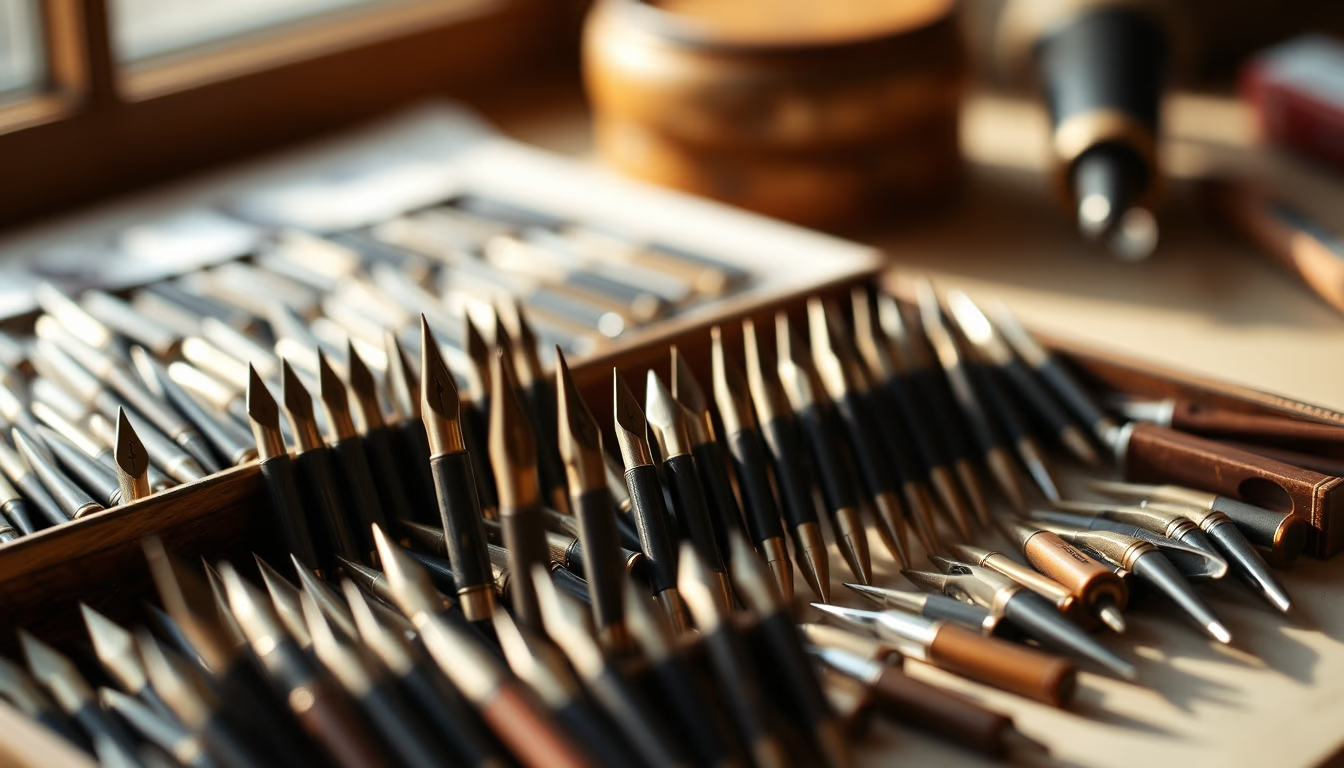
The technique of applying calligraphy in religious architecture demands precision and mastery of proportions. Artists like Ibn Muqla (10th century) systematized proportion rules based on circles and dots, influencing generations. In the Great Mosque of Córdoba, Spain, gold Kufic inscriptions contrast with horseshoe arches, while in the Hassan II Mosque in Casablanca, Morocco, carved and stained glass allow light to enhance the letters. Each letter is designed to harmonize with the space, often repeating the name of Allah or the Prophet Muhammad in symmetrical patterns.
Beyond decoration, calligraphy serves as a constant reminder of God's word for worshippers. In contemporary mosques, architects blend tradition and modernity using laser-cut steel or digital projections to create inscriptions that interact with natural light. UNESCO recognized Arabic calligraphy as an Intangible Cultural Heritage of Humanity in 2021, highlighting its role in transmitting knowledge and cultural identity. The practice remains vibrant in countries like Egypt, Iran, and Turkey, where calligraphy schools train new artists who renew this ancient art.
Frequently Asked Questions
What is the most common calligraphy style in mosques?
The most common style is Thuluth, used for monumental inscriptions, followed by Kufic, which is more geometric and ancient. Both appear on mihrabs, domes, and panels.
Why is calligraphy so important in Islamic art?
Because figurative representation is avoided in religious contexts, and writing the Quran becomes the main visual expression of faith. Calligraphy also reflects the beauty of the divine word.
How is mosque calligraphy made today?
Today, artists use traditional techniques like stone carving and tilework, as well as modern methods such as laser cutting and digital projections, always respecting classical proportions.
Direct URL
https://pub-c7d6a6ea828543ac903a74a341ccb2e1.r2.dev/imagens/arabic-calligraphy-mosque-magazine-editorial-fresh14.avifHow to credit
Include a visible link back to UtilizAí. Copy one of the snippets below:
<a href="https://xn--utiliza-eza.com/en/midia/imagens/arabic-calligraphy-mosque-magazine-editorial-fresh14">Arabic calligraphy mosque</a> by <a href="https://xn--utiliza-eza.com">UtilizAí</a>, licensed under <a href="https://creativecommons.org/licenses/by/4.0/">CC BY 4.0</a>.
[Arabic calligraphy mosque](https://xn--utiliza-eza.com/en/midia/imagens/arabic-calligraphy-mosque-magazine-editorial-fresh14) by [UtilizAí](https://xn--utiliza-eza.com), CC BY 4.0
License: CC-BY-4.0