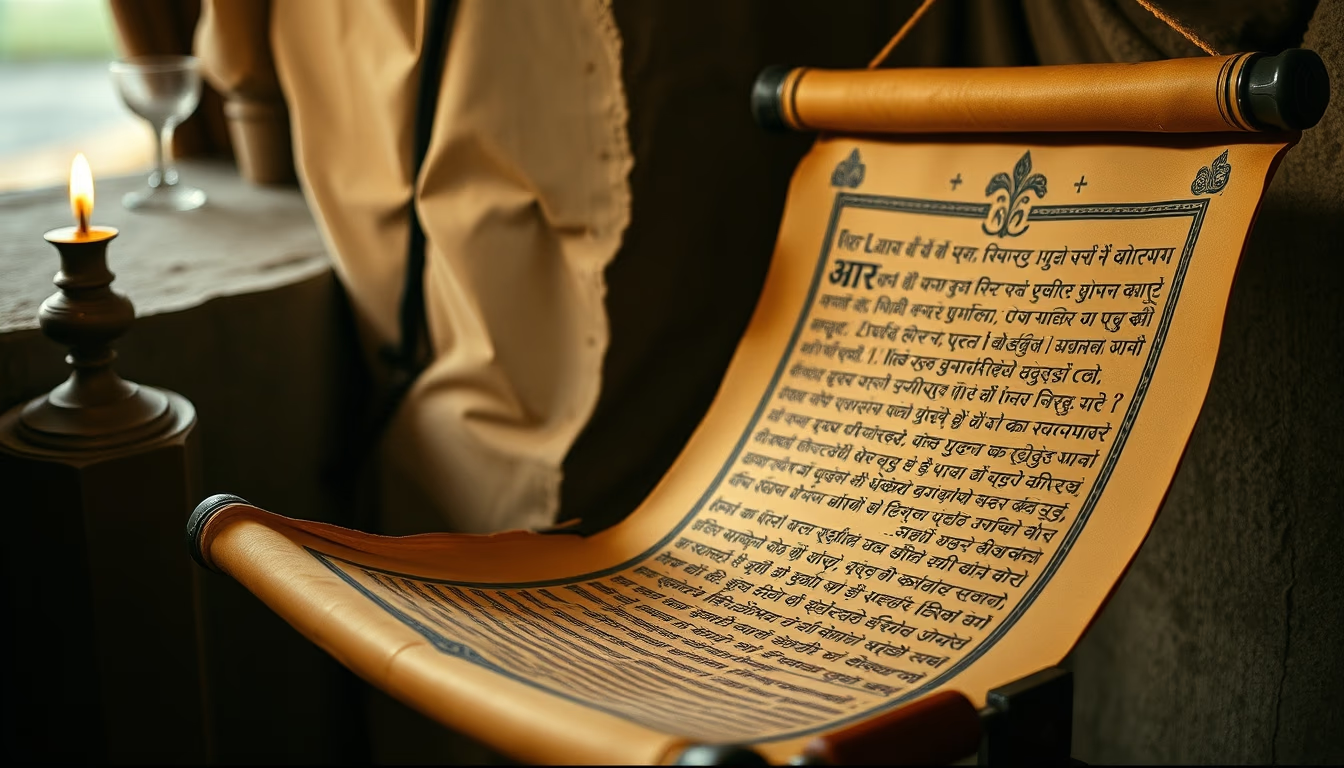
Arabic calligraphy mosque
1344×768 · AVIF · CC BY 4.0
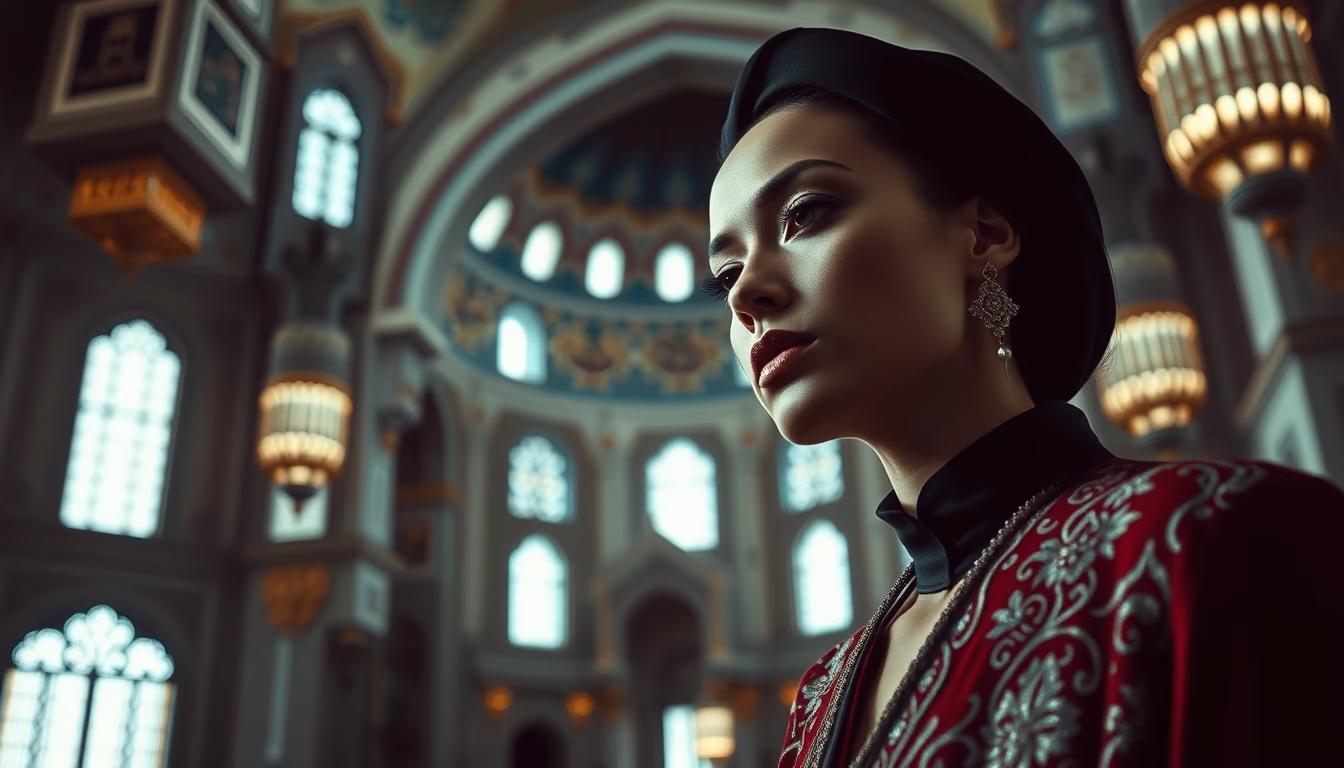
Arabic calligraphy in mosques: Islamic art blending faith, geometry, and aesthetics, now also inspiring high-fashion editorials.
About this subject
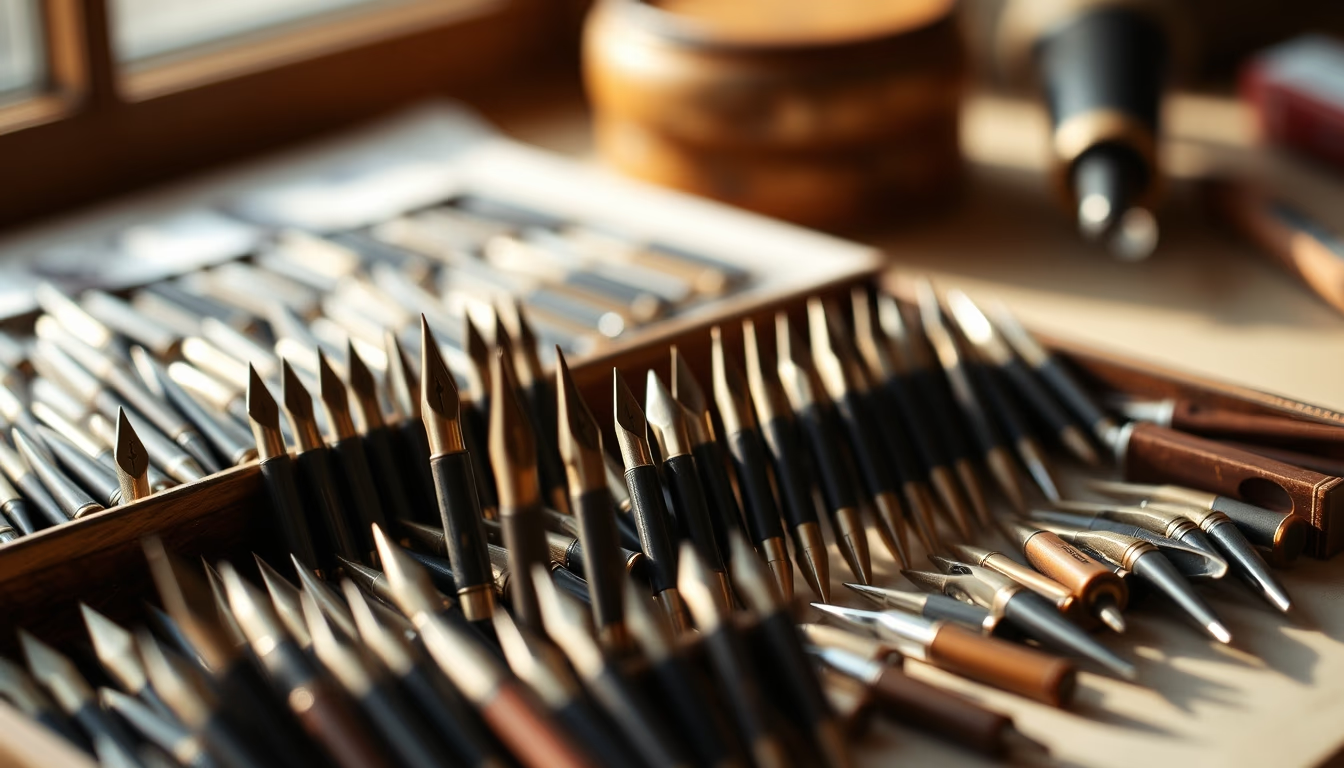
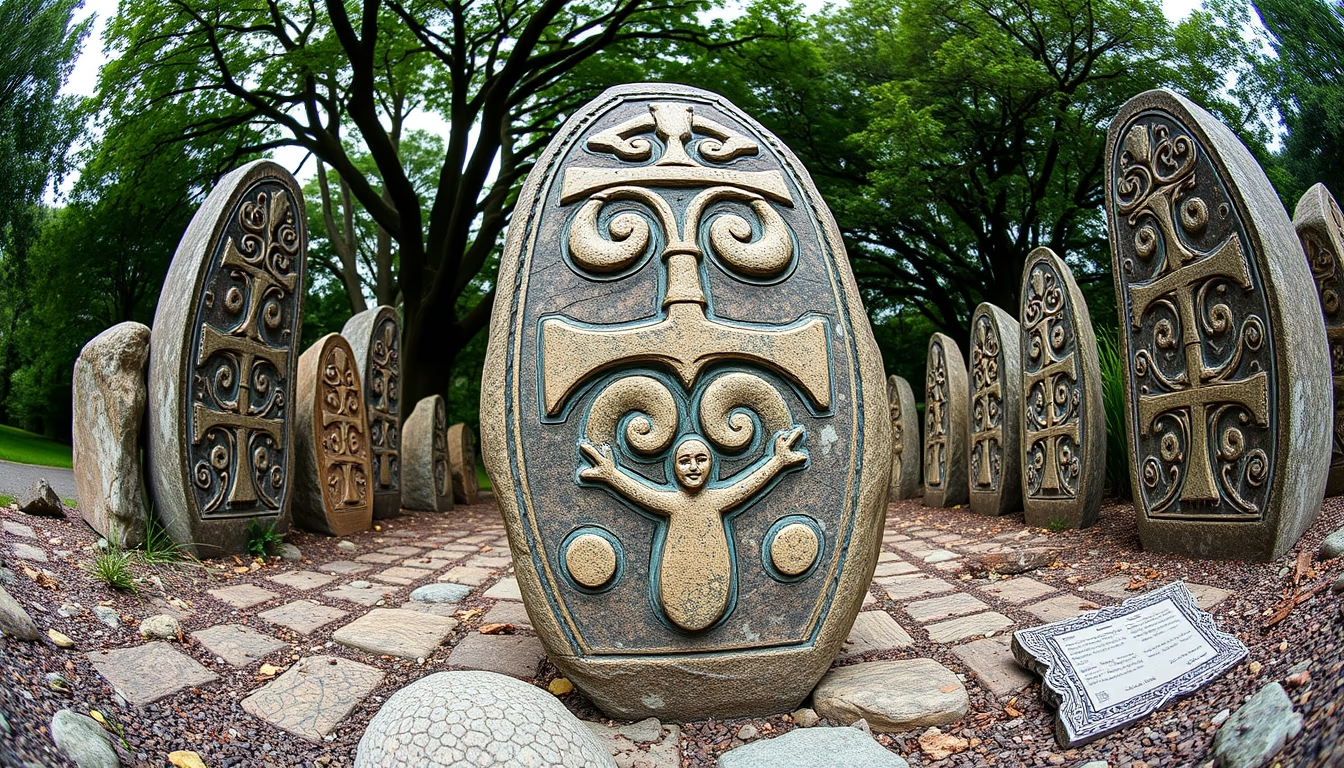
Arabic calligraphy is a central artistic expression in Islamic culture, especially in mosques, where it adorns mihrabs, domes, and walls with verses from the Quran. Unlike figurative art, calligraphy allows the divine word to be represented in a stylized manner, following Islam's aniconic tradition. The best-known styles include Kufic, geometric and angular, used in ancient architectural inscriptions, and Naskh, fluid and legible, common in manuscripts. Thuluth, with its elegant curves, is often employed in titles and large panels in mosques such as the Sultan Ahmed Mosque in Istanbul.
Historically, Arabic calligraphy evolved from the 7th century, with regional schools in Iraq, Persia, and Turkey. Calligrapher Ibn Muqla established the first proportional rules in the 10th century, while Yaqut al-Musta'simi refined cursive styles. In mosques, calligraphy is not merely decorative; it carries theological meaning, highlighting God's oneness and the beauty of the Quran. Notable examples include the Dome of the Rock in Jerusalem, with mosaic verses in Kufic, and the Mosque of Cordoba, with stucco inscriptions.
In recent years, Arabic calligraphy has transcended its religious context to inspire high-fashion editorial design. Designers like Lebanese Elie Saab and Moroccan Karim Adduchi incorporate Arabic letters into their collections, merging tradition with avant-garde. Fashion editorials photographed in mosques or using calligraphic patterns create a dialogue between the sacred and the contemporary. This fusion values Islamic heritage while reinserting it into global visual culture, always with respect and innovation.
Frequently Asked Questions
Why is Arabic calligraphy used in mosques?
Arabic calligraphy is used in mosques to adorn the space with the word of God (the Quran) while respecting Islam's aniconic tradition, which avoids figurative representations. It combines aesthetics and spirituality, reminding worshippers of the divine message.
What are the main styles of Arabic calligraphy?
The main styles are Kufic (geometric and ancient), Naskh (fluid for copying), Thuluth (cursive and decorative), Diwani (used in official documents), and Riqa (simplified for everyday writing). Each has specific proportional rules and purposes.
How has Arabic calligraphy influenced high-fashion editorials?
Arabic calligraphy inspires high-fashion editorials through its visual beauty and cultural depth. Designers incorporate letters into fabrics, prints, and accessories, creating pieces that blend Islamic tradition with contemporary concepts. Editorials in fashion magazines often use calligraphic backdrops to evoke exoticism and elegance.
Direct URL
https://pub-c7d6a6ea828543ac903a74a341ccb2e1.r2.dev/imagens/arabic-calligraphy-mosque-high-fashion-editorial-fresh17.avifHow to credit
Include a visible link back to UtilizAí. Copy one of the snippets below:
<a href="https://xn--utiliza-eza.com/en/midia/imagens/arabic-calligraphy-mosque-high-fashion-editorial-fresh17">Arabic calligraphy mosque</a> by <a href="https://xn--utiliza-eza.com">UtilizAí</a>, licensed under <a href="https://creativecommons.org/licenses/by/4.0/">CC BY 4.0</a>.
[Arabic calligraphy mosque](https://xn--utiliza-eza.com/en/midia/imagens/arabic-calligraphy-mosque-high-fashion-editorial-fresh17) by [UtilizAí](https://xn--utiliza-eza.com), CC BY 4.0
License: CC-BY-4.0