Arabic calligraphy mosque
1344×768 · AVIF · CC BY 4.0
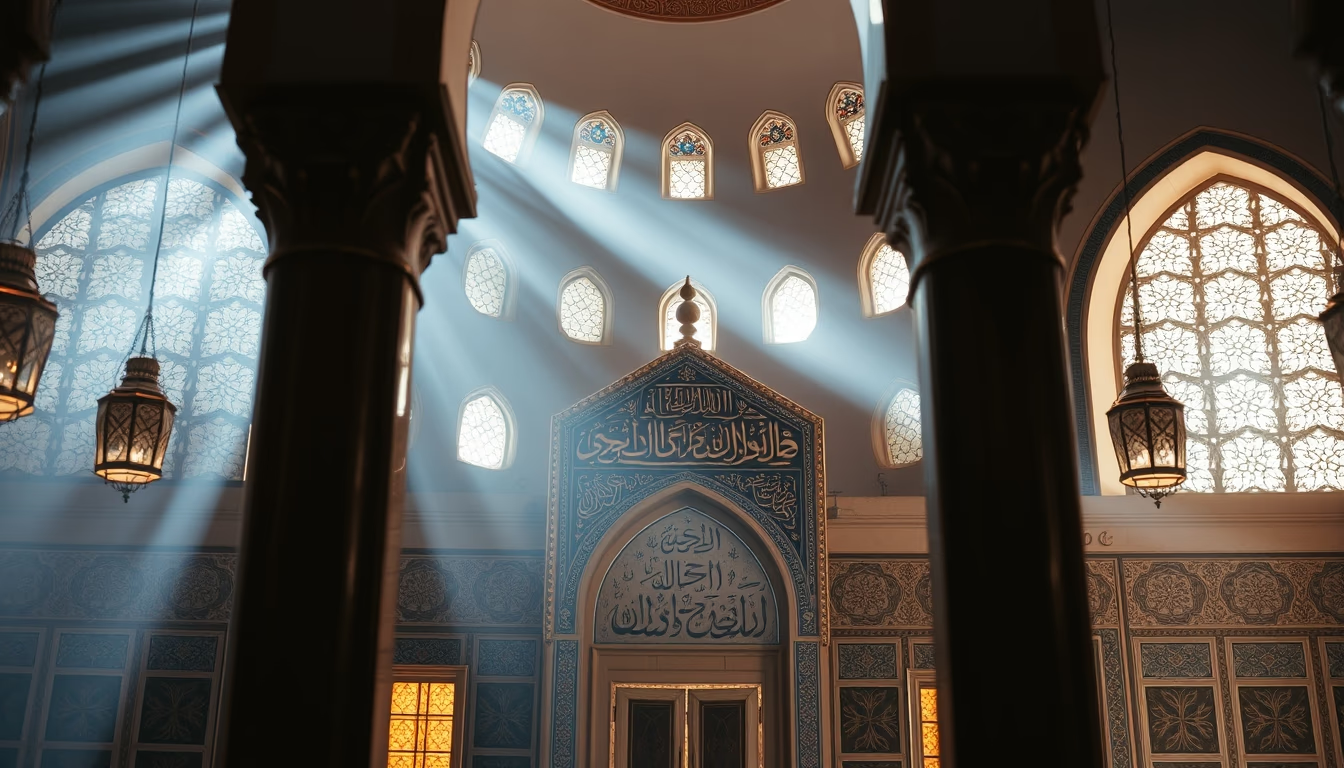
Arabic calligraphy in mosques combines art, faith, and architecture, with Quranic verses carved into walls and domes.
About this subject
Arabic calligraphy is a revered art form in the Islamic world, appearing in mosques since the 7th century. Calligraphic inscriptions adorn mihrabs (prayer niches), minbars (pulpits), and domes, turning sacred spaces into galleries of divine writing. Common styles include Kufic, Naskh, and Thuluth, each with distinct proportions and fluidity. Kufic, angular and geometric, is often used on external facades, while Thuluth, cursive and elegant, decorates interiors of mosques like the Blue Mosque in Istanbul and the Sultan Hassan Mosque in Cairo.
Historically, calligraphers such as Ibn Muqla and Yaqut al-Musta'simi standardized proportion rules in the 10th century, influencing generations. In modern mosques, calligraphy not only conveys religious messages but also creates an atmosphere of aesthetic contemplation. The choice of Quranic passages is strategic: verses about light, mercy, and God's unity are common. For instance, Ayat al-Kursi (Throne Verse) is often inscribed in prominent positions.
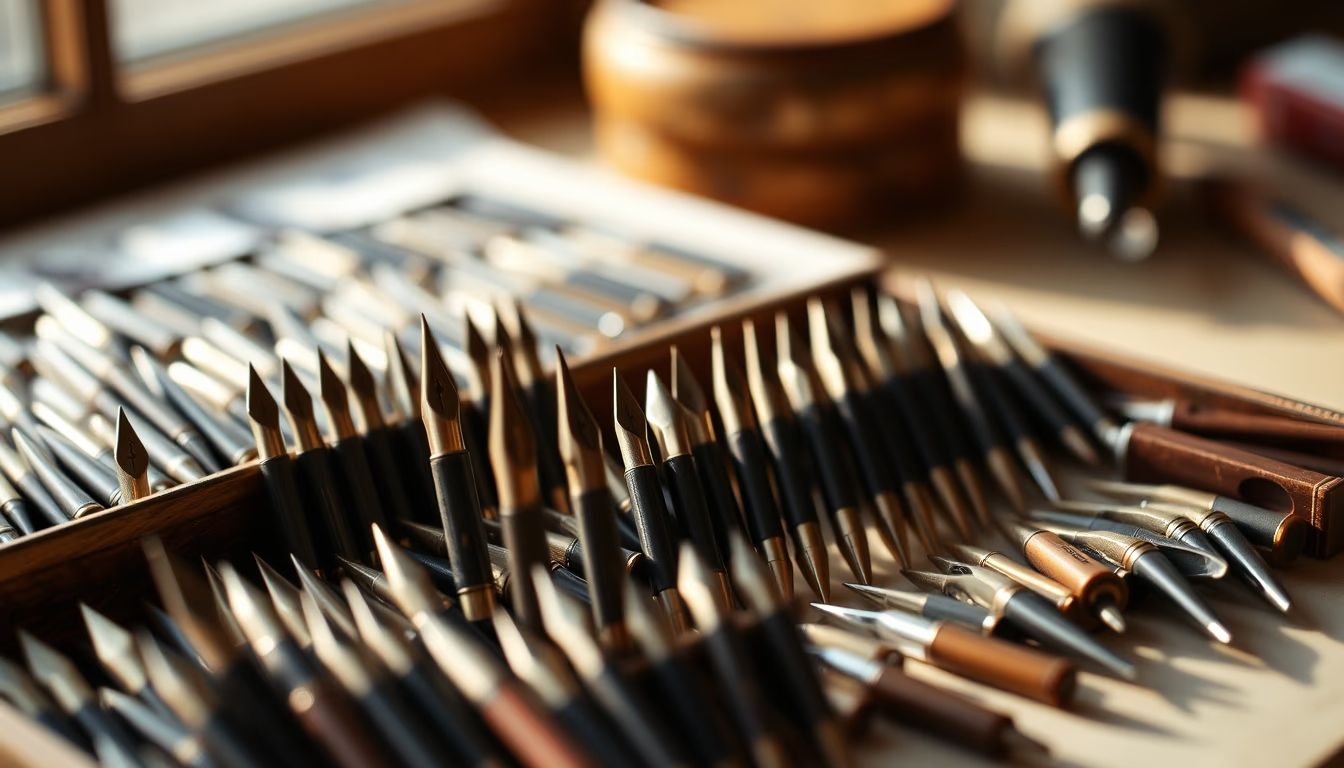
Integrating calligraphy with architectural elements requires precision. Artists carve letters into marble, wood, or tiles using relief or incision techniques. In countries like Iran, Turkey, and Morocco, freehand calligraphy is still practiced at festivals and workshops. The Sheikh Zayed Mosque in Abu Dhabi features calligraphy in gold and glass, blending tradition with innovation.
Interesting fact: the oldest Arabic style, Kufic, was developed in Kufa (Iraq) and is still used in coins and monuments. Thuluth, known as the 'mother of calligraphies,' allows variations that adapt to dome curves.
Frequently Asked Questions
What is the purpose of Arabic calligraphy in mosques?
Arabic calligraphy in mosques serves to adorn the sacred space and convey Quranic messages, promoting spiritual reflection and reverence for God.
Which calligraphy styles are most commonly used in mosques?
The most common styles are Kufic (angular and geometric), Naskh (clear and legible), and Thuluth (cursive and elegant). Thuluth is often used for monumental inscriptions.
How is calligraphy applied in mosque architecture?
It is carved into marble, wood, or tiles, in relief or incision, adapting to curved surfaces like domes and mihrabs. Artists plan proportions to harmonize with the space.
Direct URL
https://pub-c7d6a6ea828543ac903a74a341ccb2e1.r2.dev/imagens/arabic-calligraphy-mosque-fine-art-photography-fresh13.avifHow to credit
Include a visible link back to UtilizAí. Copy one of the snippets below:
<a href="https://xn--utiliza-eza.com/en/midia/imagens/arabic-calligraphy-mosque-fine-art-photography-fresh13">Arabic calligraphy mosque</a> by <a href="https://xn--utiliza-eza.com">UtilizAí</a>, licensed under <a href="https://creativecommons.org/licenses/by/4.0/">CC BY 4.0</a>.
[Arabic calligraphy mosque](https://xn--utiliza-eza.com/en/midia/imagens/arabic-calligraphy-mosque-fine-art-photography-fresh13) by [UtilizAí](https://xn--utiliza-eza.com), CC BY 4.0
License: CC-BY-4.0