Arabic calligraphy mosque
1344×768 · AVIF · CC BY 4.0
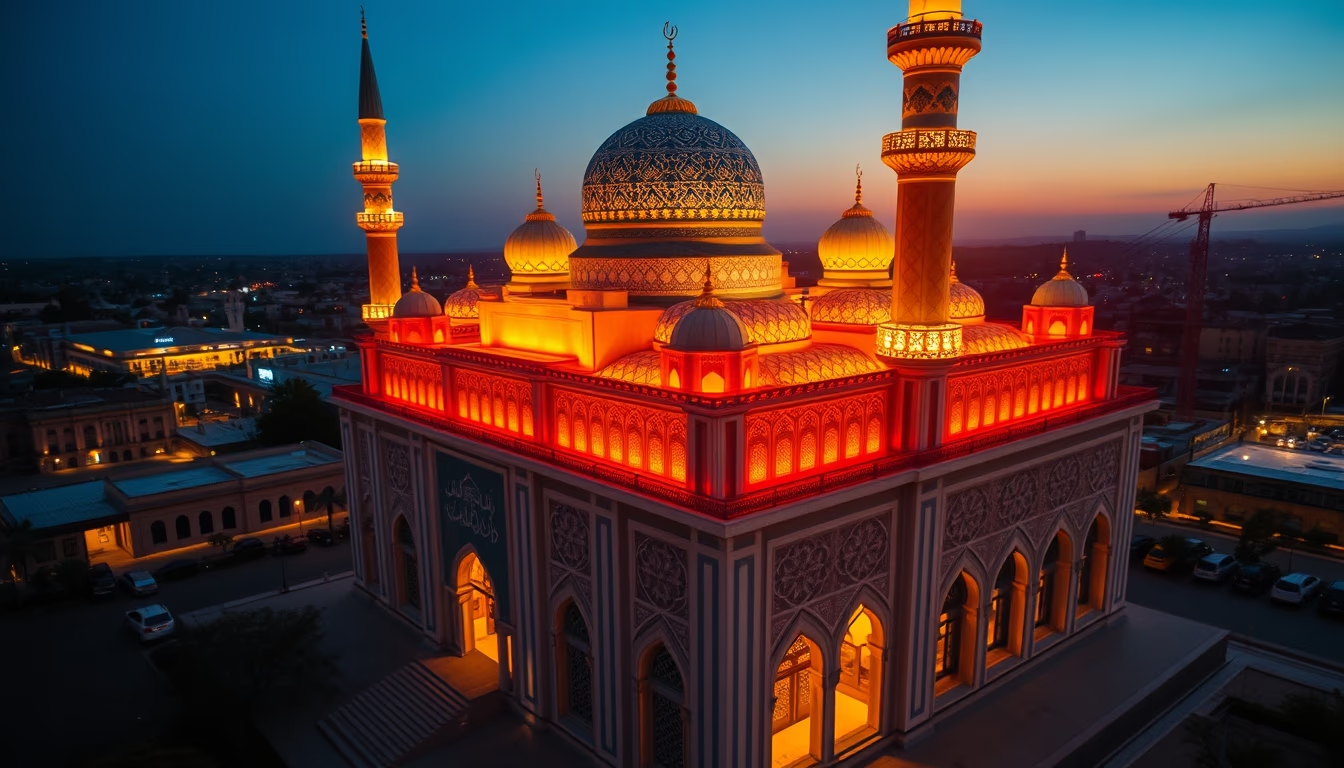
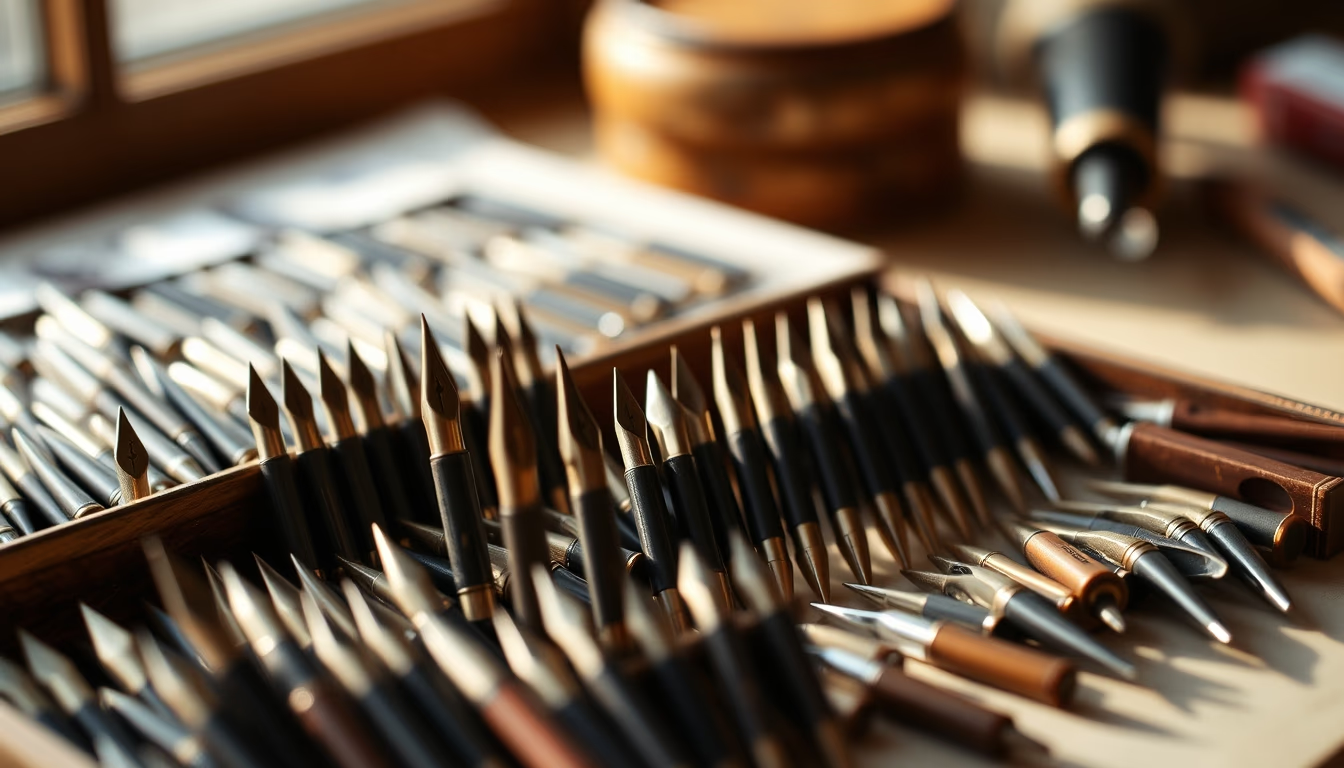
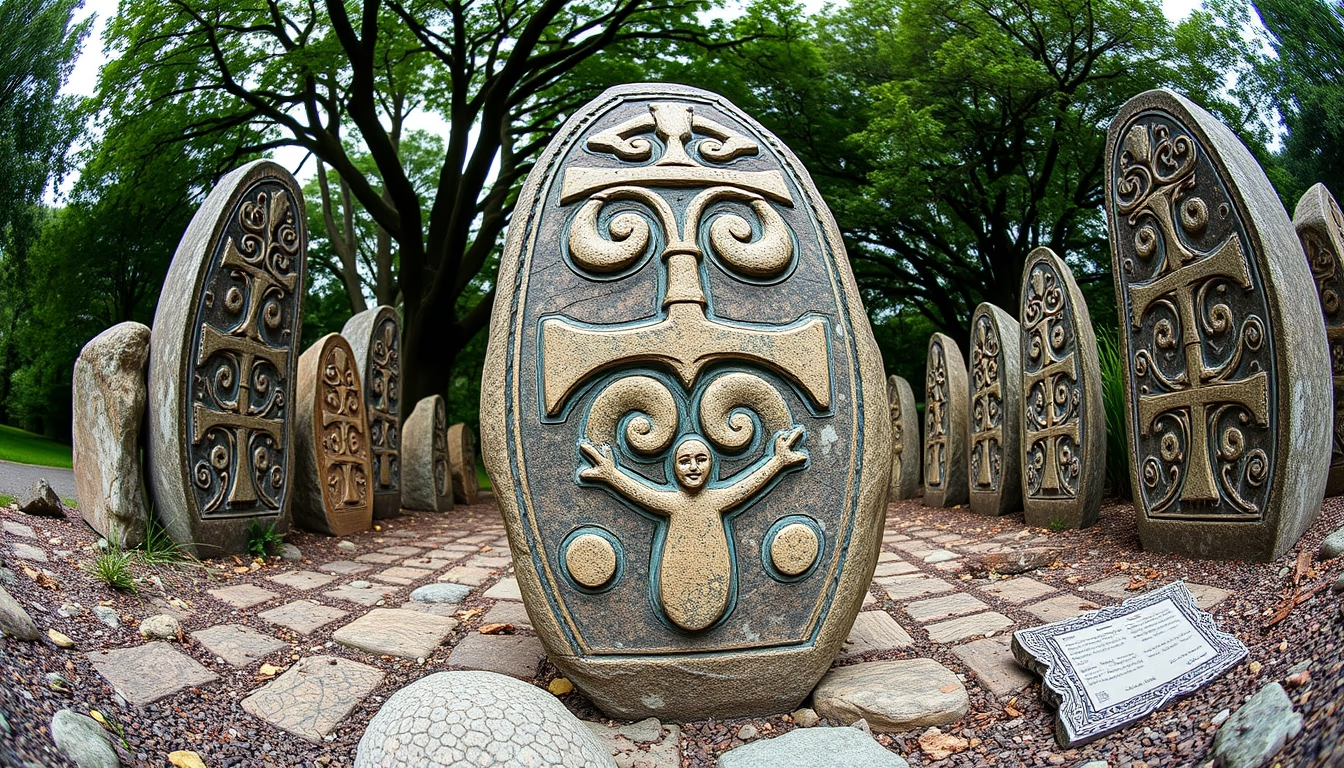
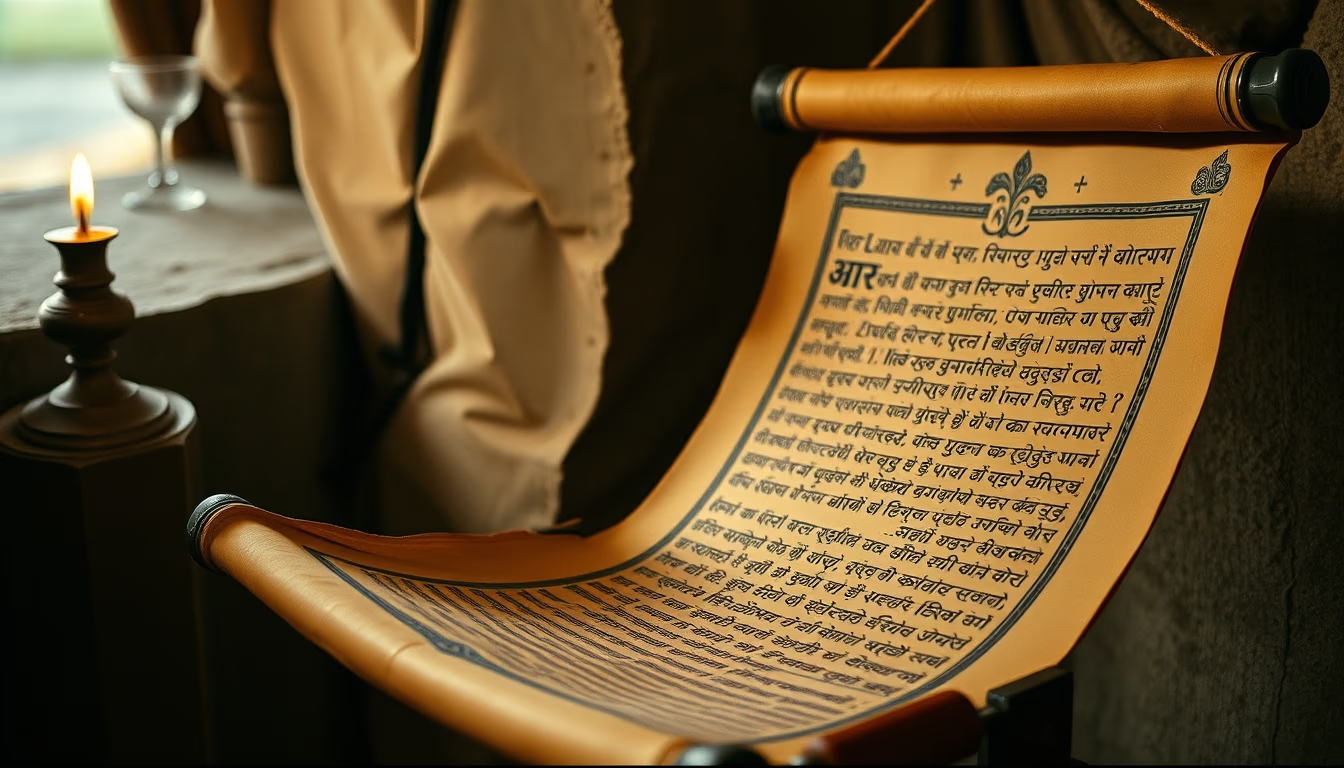
Arabic calligraphy in mosques blends art and faith, with Quranic verses carved in stone, wood, or tiles, creating geometric and floral patterns that guide worshippers.
About this subject
Arabic calligraphy is a sacred art form in Islam, often used to decorate mosques worldwide. Since the 7th century, Quranic verses have been inscribed on walls, domes, and mihrabs (niches indicating the direction of Mecca). Common styles include Kufic, angular and geometric, and Naskh, cursive and fluid. In Istanbul's Blue Mosque, over 20,000 Iznik tiles display elaborate calligraphy. In Cairo's Sultan Hassan Mosque, stone inscriptions adorn the minarets. Calligraphy not only beautifies but also conveys religious messages, such as the 99 names of God or excerpts from Surah Al-Fatiha. The choice of style and material varies by region: in the Maghreb, the Maghrebi style with pronounced curves prevails; in Persia, Ta'liq is more common. Techniques like arabesque (intertwining vegetal patterns) often accompany the letters, creating visual harmony that invites contemplation. Contemporary mosques, such as the Sheikh Zayed Grand Mosque in Abu Dhabi, incorporate calligraphy in white marble and gold, keeping the tradition alive.
Frequently Asked Questions
What is the significance of Arabic calligraphy in mosques?
Arabic calligraphy in mosques serves decorative and religious purposes: it exalts God's word, guides worshippers during prayer, and symbolizes divine beauty. Quranic verses are chosen to inspire devotion and reflection.
What are the main styles of calligraphy used in mosques?
The most common styles are Kufic (angular, geometric, used in early inscriptions) and Naskh (cursive, more legible, popular in manuscripts). Others include Maghrebi, Ta'liq, and Diwani, each with regional characteristics.
How is calligraphy integrated into mosque architecture?
Calligraphy is carved in stone, painted on tiles, carved in wood, or applied in plaster. It typically appears on walls, the mihrab, the dome, and minarets, combined with arabesques and geometric patterns.
Direct URL
https://pub-c7d6a6ea828543ac903a74a341ccb2e1.r2.dev/imagens/arabic-calligraphy-mosque-aerial-drone-shot-fresh10.avifHow to credit
Include a visible link back to UtilizAí. Copy one of the snippets below:
<a href="https://xn--utiliza-eza.com/en/midia/imagens/arabic-calligraphy-mosque-aerial-drone-shot-fresh10">Arabic calligraphy mosque</a> by <a href="https://xn--utiliza-eza.com">UtilizAí</a>, licensed under <a href="https://creativecommons.org/licenses/by/4.0/">CC BY 4.0</a>.
[Arabic calligraphy mosque](https://xn--utiliza-eza.com/en/midia/imagens/arabic-calligraphy-mosque-aerial-drone-shot-fresh10) by [UtilizAí](https://xn--utiliza-eza.com), CC BY 4.0
License: CC-BY-4.0