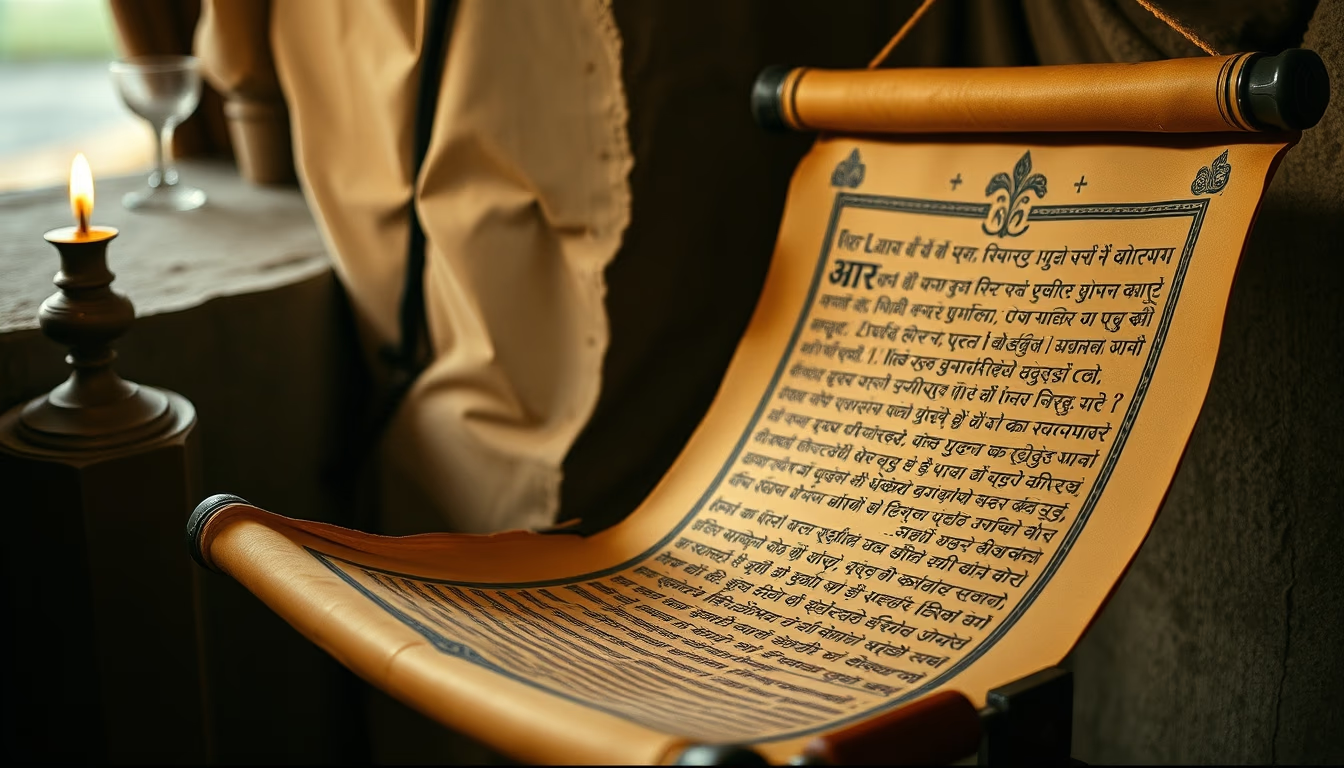
Arabic calligraphy ink
1344×768 · AVIF · CC BY 4.0

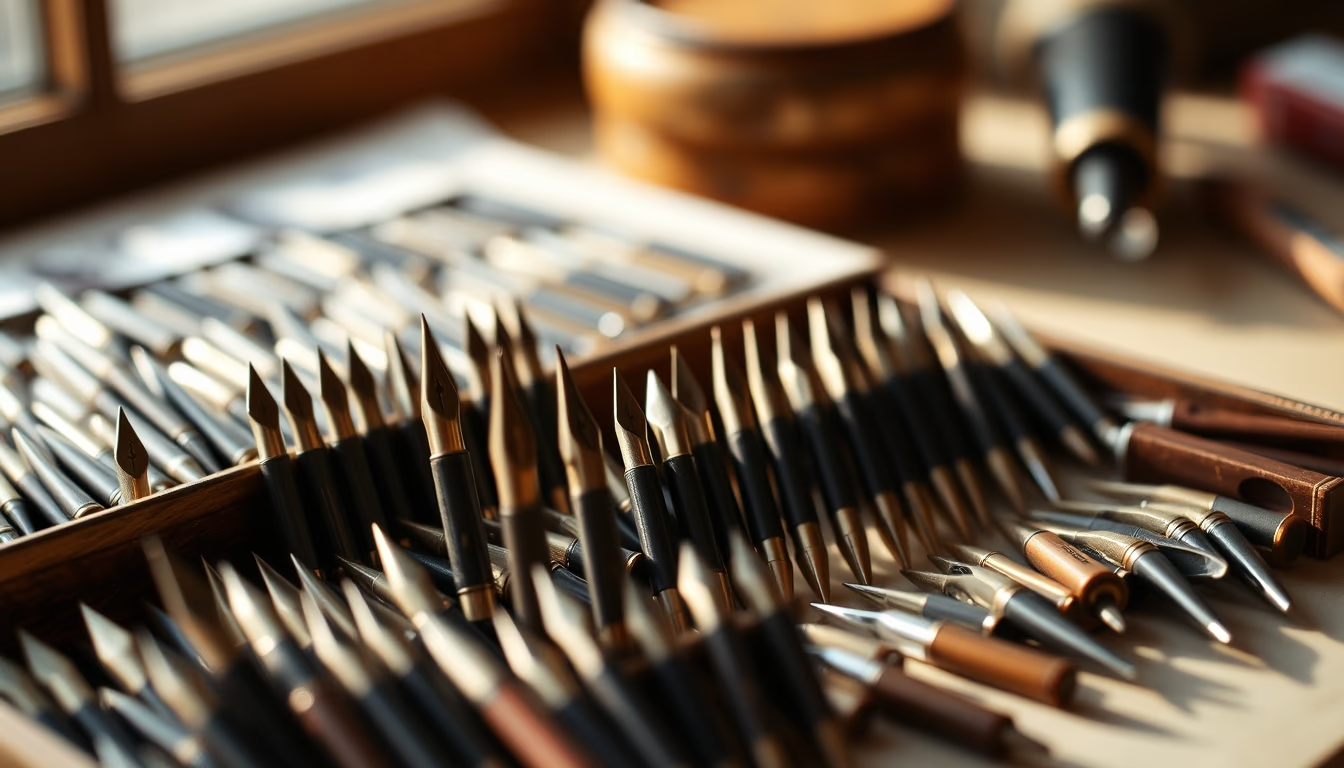
Ink for Arabic calligraphy, traditionally made with soot and gum arabic, used for centuries in Islamic art.
About this subject
Arabic calligraphy ink is a fundamental element in the art of Islamic writing. Unlike Western inks, its traditional composition includes soot (usually from sesame oil or lampblack) mixed with gum arabic as a binder, along with water and sometimes additives like honey or musk. This formula produces a deep, matte black that does not reflect light, ideal for highlighting the fluidity of calligraphic strokes.
Historically, ink was prepared manually by calligraphers following recipes passed down through generations. The process involved burning oils or woods in controlled conditions to obtain pure soot, which was then ground for hours with the binder. This technique ensured an ink that did not fade over time, as seen in ancient manuscripts preserved in libraries such as Topkapi or the National Library of Cairo.
In Islamic culture, calligraphy is considered the highest form of art, and ink is more than just a material: it carries spiritual symbolism. The black color, derived from soot, represents the transcendence of the divine. Renowned calligraphers like Ibn Muqla and Hattat Aziz Effendi were dedicated not only to the strokes but also to the preparation of their ink, treating it as part of the meditative process of writing.
Today, many artists still produce their own ink for high-quality work, although industrial versions are available. Modern Arabic calligraphy ink may include synthetic pigments for greater consistency, but purists prefer the traditional recipe. The soot's source (sesame oil, musk, etc.) provides subtle tonal nuances prized by experts. The choice of ink also depends on the support: smooth paper, parchment, or ceramic require different viscosities.
Frequently Asked Questions
What is traditional Arabic calligraphy ink made of?
Traditional ink is made from soot (usually from sesame oil or lampblack), gum arabic as a binder, water, and occasionally additives like honey or musk. This combination yields a matte, durable black.
Why is Arabic calligraphy ink special?
It is special for its handcrafted composition and spiritual symbolism. The black color from soot represents divine transcendence, and manual preparation is considered part of the artistic and meditative process of calligraphy.
How does ink affect calligraphy quality?
Ink viscosity and opacity directly affect stroke flow and curve clarity. Well-prepared ink allows smooth undulations without smudges, essential for the precision required in Arabic calligraphy.
Direct URL
https://pub-c7d6a6ea828543ac903a74a341ccb2e1.r2.dev/imagens/arabic-calligraphy-ink-lo-fi-disposable-camera-fresh17.avifHow to credit
Include a visible link back to UtilizAí. Copy one of the snippets below:
<a href="https://xn--utiliza-eza.com/en/midia/imagens/arabic-calligraphy-ink-lo-fi-disposable-camera-fresh17">Arabic calligraphy ink</a> by <a href="https://xn--utiliza-eza.com">UtilizAí</a>, licensed under <a href="https://creativecommons.org/licenses/by/4.0/">CC BY 4.0</a>.
[Arabic calligraphy ink](https://xn--utiliza-eza.com/en/midia/imagens/arabic-calligraphy-ink-lo-fi-disposable-camera-fresh17) by [UtilizAí](https://xn--utiliza-eza.com), CC BY 4.0
License: CC-BY-4.0