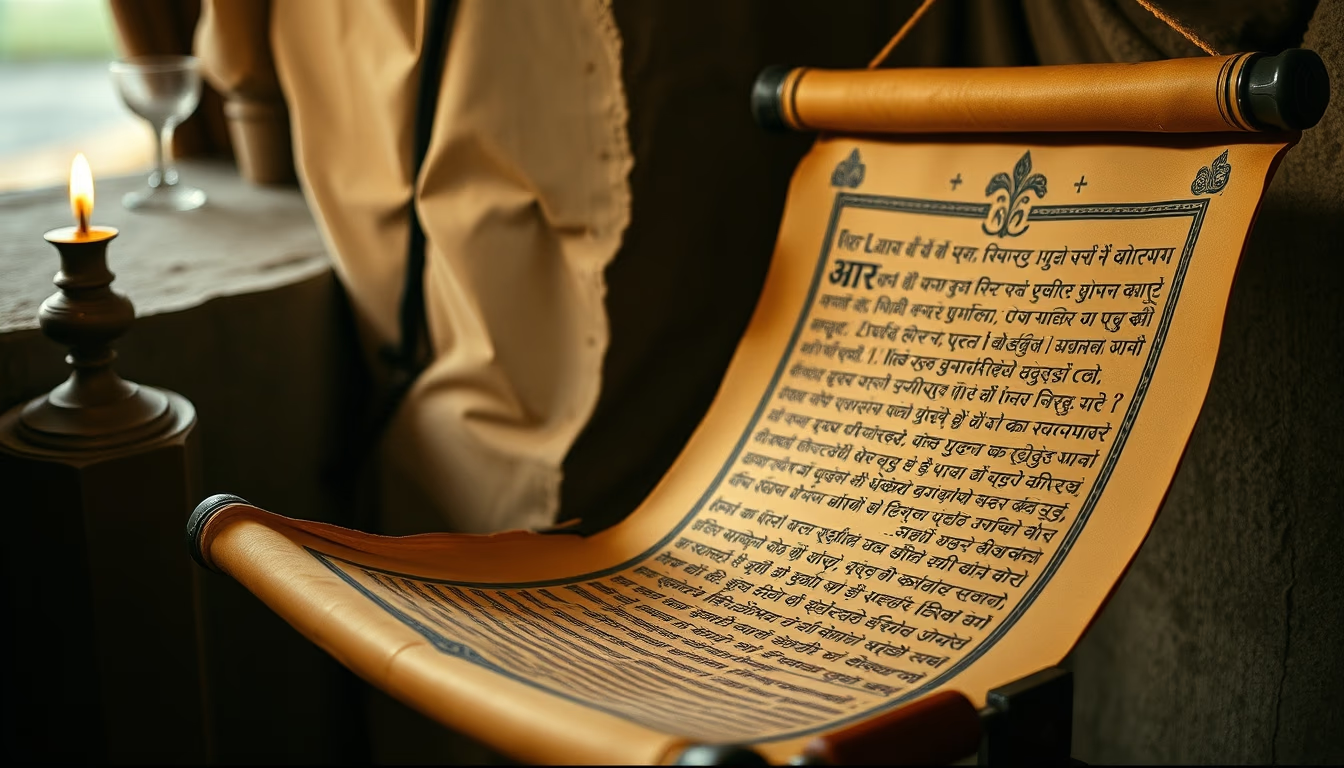
Arabic calligraphy ink
1344×768 · AVIF · CC BY 4.0
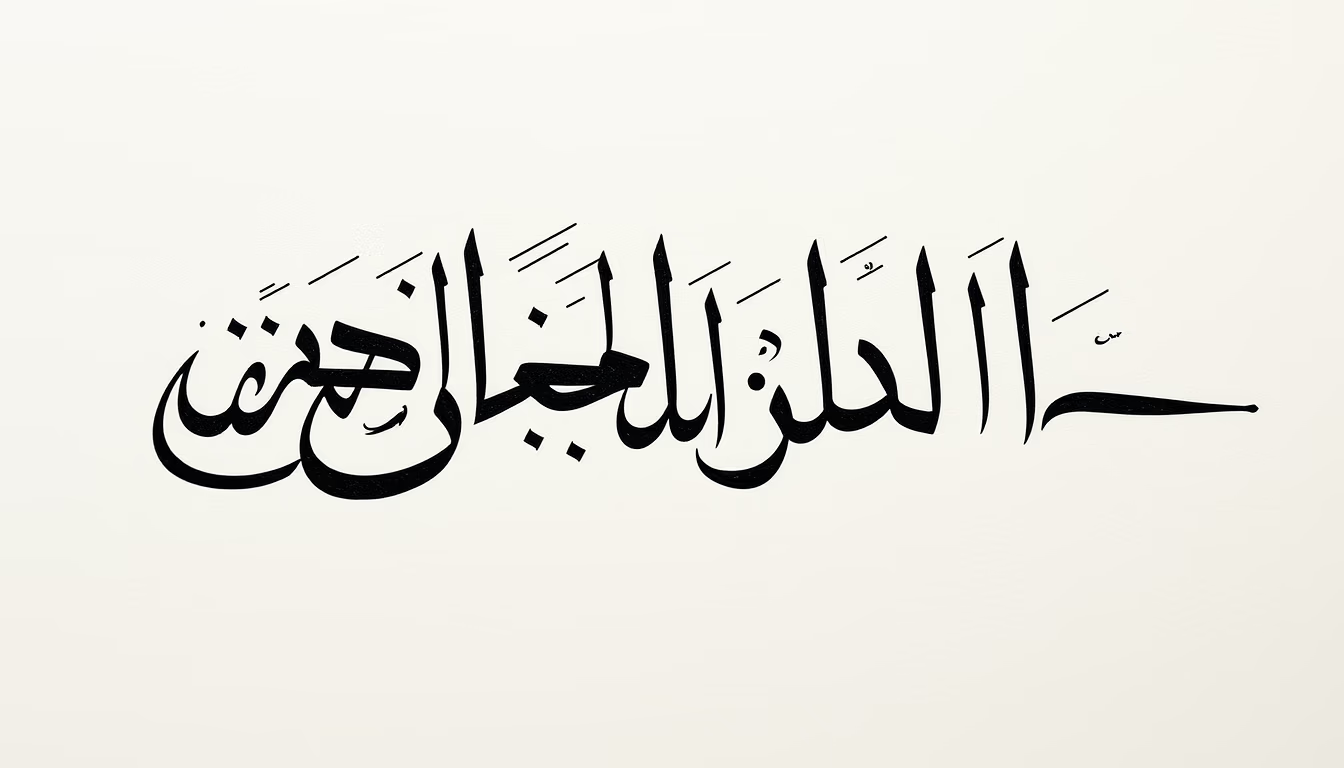
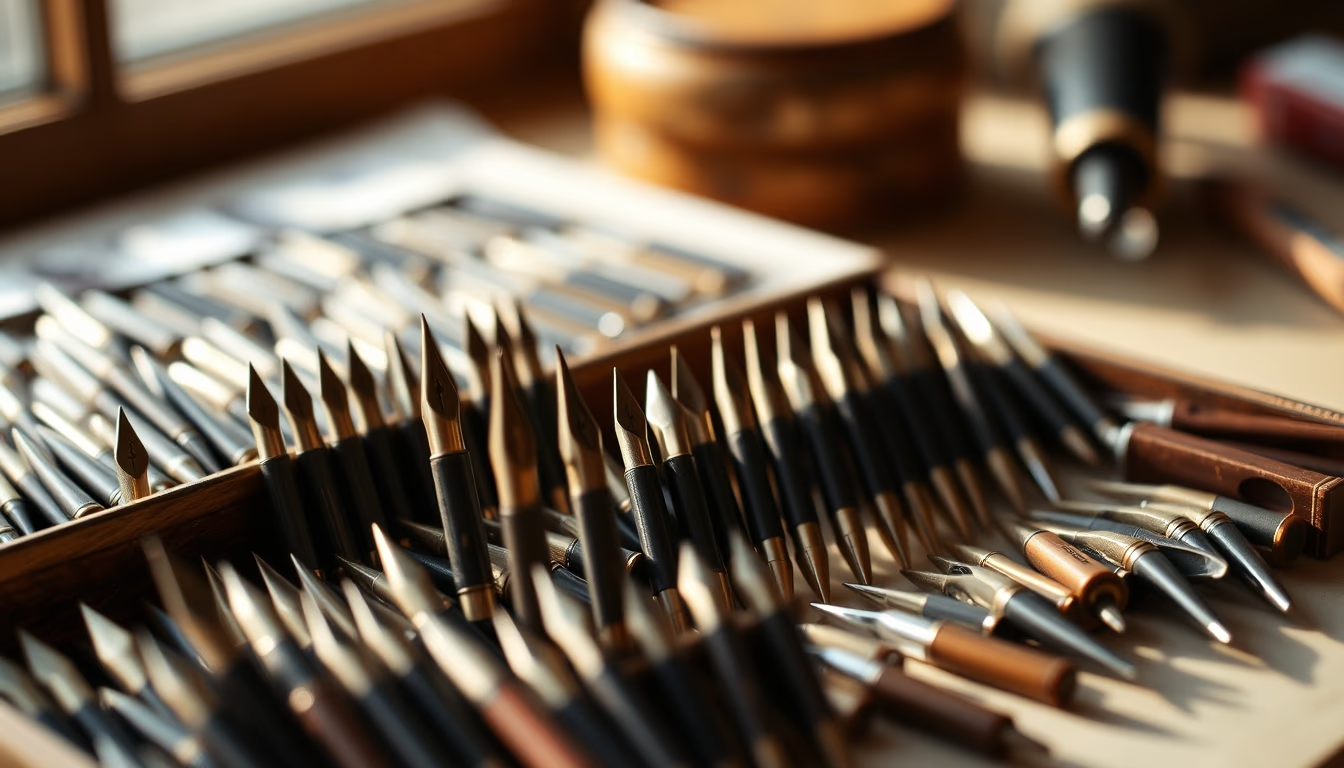
Arabic calligraphy ink, traditionally made from soot and gum arabic, is essential in Islamic art and the preservation of historical manuscripts.
About this subject
Arabic calligraphy ink, known as midād or hibr, is a handcrafted ink dating back to the early centuries of Islam. Its classic composition includes soot (carbon black) as pigment, gum arabic as a binder, and distilled water. Historical recipes sometimes add ingredients like saffron for fragrance, indigo for hue, or honey for viscosity. This ink was stored in special containers called dawāt (inkwells), often decorated with metal or ceramics.
The production of this ink was considered an art form in itself, mastered by calligraphers and specialized makers in cities such as Baghdad, Istanbul, and Isfahan. The ideal consistency allowed the reed pen (qalam) to glide smoothly over paper, creating precise and fluid strokes. Black ink was most valued for copies of the Qur'an due to its permanence and contrast, while colored inks (blue, red, gold) were used for margin decorations and titles.
Over time, Arabic calligraphy ink also influenced Ottoman and Persian calligraphy. Today, many contemporary calligraphers still prepare their own ink following traditional techniques, keeping this cultural heritage alive. The quality of the ink directly affects the sharpness and durability of the stroke, making it a fundamental element in the artistic expression of calligraphy.
Frequently Asked Questions
What is traditional Arabic calligraphy ink made of?
Traditional ink is made from carbon black (soot), gum arabic, and water. Additional ingredients such as saffron, indigo, or honey may be added to alter aroma, color, or viscosity.
How is the ink applied in Arabic calligraphy?
The ink is applied with a reed pen (qalam), which is cut into a specific shape. The calligrapher dips the pen into an inkwell (dawāt) and writes with fluid strokes.
Why is black ink the most common in Arabic calligraphy?
Black ink provides high contrast and permanence, making it ideal for copies of the Qur'an and other sacred texts. It is also the color traditionally associated with midād ink.
Direct URL
https://pub-c7d6a6ea828543ac903a74a341ccb2e1.r2.dev/imagens/arabic-calligraphy-ink-fine-art-photography-fresh10.avifHow to credit
Include a visible link back to UtilizAí. Copy one of the snippets below:
<a href="https://xn--utiliza-eza.com/en/midia/imagens/arabic-calligraphy-ink-fine-art-photography-fresh10">Arabic calligraphy ink</a> by <a href="https://xn--utiliza-eza.com">UtilizAí</a>, licensed under <a href="https://creativecommons.org/licenses/by/4.0/">CC BY 4.0</a>.
[Arabic calligraphy ink](https://xn--utiliza-eza.com/en/midia/imagens/arabic-calligraphy-ink-fine-art-photography-fresh10) by [UtilizAí](https://xn--utiliza-eza.com), CC BY 4.0
License: CC-BY-4.0