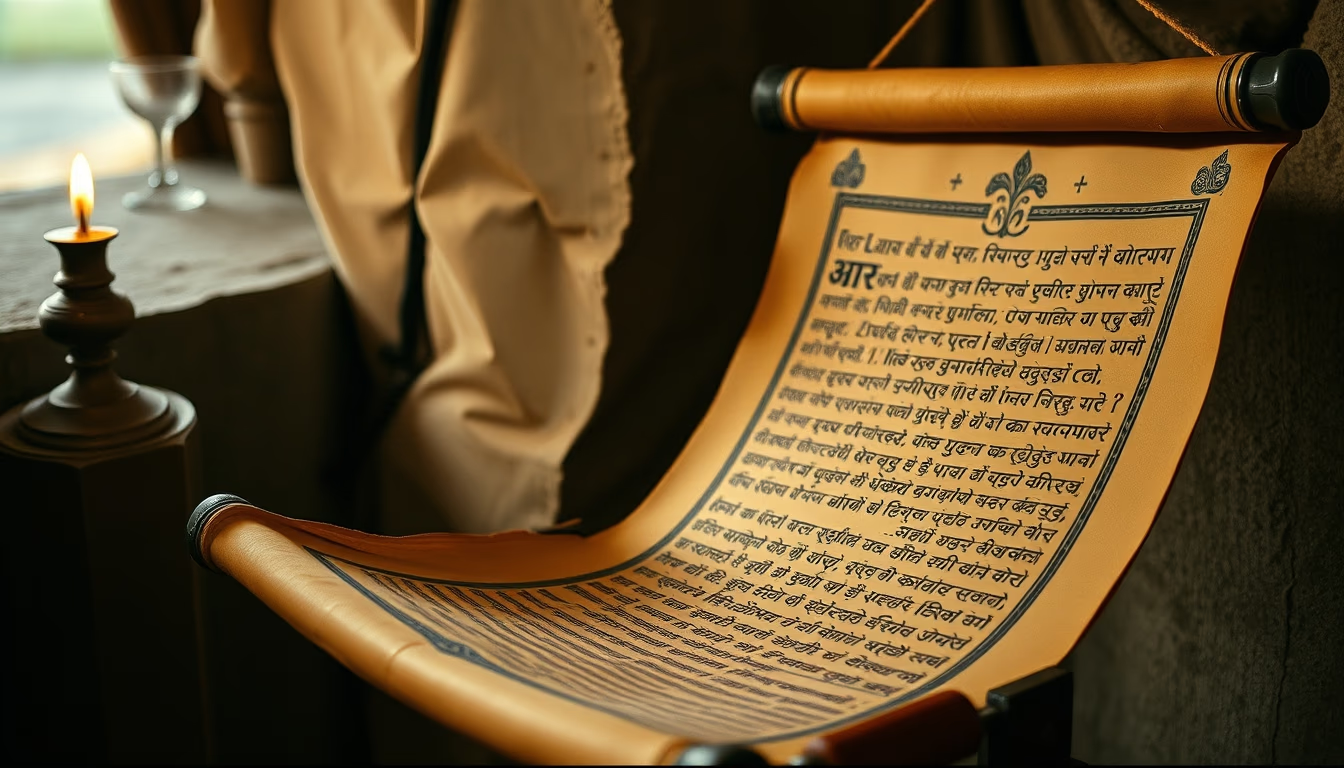
Arabic calligraphy ink
1344×768 · AVIF · CC BY 4.0
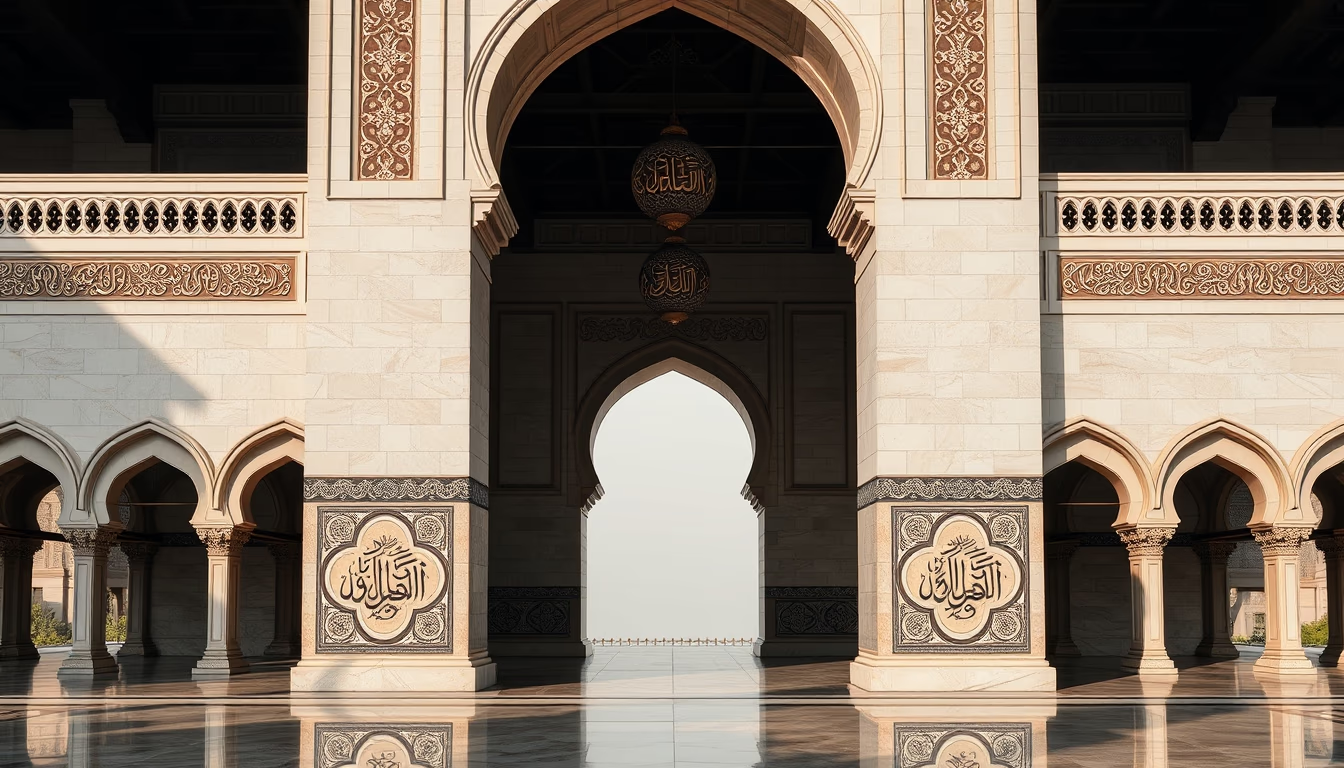
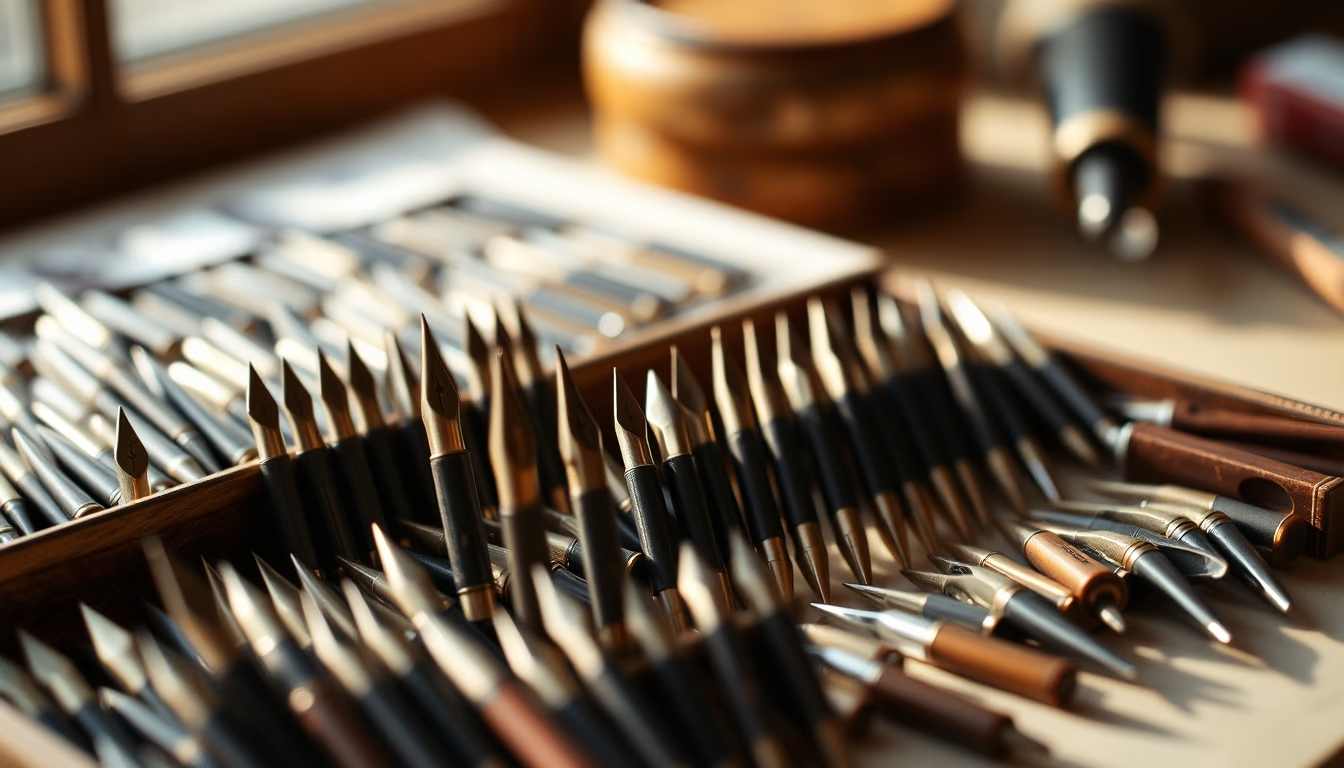
Arabic calligraphy ink is an essential element in Islamic art, traditionally made from soot and gum arabic to create precise and lasting strokes.
About this subject
Arabic calligraphy ink, known as midād or ḥibr, plays a central role in the Islamic tradition of artistic writing. Unlike Western inks, its composition is meticulously adjusted to flow smoothly from the reed pen (qalam), enabling the precise curves and angles that define calligraphic styles such as Naskh, Diwani, and Thuluth.
Historically, the basic recipe involved soot (usually from oil lamps or burnt wood) mixed with gum arabic as a binder and distilled water. Some calligraphers added aromatic essences like musk or amber to perfume the text, especially in copies of the Quran. The proportion was critical: too much binder made the ink thick, too little made it runny. Black ink was the most prized for its contrast with beige or white paper, but red, blue, and gold pigments were also used.
Ink preparation was almost a sacred ritual. Master calligraphers kept family secrets about ingredients and techniques. The ink needed to be resistant to fading and humidity, as manuscripts were often stored in harsh conditions. In the modern era, synthetic inks based on acrylic or Chinese ink have gained popularity for practicality, but purists still prefer traditional ink, believing it gives greater depth and soul to the strokes.
Today, Arabic calligraphy ink is made on a small scale by artisans in Morocco, Egypt, Turkey, and Iran, often sold in glass bottles with droppers. Museums such as the Topkapi Palace in Istanbul preserve historical ink bottles, revealing the evolution of formulas over centuries. UNESCO recognized Arabic calligraphy as an intangible cultural heritage in 2021, highlighting the importance of ink in the continuity of this art.
Frequently Asked Questions
What is traditional Arabic calligraphy ink made of?
The classic recipe uses soot (from oil lamps or burnt wood), gum arabic as a binder, and distilled water. Sometimes perfumes like musk or amber are added.
Why is black ink the most used in Arabic calligraphy?
Black provides high contrast with light paper, highlighting the fine curved strokes typical of calligraphy. It also symbolizes elegance and tradition.
Is Arabic calligraphy ink only used for the Quran?
No, although it is famous for writing the Quran, it is also used in official documents, poetry, and decorative art across the Islamic world.
Direct URL
https://pub-c7d6a6ea828543ac903a74a341ccb2e1.r2.dev/imagens/arabic-calligraphy-ink-architectural-photography-fresh15.avifHow to credit
Include a visible link back to UtilizAí. Copy one of the snippets below:
<a href="https://xn--utiliza-eza.com/en/midia/imagens/arabic-calligraphy-ink-architectural-photography-fresh15">Arabic calligraphy ink</a> by <a href="https://xn--utiliza-eza.com">UtilizAí</a>, licensed under <a href="https://creativecommons.org/licenses/by/4.0/">CC BY 4.0</a>.
[Arabic calligraphy ink](https://xn--utiliza-eza.com/en/midia/imagens/arabic-calligraphy-ink-architectural-photography-fresh15) by [UtilizAí](https://xn--utiliza-eza.com), CC BY 4.0
License: CC-BY-4.0