Anchor large rusty
1344×768 · AVIF · CC BY 4.0
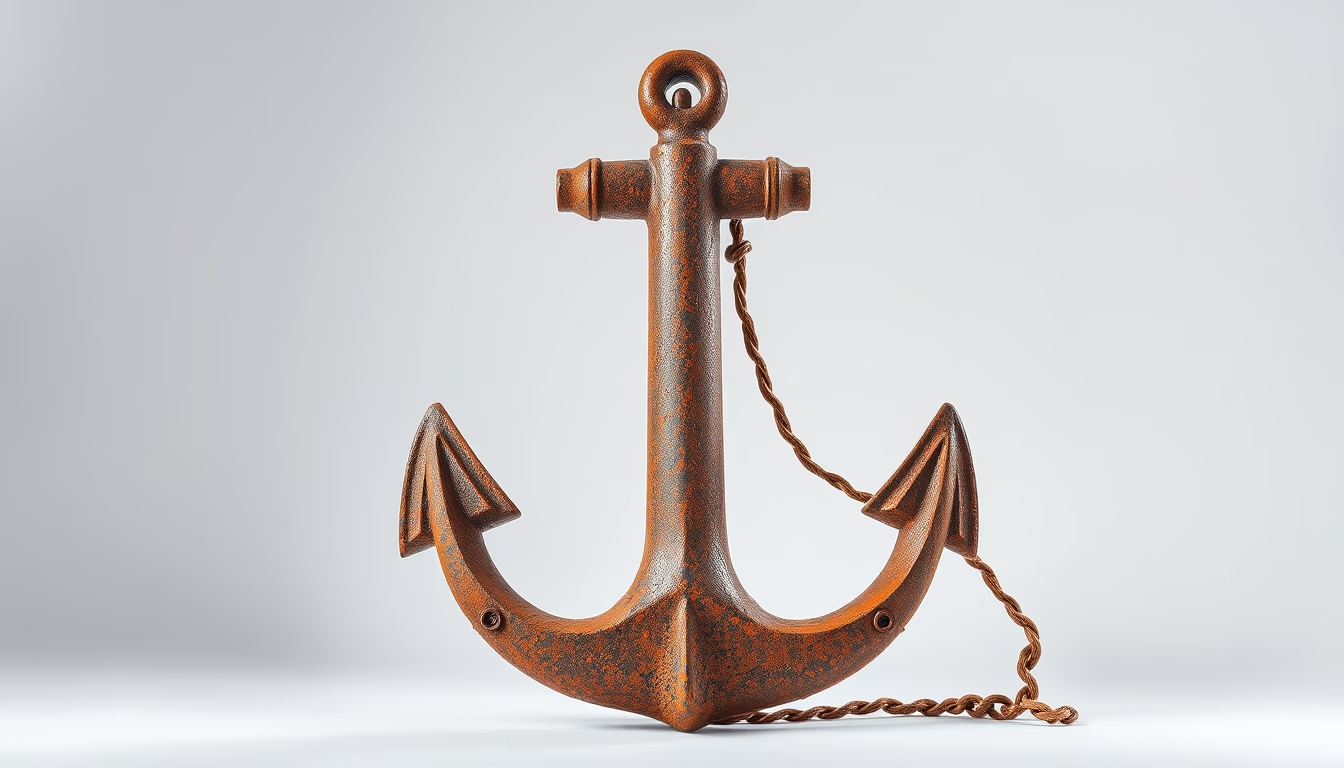
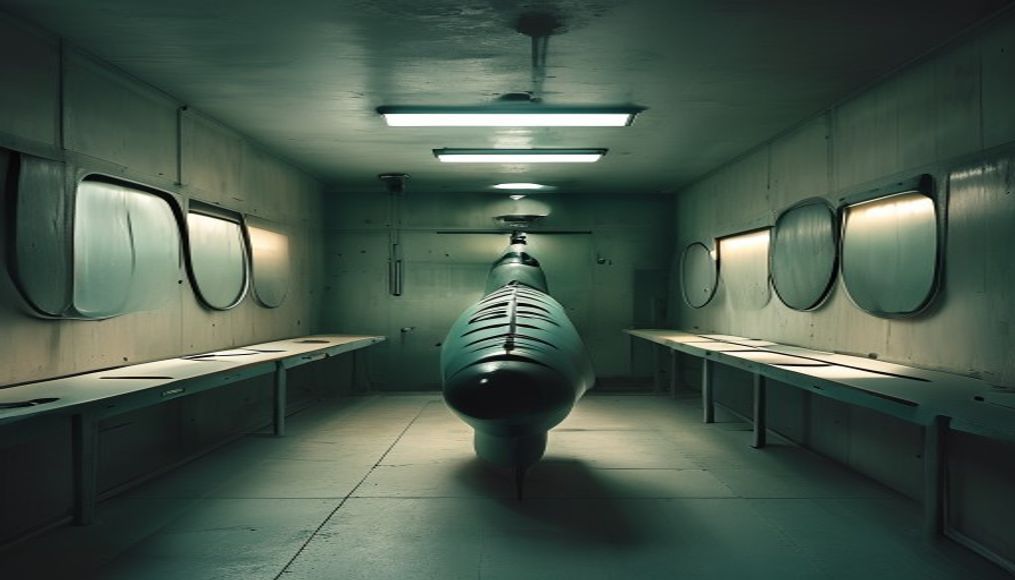
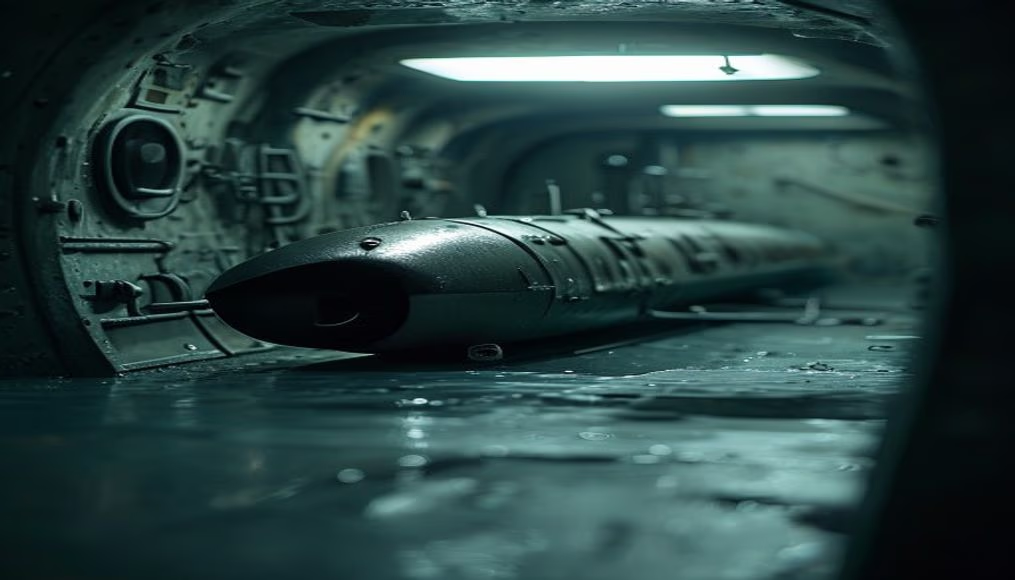
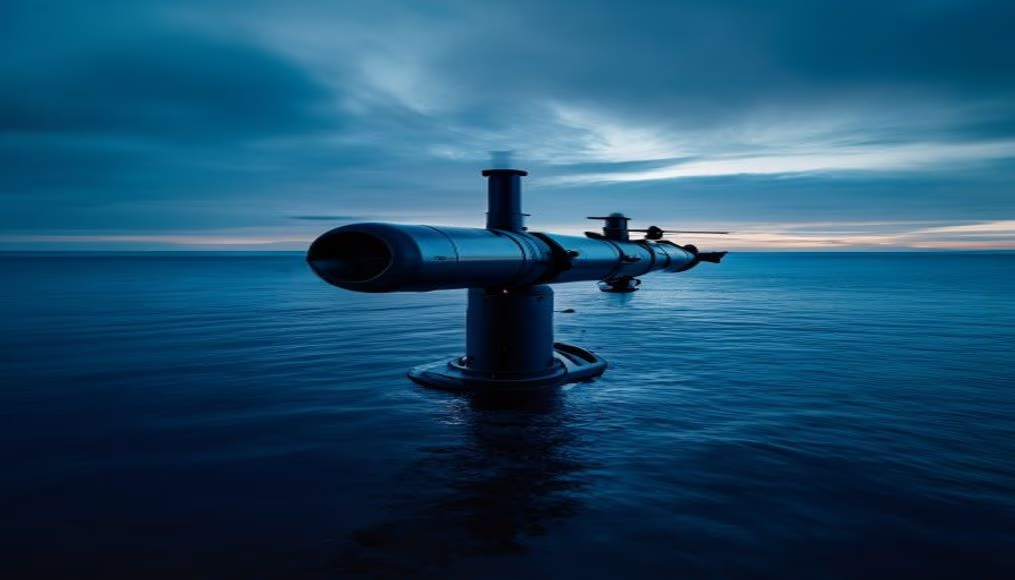
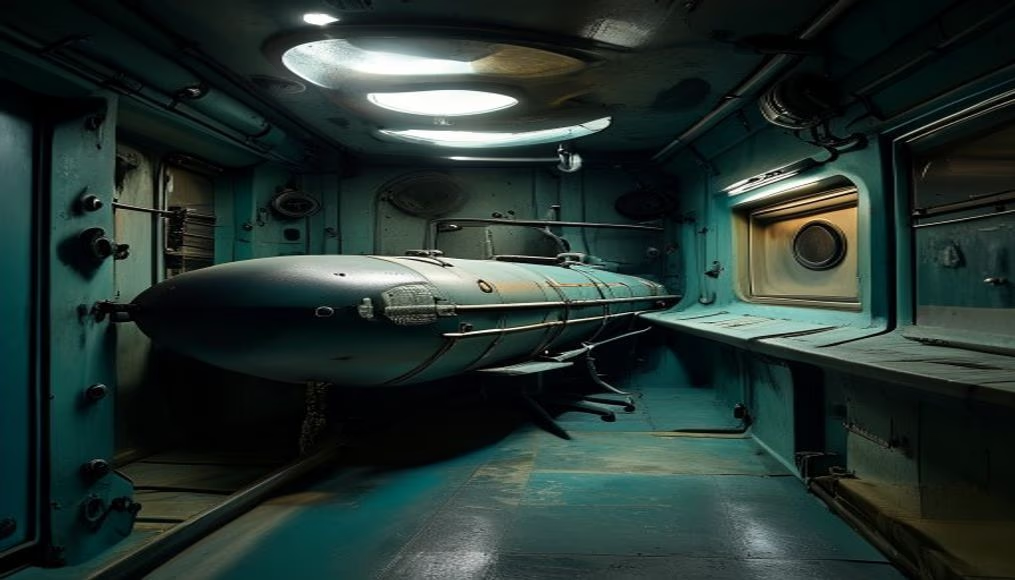
Large rusty anchors are icons of maritime history, representing safety and the passage of time in the naval world.
About this subject
A large rusty anchor is more than a decorative object: it is a testament to naval engineering and the resistance of materials to the marine environment. Anchors are devices designed to secure vessels to the seabed, using weight and shape to dig into the soil. Traditional models, such as the admiralty anchor, are made of wrought iron or steel, and their size varies according to the ship's tonnage. On large commercial ships, an anchor can weigh between 5 and 30 tons, requiring equally robust chains and cables. The rust covering the surface results from iron oxidation in contact with saltwater and oxygen, forming a layer of hydrated iron oxide that paradoxically can protect the inner metal if kept stable.
The history of anchors dates back thousands of years. Ancient civilizations like the Phoenicians, Greeks, and Romans used stone or wooden anchors with ballast. The admiralty anchor, with its two arms and stock, became standard in the 19th century and is still used in some contexts. In Brazil, historic ports such as Salvador, Rio de Janeiro, and Recife preserve old anchors from shipwrecks and merchant vessels. These objects are often displayed in maritime museums or as monuments, telling stories of voyages and storms. The presence of rust does not diminish their historical value; on the contrary, it highlights age and exposure to the elements.
Interestingly, large anchors are also cultural symbols. In heraldry, they represent hope and steadfastness. In tattoos, they are associated with sailors and stability. The corrosion process is accelerated in tropical waters, with higher temperatures and salinity, which explains why many anchors found in Brazilian coastal areas show advanced oxidation. For conservation, restorers use techniques like electrolysis and sealants, but often the rusty patina is kept for its aesthetic appeal. The large rusty anchor thus unites functionality, history, and art.
Frequently Asked Questions
What is the average weight of a large ship anchor?
Weight varies by vessel size. Large commercial ships use anchors weighing 5 to 30 tons. Smaller vessels may have anchors of a few hundred kilograms.
Why do iron anchors rust?
Rust results from iron oxidation in contact with saltwater and oxygen. The chemical reaction forms hydrated iron oxide, which accumulates on the surface. Saltwater accelerates the process due to chloride ions.
What is the historical origin of the anchor?
Primitive anchors were stones tied to ropes, used by Phoenicians and ancient Greeks. The admiralty anchor, with two arms and a stock, was developed in the 19th century and became standard. Modern designs like the Danforth emerged in the 20th century.
Direct URL
https://pub-c7d6a6ea828543ac903a74a341ccb2e1.r2.dev/imagens/anchor-large-rusty-studio-still-life-p8.avifHow to credit
Include a visible link back to UtilizAí. Copy one of the snippets below:
<a href="https://xn--utiliza-eza.com/en/midia/imagens/anchor-large-rusty-studio-still-life-p8">Anchor large rusty</a> by <a href="https://xn--utiliza-eza.com">UtilizAí</a>, licensed under <a href="https://creativecommons.org/licenses/by/4.0/">CC BY 4.0</a>.
[Anchor large rusty](https://xn--utiliza-eza.com/en/midia/imagens/anchor-large-rusty-studio-still-life-p8) by [UtilizAí](https://xn--utiliza-eza.com), CC BY 4.0
License: CC-BY-4.0