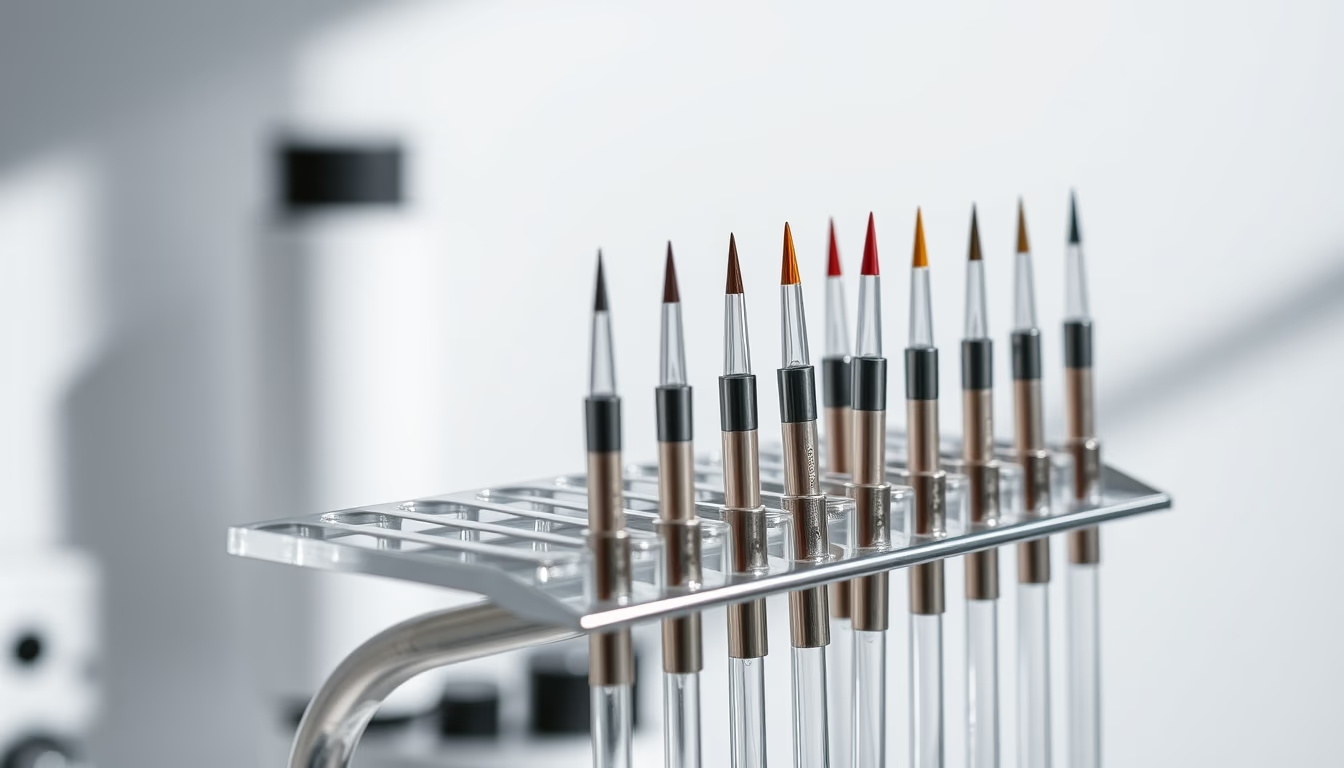
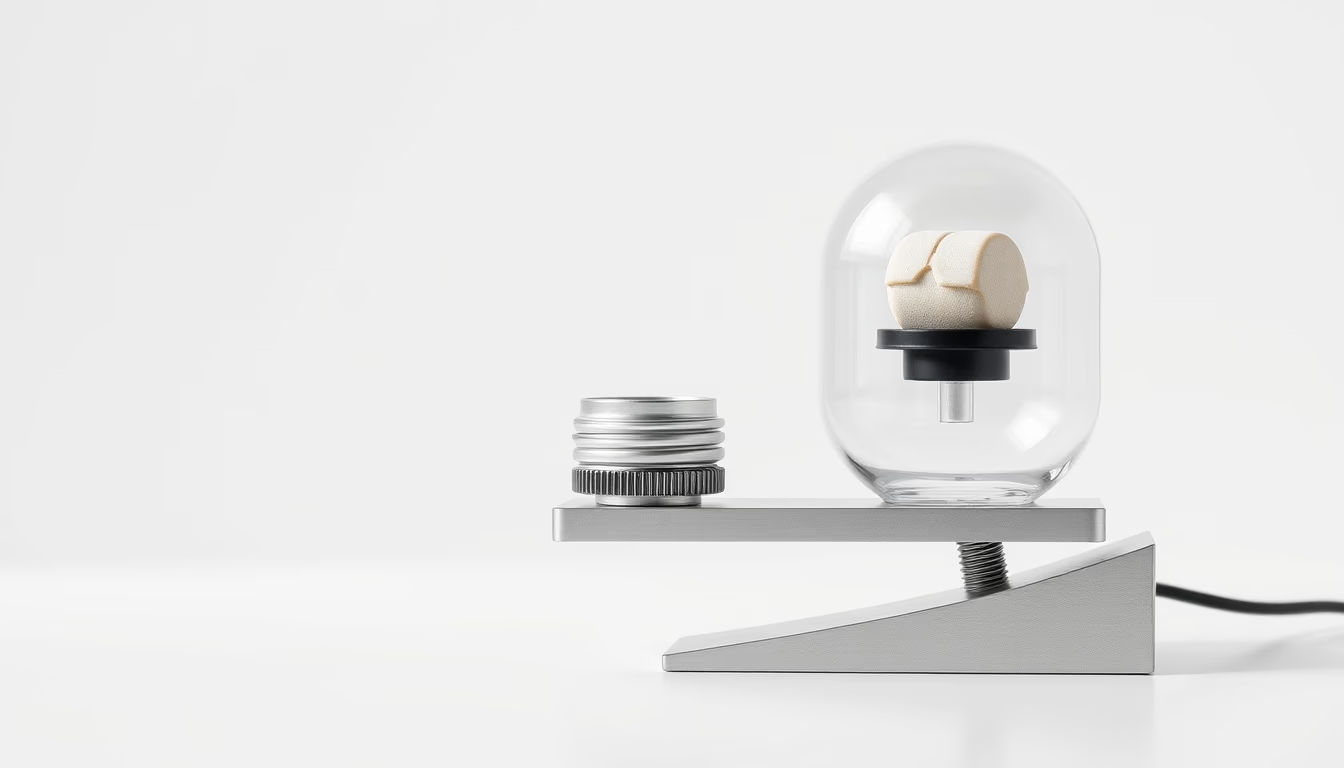
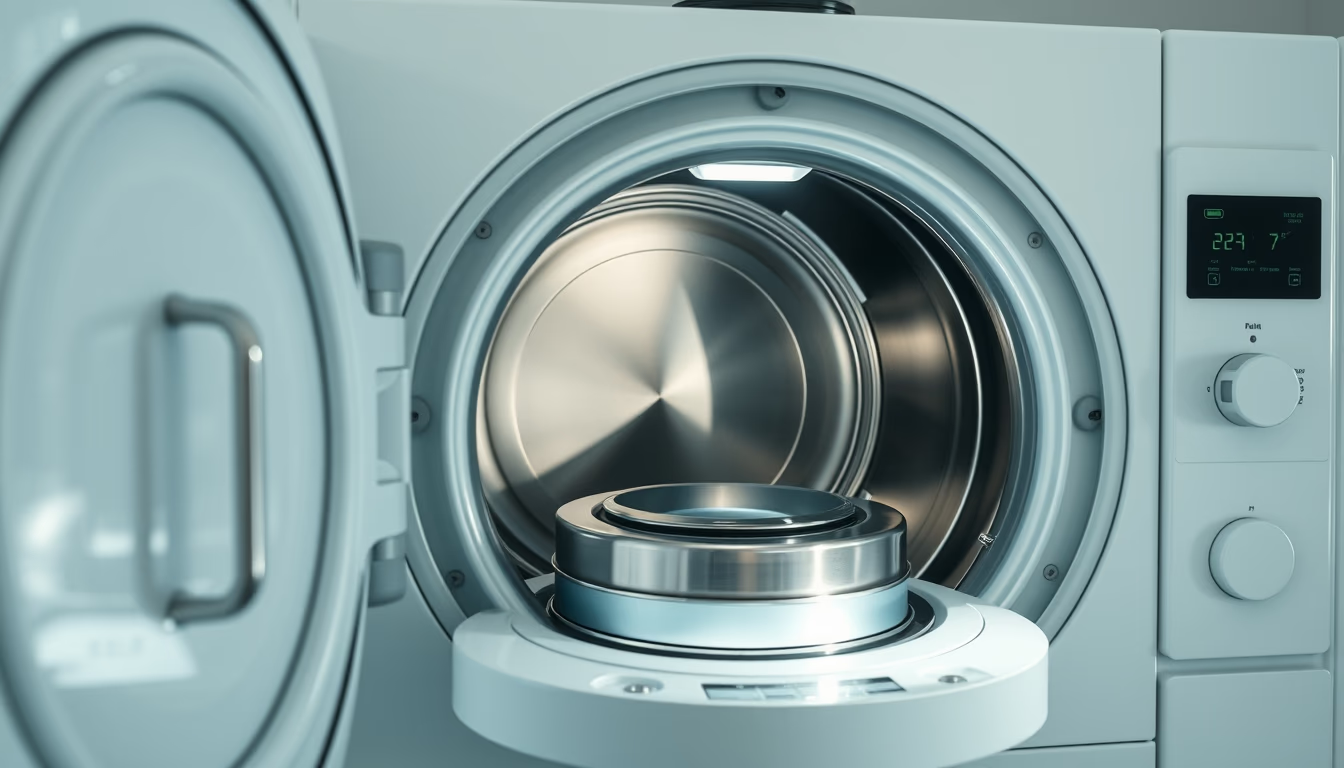
Analytical balance closeup
1344×768 · AVIF · CC BY 4.0

An analytical balance, a precision instrument essential in laboratories for mass measurements accurate to 0.0001 gram.
About this subject
The analytical balance is one of the most precise instruments found in chemical, pharmaceutical, and research laboratories. Capable of measuring mass with a resolution of 0.0001 g (0.1 mg), it uses the principle of electromagnetic force compensation to balance the sample. This mechanism allows the balance to detect minute weight variations, making it essential for quantitative analyses that require high accuracy, such as preparing standards for chromatography or determining densities.
To ensure precision, analytical balances are equipped with a glass draft shield that isolates the weighing pan from air currents and thermal variations. The operator must handle the sample with tweezers or spatulas to avoid contaminating the equipment with residues or moisture. Periodic calibration with certified standard weights is mandatory, typically performed using an internal automatic weight or manually by trained technicians.
These instruments are sensitive to environmental factors: vibrations, electromagnetic fields, and even the user's breathing can interfere with readings. Therefore, they are installed on anti-vibration tables in temperature-controlled rooms. Many modern models offer computer connectivity for direct data recording, facilitating traceability and compliance with standards such as ISO 17025.
In Brazil, analytical balances are widely used in universities and industries, especially in the quality control of pharmaceuticals and food products. Preventive maintenance includes cleaning with isopropyl alcohol and checking the bubble level. The cost of a good quality analytical balance can range from a few thousand to tens of thousands of reais, depending on capacity and features.
Frequently Asked Questions
What is the precision of an analytical balance?
A typical analytical balance has a precision of 0.0001 gram (0.1 mg), allowing extremely accurate mass measurements for laboratory analyses.
How to calibrate an analytical balance?
Calibration is performed using certified standard weights, either via an internal automatic weight or manually. The procedure should follow the manufacturer's instructions and be done periodically.
Why do analytical balances need a draft shield?
The glass shield protects the pan from air currents, dust, and thermal variations that could interfere with high-precision readings, ensuring reliable results.
Direct URL
https://pub-c7d6a6ea828543ac903a74a341ccb2e1.r2.dev/imagens/analytical-balance-closeup-cinematic-wide-shot-fresh11.avifHow to credit
Include a visible link back to UtilizAí. Copy one of the snippets below:
<a href="https://xn--utiliza-eza.com/en/midia/imagens/analytical-balance-closeup-cinematic-wide-shot-fresh11">Analytical balance closeup</a> by <a href="https://xn--utiliza-eza.com">UtilizAí</a>, licensed under <a href="https://creativecommons.org/licenses/by/4.0/">CC BY 4.0</a>.
[Analytical balance closeup](https://xn--utiliza-eza.com/en/midia/imagens/analytical-balance-closeup-cinematic-wide-shot-fresh11) by [UtilizAí](https://xn--utiliza-eza.com), CC BY 4.0
License: CC-BY-4.0