Amanita muscaria red
1344×768 · AVIF · CC BY 4.0
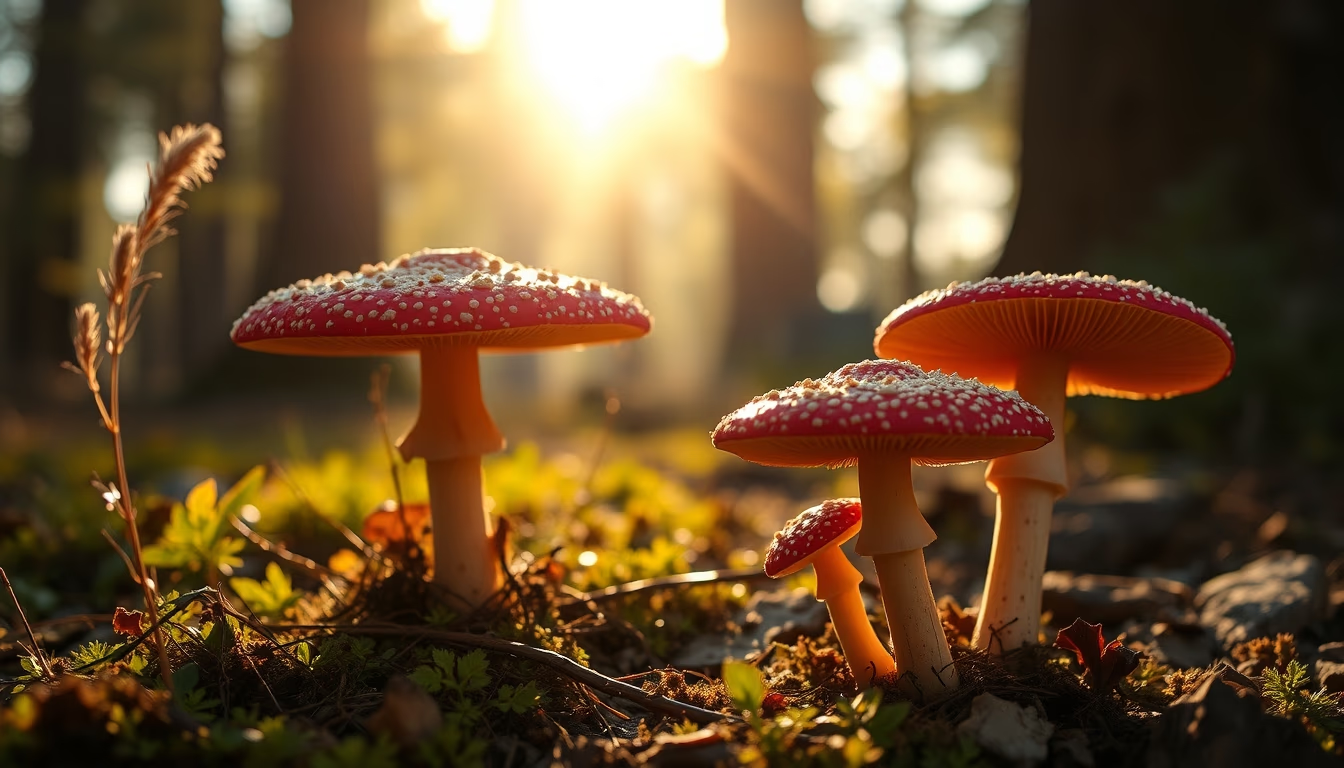
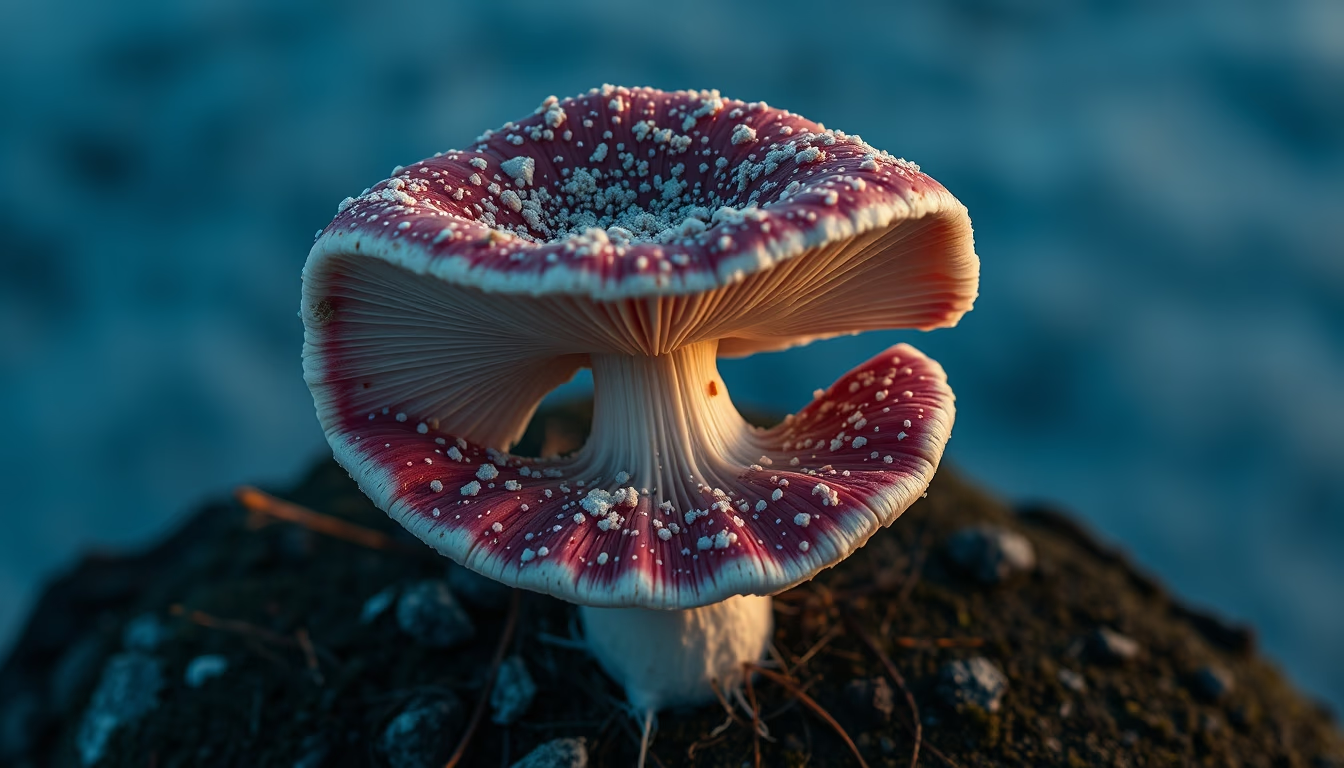
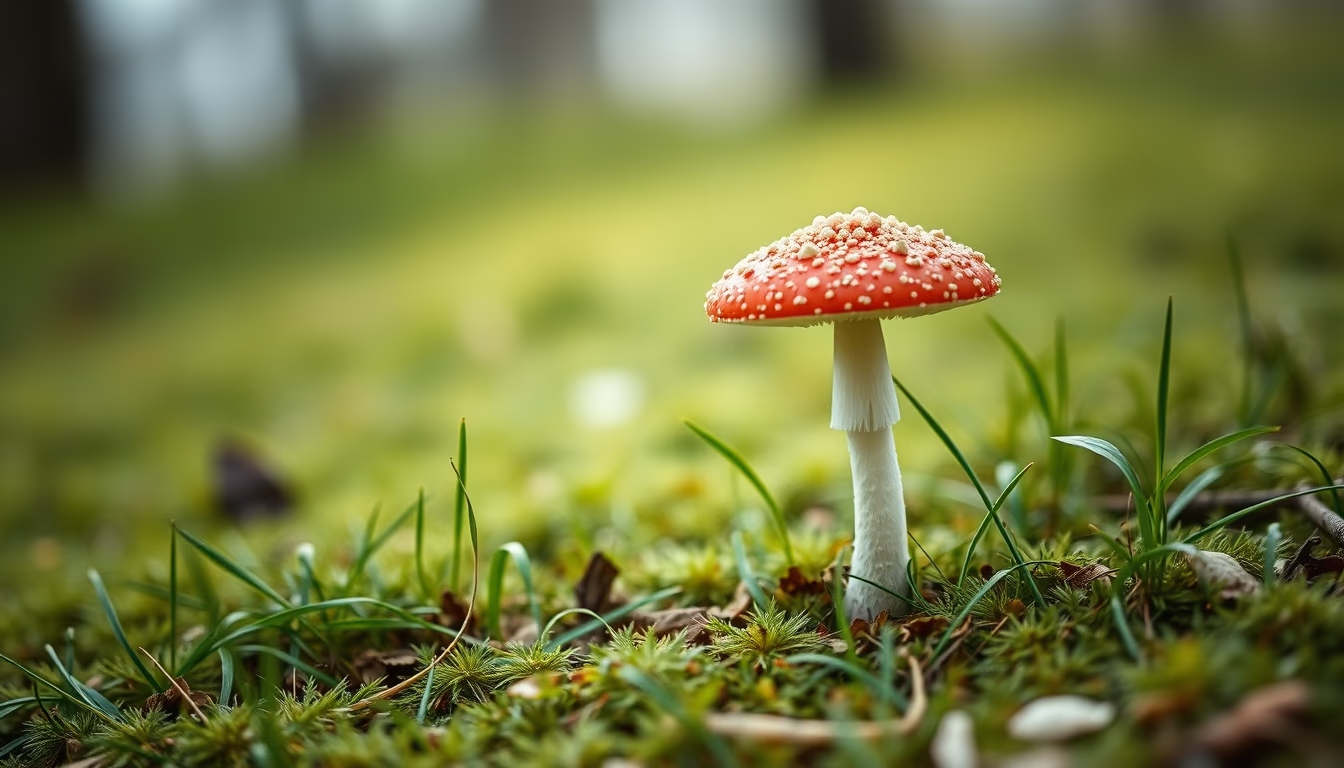
Amanita muscaria, commonly known as the fly agaric, is an iconic red mushroom with white spots, famous in popular culture and for its psychoactive properties.
About this subject
Amanita muscaria, also called fly agaric, is easily recognized by its bright red cap covered with white warts, the classic toadstool of fairy tales. Native to the Northern Hemisphere, especially in coniferous and birch forests of Europe, Asia, and North America, it forms mycorrhizal associations with tree roots and has been introduced to other regions, such as Australia and New Zealand, alongside host trees.
Despite its inviting look, the mushroom contains toxins like ibotenic acid and muscimol, causing hallucinogenic effects along with nausea and drowsiness. Unlike psilocybin mushrooms, its effects are more sedative and dissociative. In Siberia, shamans used it in rituals to induce altered states, and it is believed that consuming the urine of those who ingested the mushroom prolonged the effects without gastrointestinal distress.
Culturally, Amanita muscaria is ubiquitous: it appears in Super Mario games, Disney's Fantasia, and illustrations of Alice in Wonderland. Its red-and-white color scheme is also linked to Santa Claus, possibly due to shamanic use during the winter solstice. Ecologically, it is an important decomposer and aids tree nutrition, but its toxicity varies by region and season; it rarely causes deaths in humans.
One curiosity: the name "muscaria" comes from Latin "musca" (fly), as the mushroom was once used as an insecticide by steeping it in milk to attract and kill flies. There are varieties with orange or yellow caps, such as var. formosa, common in North America. Although some cultures consume it after processing (e.g., parboiling), the risk of confusion with similar toxic species makes the practice inadvisable.
Frequently Asked Questions
Is Amanita muscaria poisonous?
Yes, it contains toxins like ibotenic acid and muscimol, causing nausea, vomiting, hallucinations, and drowsiness. However, fatal cases in humans are extremely rare.
Where can Amanita muscaria be found?
It grows in symbiosis with tree roots, especially birch and conifers, in temperate regions of the Northern Hemisphere. It is common in forests of Europe, Asia, and North America, and has been introduced to other continents.
What is the connection between Amanita muscaria and Christmas?
The red-and-white mushroom is linked to Santa Claus and flying reindeer, possibly originating from Siberian shamanic practices during the winter solstice, where shamans would collect and dry the mushroom on trees.
Direct URL
https://pub-c7d6a6ea828543ac903a74a341ccb2e1.r2.dev/imagens/amanita-muscaria-red-travel-photography-p3.avifHow to credit
Include a visible link back to UtilizAí. Copy one of the snippets below:
<a href="https://xn--utiliza-eza.com/en/midia/imagens/amanita-muscaria-red-travel-photography-p3">Amanita muscaria red</a> by <a href="https://xn--utiliza-eza.com">UtilizAí</a>, licensed under <a href="https://creativecommons.org/licenses/by/4.0/">CC BY 4.0</a>.
[Amanita muscaria red](https://xn--utiliza-eza.com/en/midia/imagens/amanita-muscaria-red-travel-photography-p3) by [UtilizAí](https://xn--utiliza-eza.com), CC BY 4.0
License: CC-BY-4.0