Amanita muscaria red
1344×768 · AVIF · CC BY 4.0
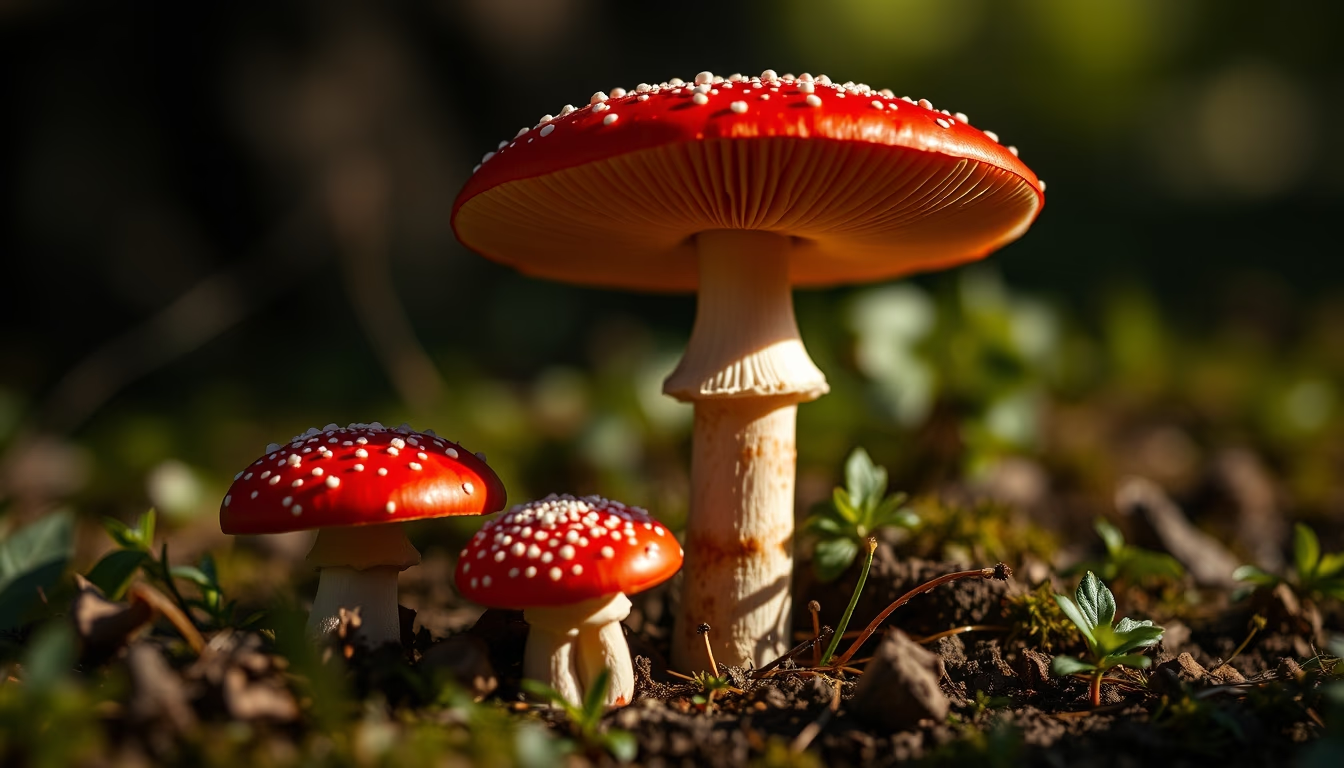
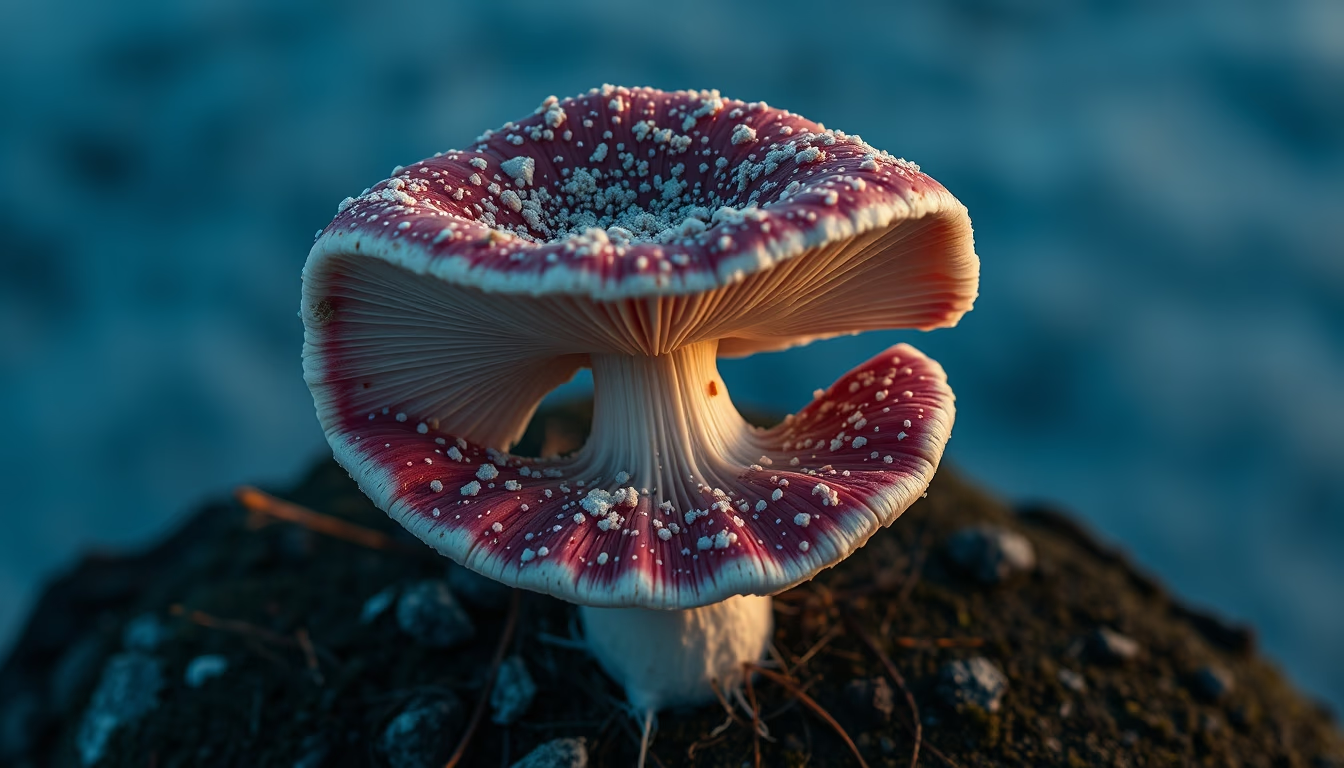
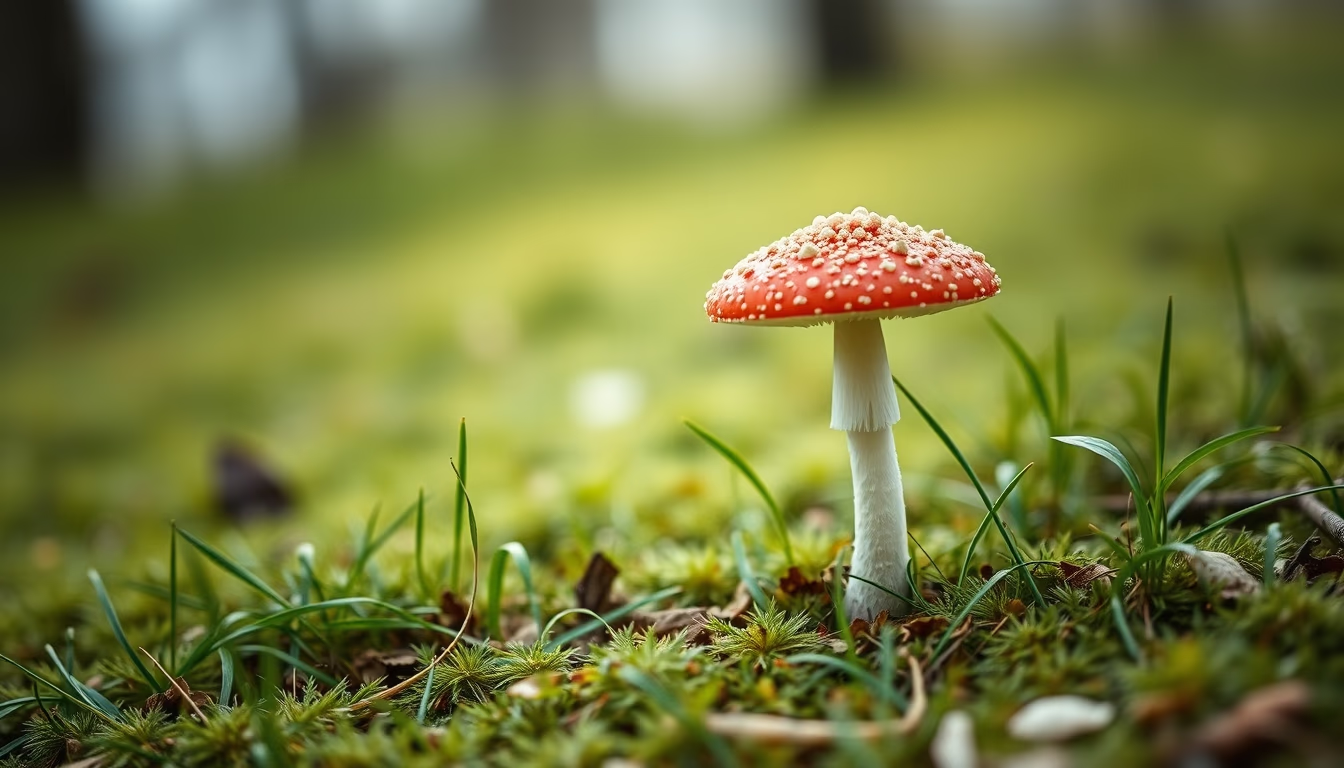
Amanita muscaria is a red mushroom with white spots, known for its toxicity and historical use in shamanic rituals.
About this subject
Amanita muscaria, commonly known as the fly agaric, is a basidiomycete fungus of the Amanitaceae family. Its striking red cap with white spots makes it one of the most recognizable mushrooms worldwide. Native to the Northern Hemisphere, it grows in temperate and boreal forests, forming mycorrhizal associations with trees such as birch, pine, and spruce. In South America, it has been introduced in regions like southern Brazil and Argentina, where it thrives in pine plantations.
The toxicity of Amanita muscaria has been known for centuries. Its active compounds, ibotenic acid and muscimol, induce hallucinogenic effects, nausea, and disorientation. Unlike the deadly Amanita phalloides, it is rarely fatal, but consumption is dangerous and discouraged. The name "muscaria" comes from its traditional use as an insecticide: pieces of the mushroom in milk attracted flies, which died after ingesting it.
Culturally, Amanita muscaria permeates popular imagination. It is often featured in fairy tales, appearing in works such as "Alice's Adventures in Wonderland", where the smoking caterpillar guides Alice. It is also linked to Christmas: the image of Santa Claus in red and white is believed to originate from Siberian shamans who distributed these mushrooms during solstices, flying on sleighs pulled by reindeer, animals that also consume the fungus.
Ecologically, Amanita muscaria plays a crucial role in symbiosis with trees, aiding growth in poor soils. Despite its striking appearance, it should be avoided in cuisine. For mycologists, it is a fascinating specimen for observation, a reminder that beauty can conceal potent toxins.
Frequently Asked Questions
Is Amanita muscaria edible?
No. Although rarely fatal, Amanita muscaria is toxic and causes hallucinations, nausea, and other symptoms. It should not be consumed.
Where does Amanita muscaria grow?
It grows in temperate forests of the Northern Hemisphere, associated with birch, pine, and spruce. It has been introduced in southern Brazil and Argentina.
What is the origin of the name 'fly agaric'?
The name comes from its traditional use: pieces of the mushroom in milk attracted flies, which died after ingesting it, functioning as an insecticide.
Direct URL
https://pub-c7d6a6ea828543ac903a74a341ccb2e1.r2.dev/imagens/amanita-muscaria-red-magazine-editorial-p1.avifHow to credit
Include a visible link back to UtilizAí. Copy one of the snippets below:
<a href="https://xn--utiliza-eza.com/en/midia/imagens/amanita-muscaria-red-magazine-editorial-p1">Amanita muscaria red</a> by <a href="https://xn--utiliza-eza.com">UtilizAí</a>, licensed under <a href="https://creativecommons.org/licenses/by/4.0/">CC BY 4.0</a>.
[Amanita muscaria red](https://xn--utiliza-eza.com/en/midia/imagens/amanita-muscaria-red-magazine-editorial-p1) by [UtilizAí](https://xn--utiliza-eza.com), CC BY 4.0
License: CC-BY-4.0