Amanita muscaria red
1344×768 · AVIF · CC BY 4.0
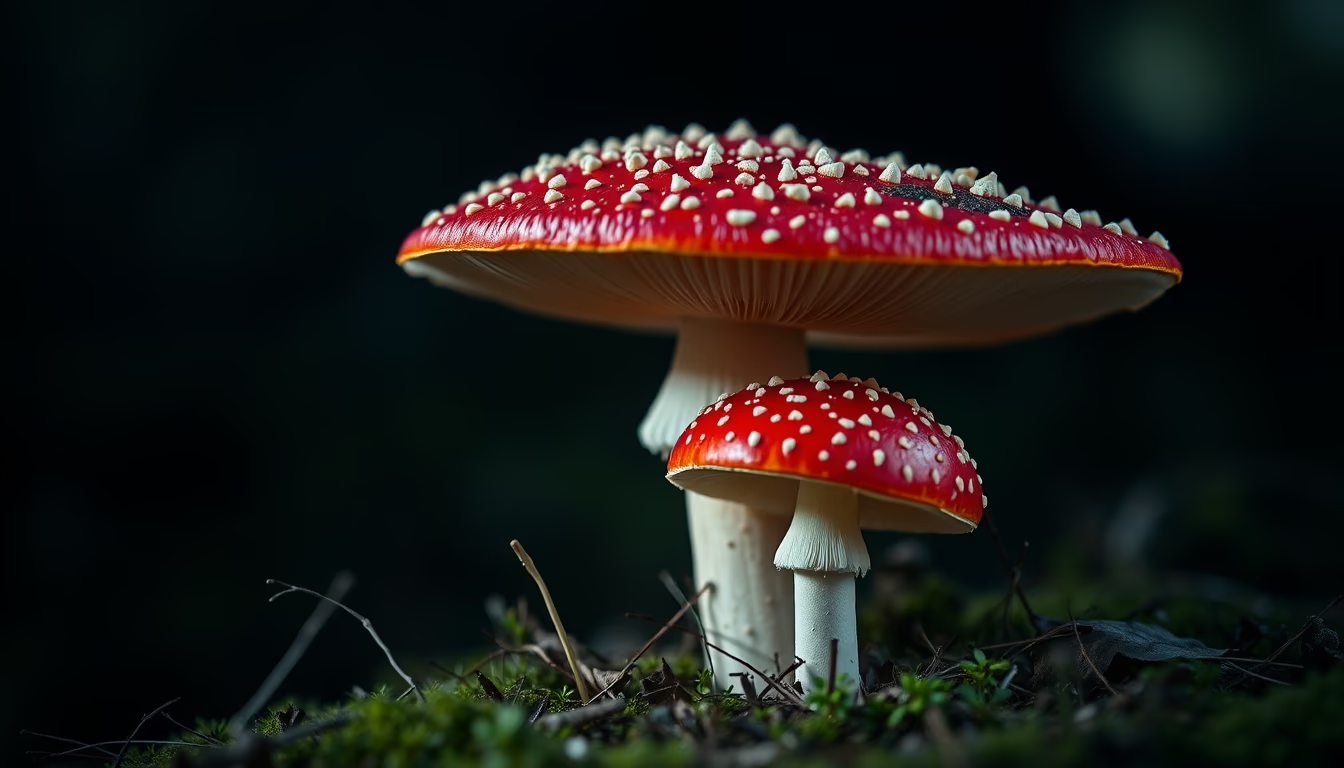
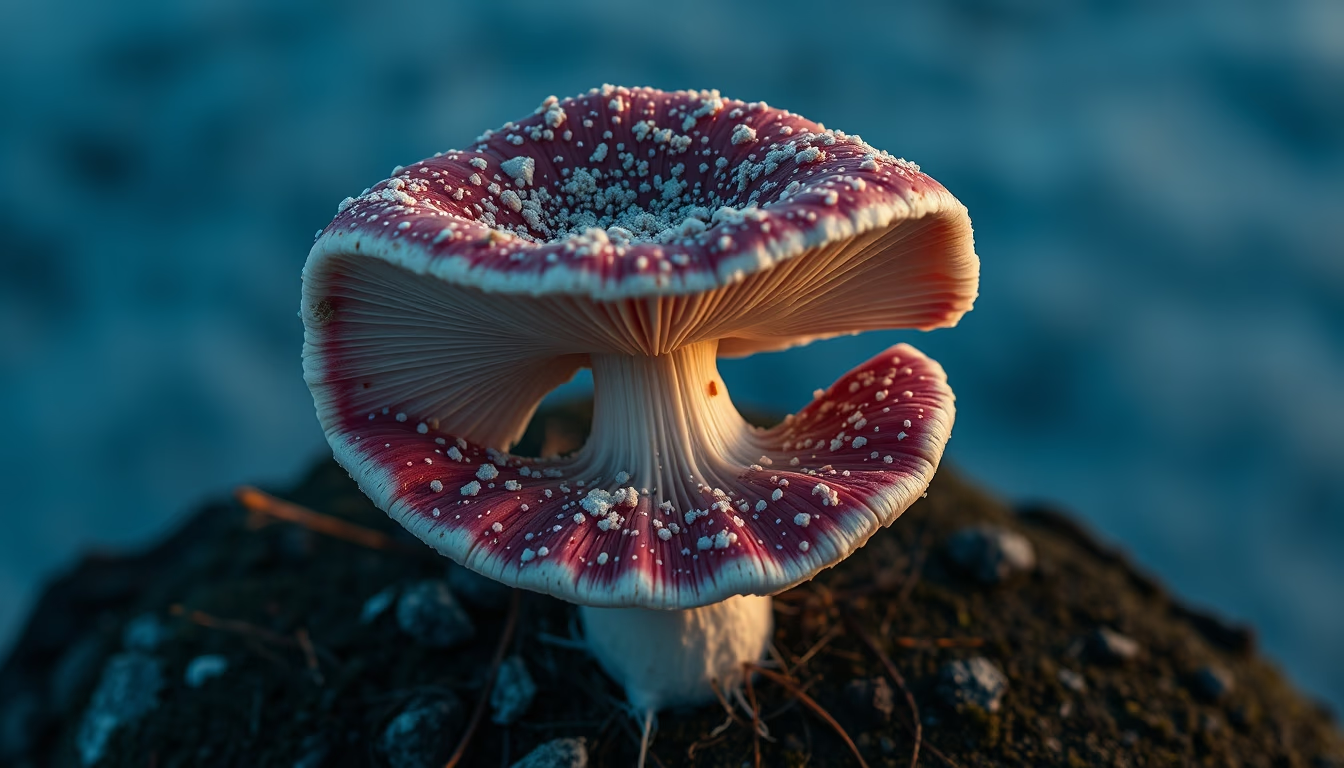
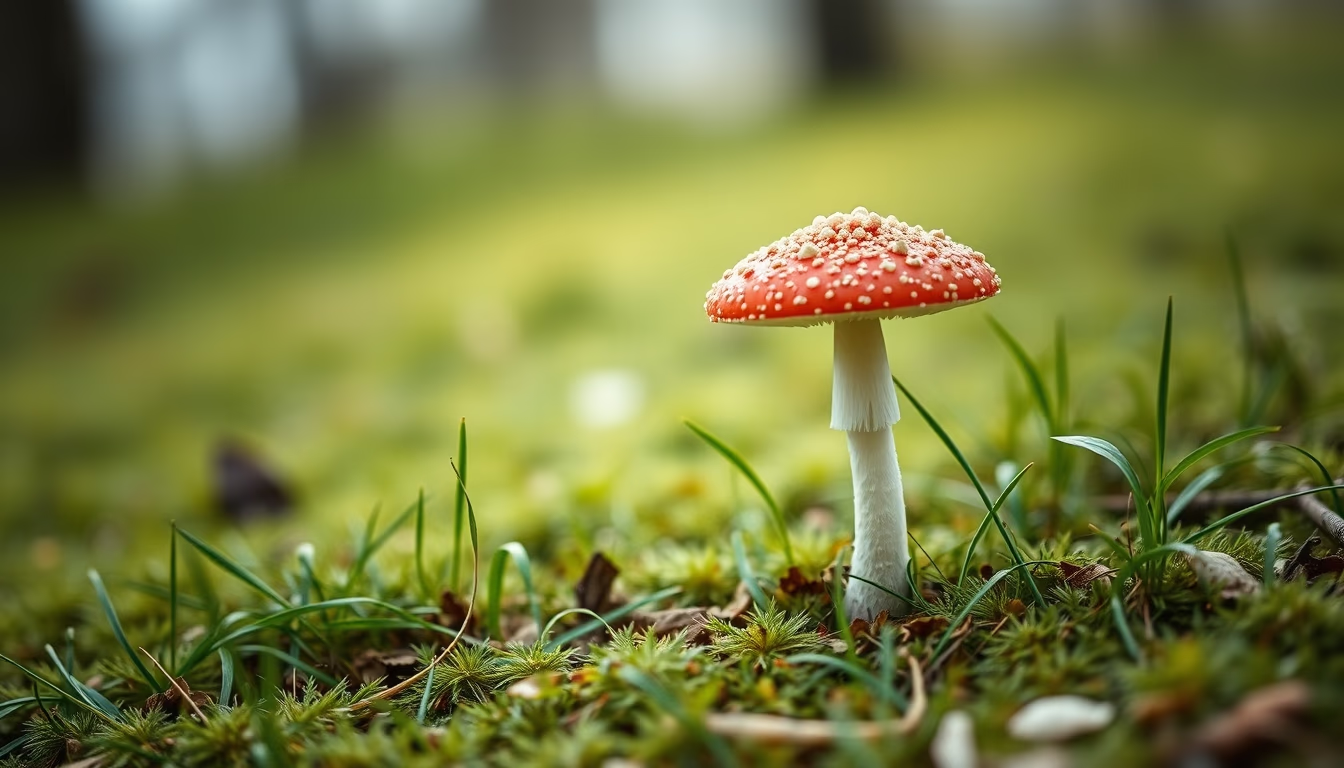
The Amanita muscaria, with its iconic red cap and white spots, is one of the most recognizable mushrooms worldwide, famed for its toxicity and historical use in rituals.
About this subject
Amanita muscaria, commonly known as the fly agaric, is a basidiomycete fungus in the family Amanitaceae. Its distinctive appearance, with a bright red cap (pileus) covered in white warts, is frequently depicted in popular culture, such as in video games and fairy tales. The species is native to the Northern Hemisphere, especially in temperate and boreal regions of Europe, Asia, and North America, but has been introduced to other continents, including South America, associated with trees like birches and pines, with which it forms mycorrhizal relationships.
The toxicity of Amanita muscaria is due to compounds such as ibotenic acid and muscimol, which act as hallucinogens and neurotoxins. Unlike deadly amanitas such as Amanita phalloides, the fly agaric is rarely lethal, but causes symptoms like nausea, vomiting, drowsiness, and confusion. Historically, it was used by Siberian peoples, such as the Evenki shamans, to induce visions and enter trance states. It is believed that the mushroom was consumed after passing through the kidneys of reindeer, which reduced its toxicity while retaining psychoactive effects.
In Western culture, Amanita muscaria is often associated with Christmas and Santa Claus, due to its similarity to the red-and-white figure. Some scholars suggest that Santa's outfit was inspired by this mushroom, used by Nordic peoples in solstice ceremonies. Additionally, its common name (fly agaric) derives from historical use as an insecticide: pieces of the mushroom were soaked in milk to attract and kill flies. Despite its toxicity, the mushroom is consumed in some regions of Europe after careful processing, such as repeated boiling to remove toxins, but it is still not recommended without expert knowledge.
Frequently Asked Questions
Is Amanita muscaria deadly?
No, Amanita muscaria is rarely lethal, but it is toxic and can cause severe symptoms like nausea, vomiting, hallucinations, and confusion. Most poisonings result in full recovery, but consumption without proper preparation is dangerous.
How to identify Amanita muscaria?
It has a bright red cap with small white spots (warts) and white gills. The stem is white with a ring and a bulbous base. It grows near birches and pines in temperate regions.
What is the cultural significance of the fly agaric?
It was used by Siberian shamans in trance rituals, possibly inspired the figure of Santa Claus, and appears in works like Alice in Wonderland and video games such as Super Mario.
Direct URL
https://pub-c7d6a6ea828543ac903a74a341ccb2e1.r2.dev/imagens/amanita-muscaria-red-fine-art-photography-p0.avifHow to credit
Include a visible link back to UtilizAí. Copy one of the snippets below:
<a href="https://xn--utiliza-eza.com/en/midia/imagens/amanita-muscaria-red-fine-art-photography-p0">Amanita muscaria red</a> by <a href="https://xn--utiliza-eza.com">UtilizAí</a>, licensed under <a href="https://creativecommons.org/licenses/by/4.0/">CC BY 4.0</a>.
[Amanita muscaria red](https://xn--utiliza-eza.com/en/midia/imagens/amanita-muscaria-red-fine-art-photography-p0) by [UtilizAí](https://xn--utiliza-eza.com), CC BY 4.0
License: CC-BY-4.0