Alien landscape concept
1344×768 · AVIF · CC BY 4.0
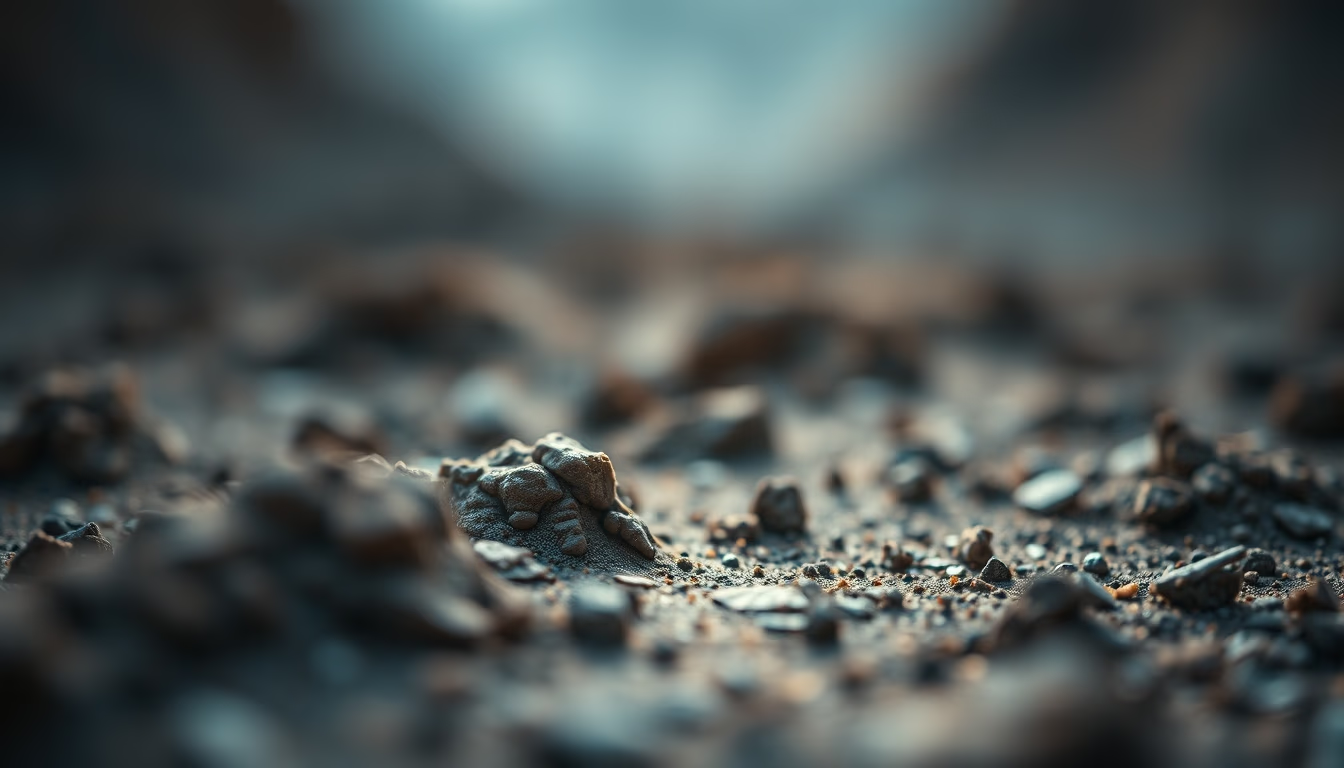
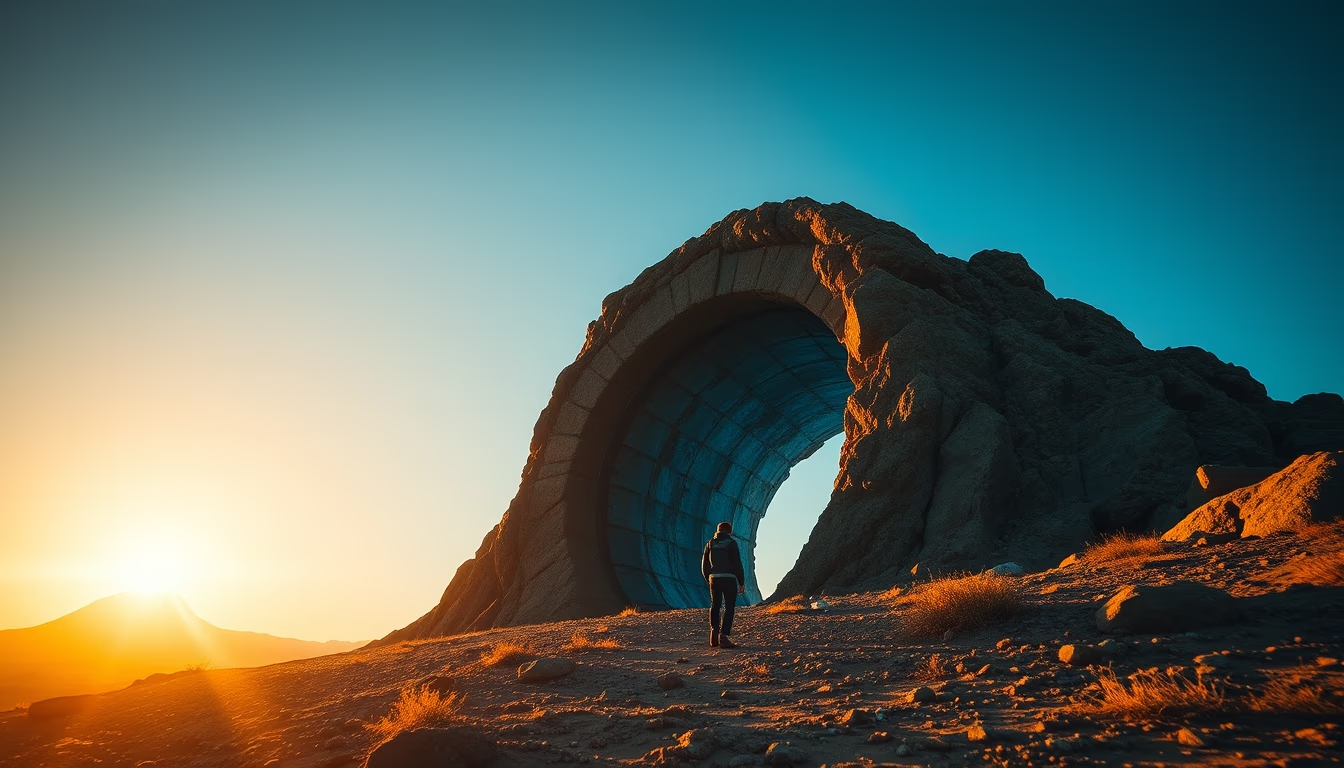
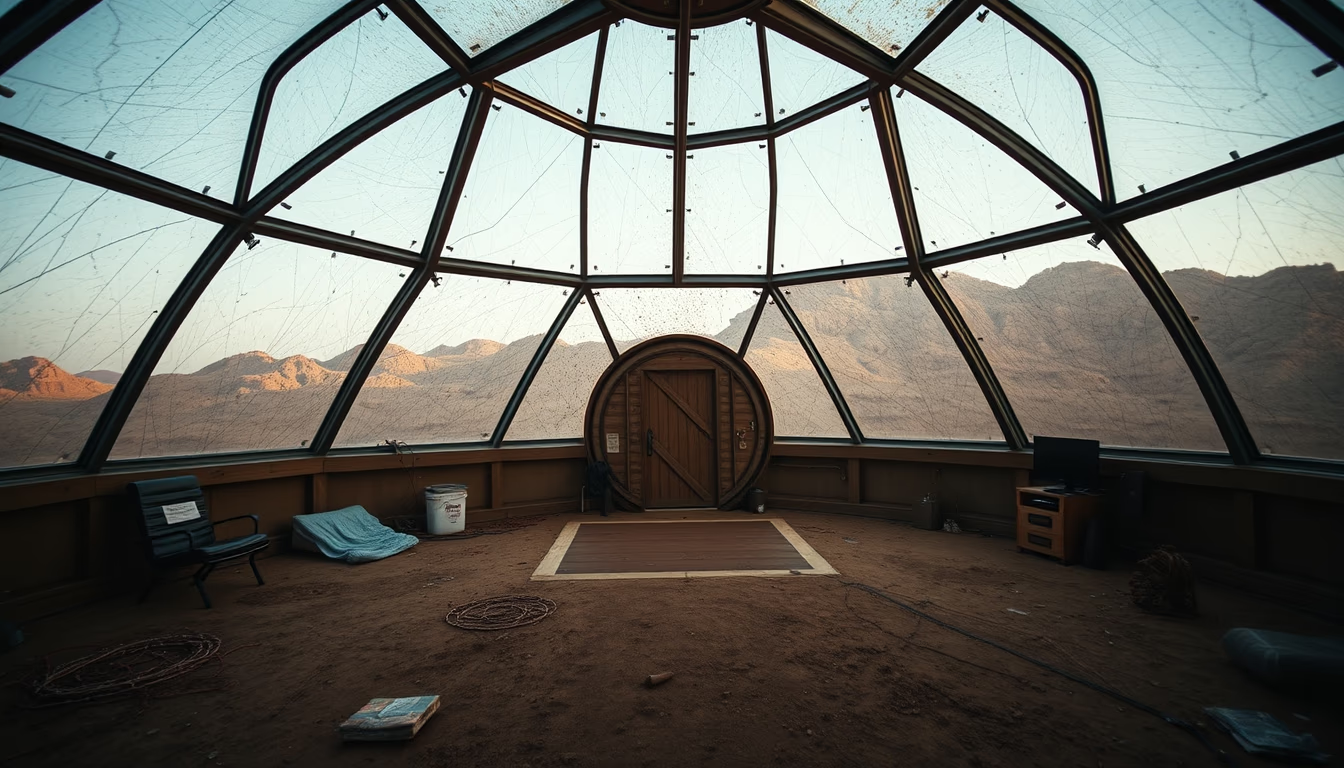
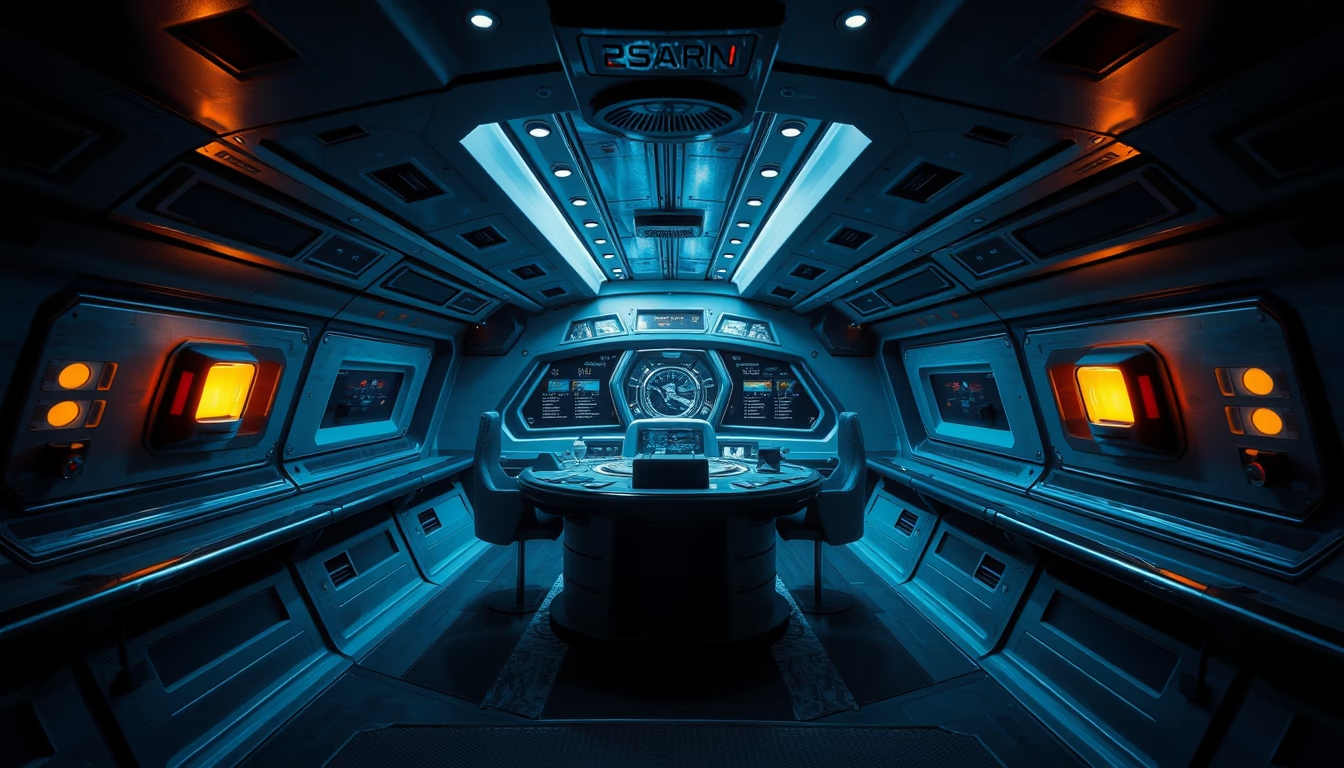
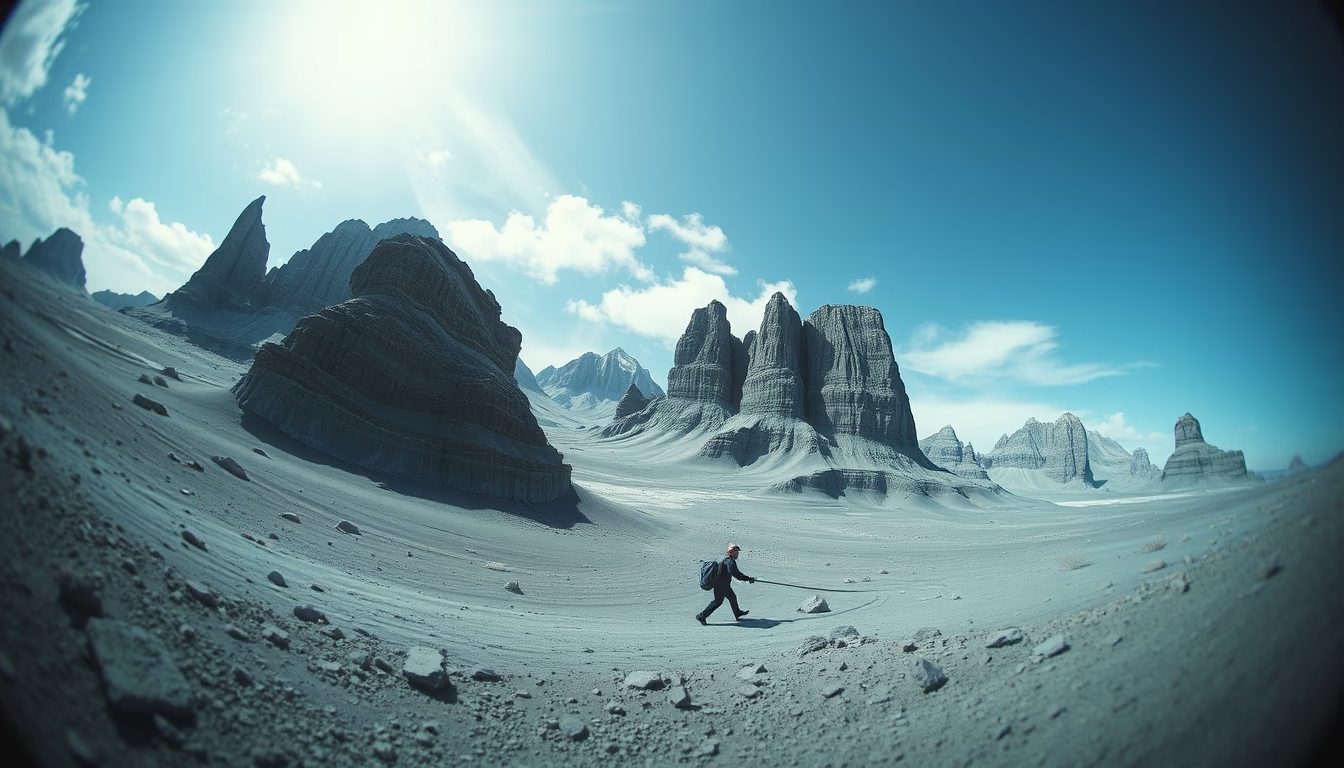
Conceptual alien landscapes spark imagination about distant worlds, combining science and art to depict extraterrestrial environments.
About this subject
Conceptual alien landscapes are artistic representations of worlds that might exist in other star systems. They often draw on real scientific data, such as the atmospheric composition of exoplanets, surface gravity, and stellar radiation. For instance, super-Earth type planets may have orange skies due to high methane concentrations, while ocean worlds feature horizons with no land. Artists like Chesley Bonestell and Syd Mead popularized the genre in the 20th century, influencing science fiction cinema and literature.
Globally, NASA and other space agencies use conceptual illustrations to communicate exoplanet discoveries, such as the TRAPPIST-1 system, which has seven rocky planets. These images help the public visualize complex data, like the habitable zone and the possibilities for life. The color of the sky on an alien planet depends on the parent star: around red dwarfs, the sky may be deep red, while around F-type stars, it might be white or pale blue. Vegetation, if it exists, could be black to absorb infrared light or purple due to pigments different from chlorophyll.
Curiously, tidal locking, where one side of the planet always faces the star, can create stark contrasts between a permanent day side and a frozen night side. Such details enrich conceptual landscapes, making them plausible and educational. They also inspire real scientific hypotheses about exoplanet atmospheres and geology.
Frequently Asked Questions
How do artists create realistic alien landscapes?
They rely on scientific data from exoplanets, such as atmospheric composition, gravity, and star type. Visual references from natural phenomena on Earth, like deserts or glaciers, are also used to create plausible textures and colors.
Are conceptual alien landscapes used only in fiction?
No, space agencies like NASA and ESA use them to illustrate scientific discoveries and communicate to the public what newly discovered planets might look like, such as those in the TRAPPIST-1 system.
What is the importance of these images for science?
They help visualize complex data and generate hypotheses about alien atmospheres and geology. They also inspire further research by suggesting scenarios that can be tested with telescopes like the James Webb.
Direct URL
https://pub-c7d6a6ea828543ac903a74a341ccb2e1.r2.dev/imagens/alien-landscape-concept-macro-closeup-fresh5.avifHow to credit
Include a visible link back to UtilizAí. Copy one of the snippets below:
<a href="https://xn--utiliza-eza.com/en/midia/imagens/alien-landscape-concept-macro-closeup-fresh5">Alien landscape concept</a> by <a href="https://xn--utiliza-eza.com">UtilizAí</a>, licensed under <a href="https://creativecommons.org/licenses/by/4.0/">CC BY 4.0</a>.
[Alien landscape concept](https://xn--utiliza-eza.com/en/midia/imagens/alien-landscape-concept-macro-closeup-fresh5) by [UtilizAí](https://xn--utiliza-eza.com), CC BY 4.0
License: CC-BY-4.0