Aircraft carrier deck
1344×768 · AVIF · CC BY 4.0
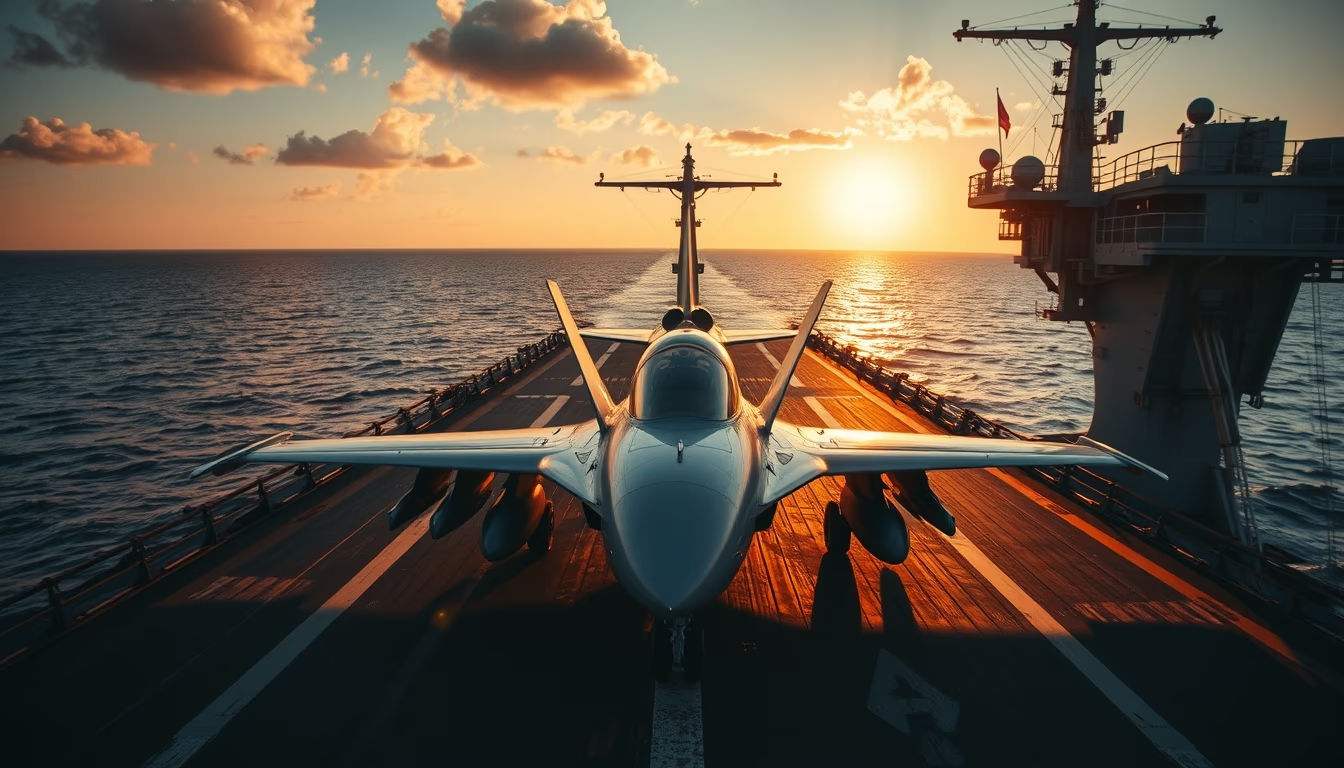
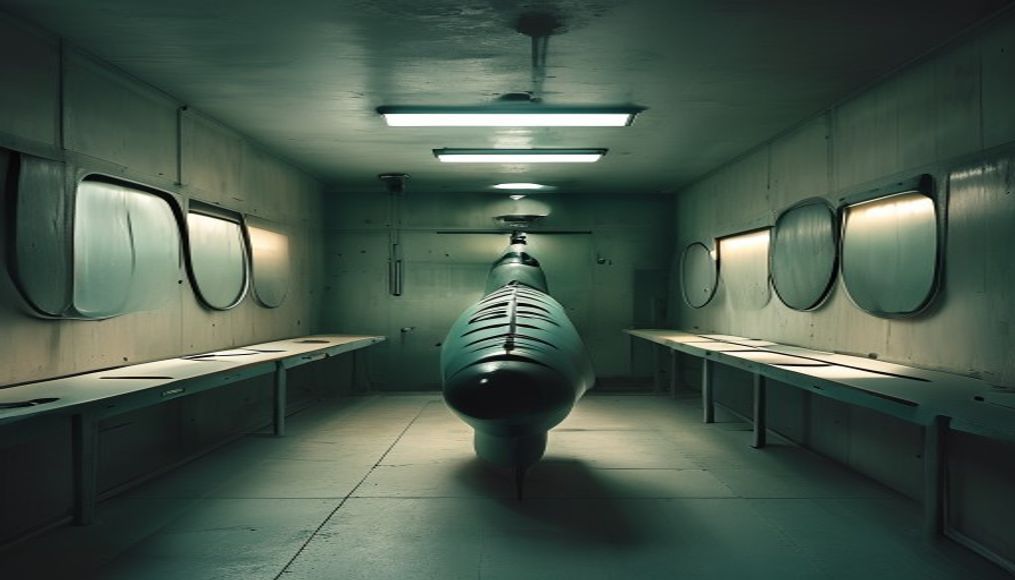
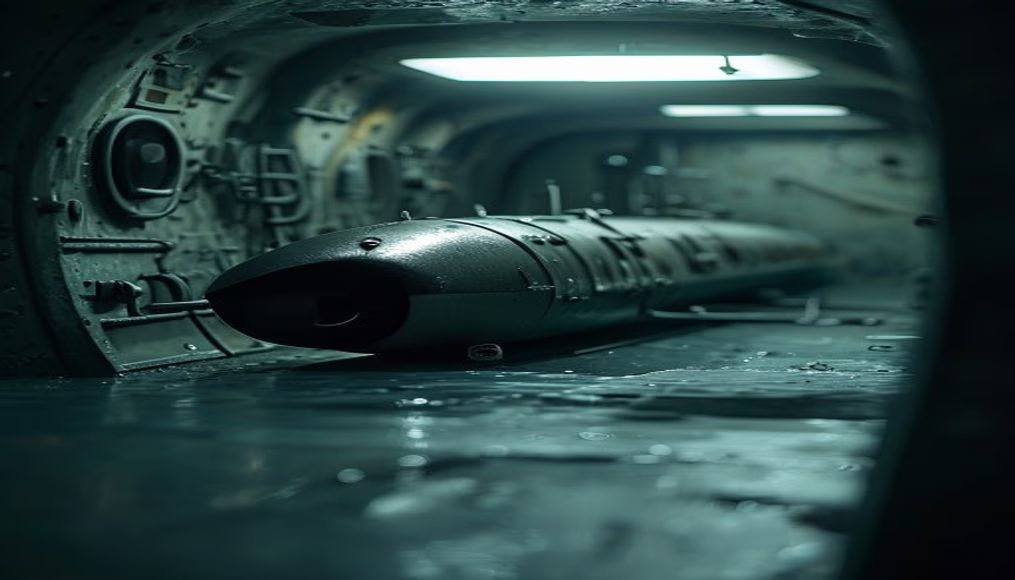
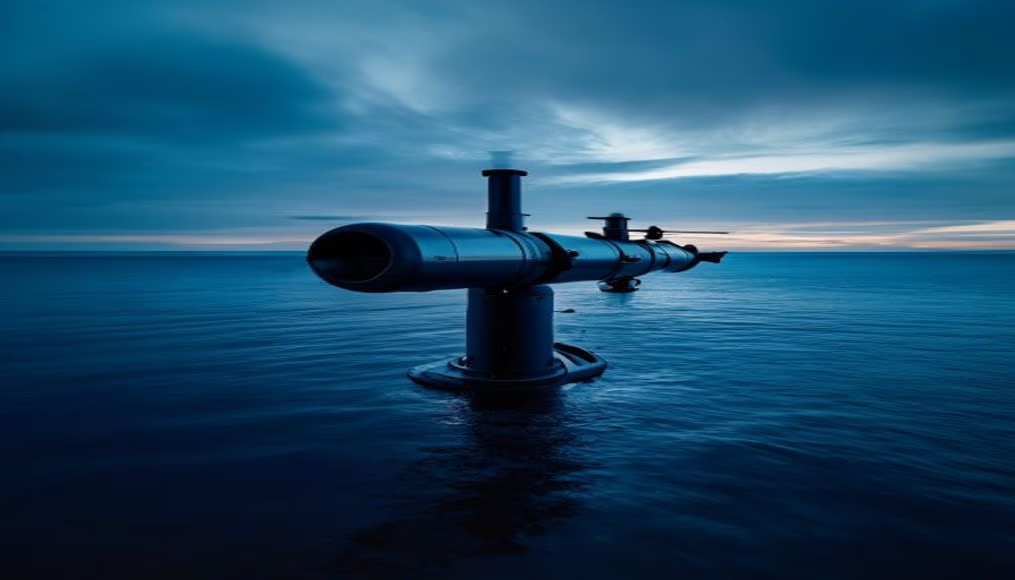
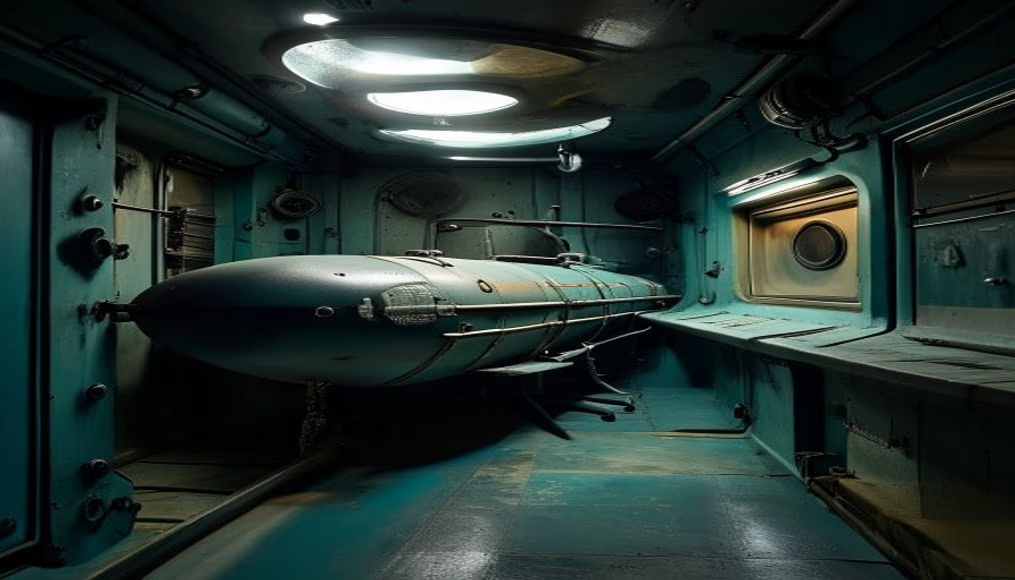
The aircraft carrier deck is a vital flight deck for naval aviation operations, combining advanced engineering and military power.
About this subject
The flight deck of an aircraft carrier is a structure designed for intense air operations, serving as a runway for fixed-wing aircraft. On modern ships like the Nimitz class (USA) or the NAe Atlântico (Brazil), the deck measures between 300 and 330 meters in length. The surface is coated with non-skid, heat-resistant materials, and the design includes an angled deck (usually 9 to 13 degrees) that separates landing and takeoff areas, enabling simultaneous operations.
Launch and recovery systems are critical. Steam or electromagnetic catapults (EMALS) accelerate heavy aircraft from 0 to 240 km/h in just 2 seconds. For landing, arrestor wires stop planes within about 90 meters. The deck crew, identified by colored vests (green for launch, yellow for handling, etc.), coordinates every move with precision. A carrier can launch up to 120 sorties per day.
Culturally, the flight deck symbolizes naval power projection and global rapid response. Countries like France, India, Russia, and China maintain carriers, each with technical peculiarities. The deck is also the stage for air shows and public visits, highlighting naval engineering. Brazil, after decommissioning NAe São Paulo (ex-Foch), currently operates NAe Atlântico, an amphibious assault ship that operates helicopters and STOVL aircraft.
A technical curiosity: the angled deck was introduced by the Royal Navy in the 1950s, allowing bolter (missed landing) aircraft to take off again without colliding with parked planes. The deck also features numbered parking spots (spots) that optimize flow. The deck material must withstand exhaust temperatures up to 1,500°C from fighter jets.
Frequently Asked Questions
What is the function of the angled deck on an aircraft carrier?
The angled deck allows aircraft to land and take off simultaneously, increasing operational tempo. The inclination, typically between 9 and 13 degrees, separates landing and takeoff areas, reducing collision risk.
How do aircraft take off from an aircraft carrier?
They use steam or electromagnetic catapults that accelerate the aircraft from 0 to 240 km/h in about 2 seconds. For lighter aircraft like the AV-8B Harrier, takeoff can be vertical (STOVL).
How long is a typical aircraft carrier deck?
Modern carriers like the Nimitz class have decks approximately 332 meters in length. Smaller ships like the NAe Atlântico are about 203 meters.
Direct URL
https://pub-c7d6a6ea828543ac903a74a341ccb2e1.r2.dev/imagens/aircraft-carrier-deck-travel-photography-p2.avifHow to credit
Include a visible link back to UtilizAí. Copy one of the snippets below:
<a href="https://xn--utiliza-eza.com/en/midia/imagens/aircraft-carrier-deck-travel-photography-p2">Aircraft carrier deck</a> by <a href="https://xn--utiliza-eza.com">UtilizAí</a>, licensed under <a href="https://creativecommons.org/licenses/by/4.0/">CC BY 4.0</a>.
[Aircraft carrier deck](https://xn--utiliza-eza.com/en/midia/imagens/aircraft-carrier-deck-travel-photography-p2) by [UtilizAí](https://xn--utiliza-eza.com), CC BY 4.0
License: CC-BY-4.0