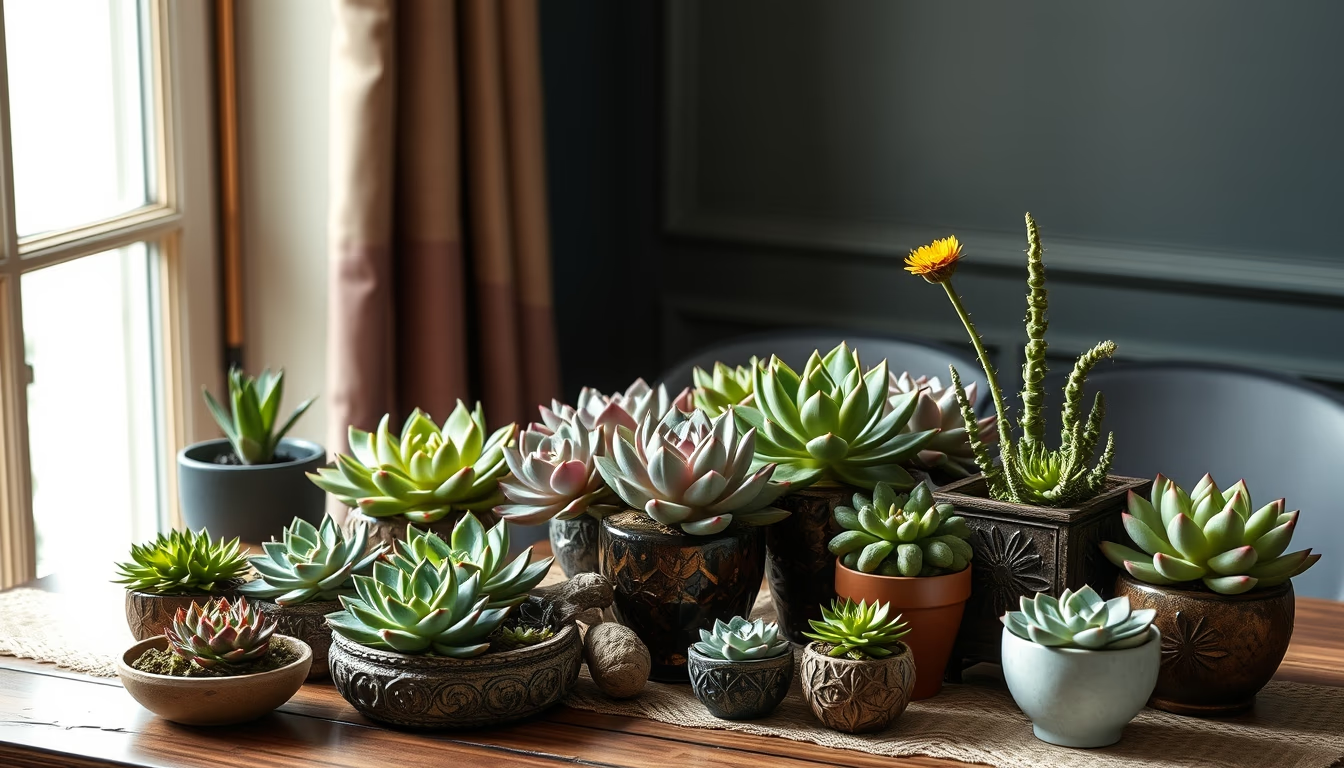
Air plants tillandsia
1344×768 · AVIF · CC BY 4.0

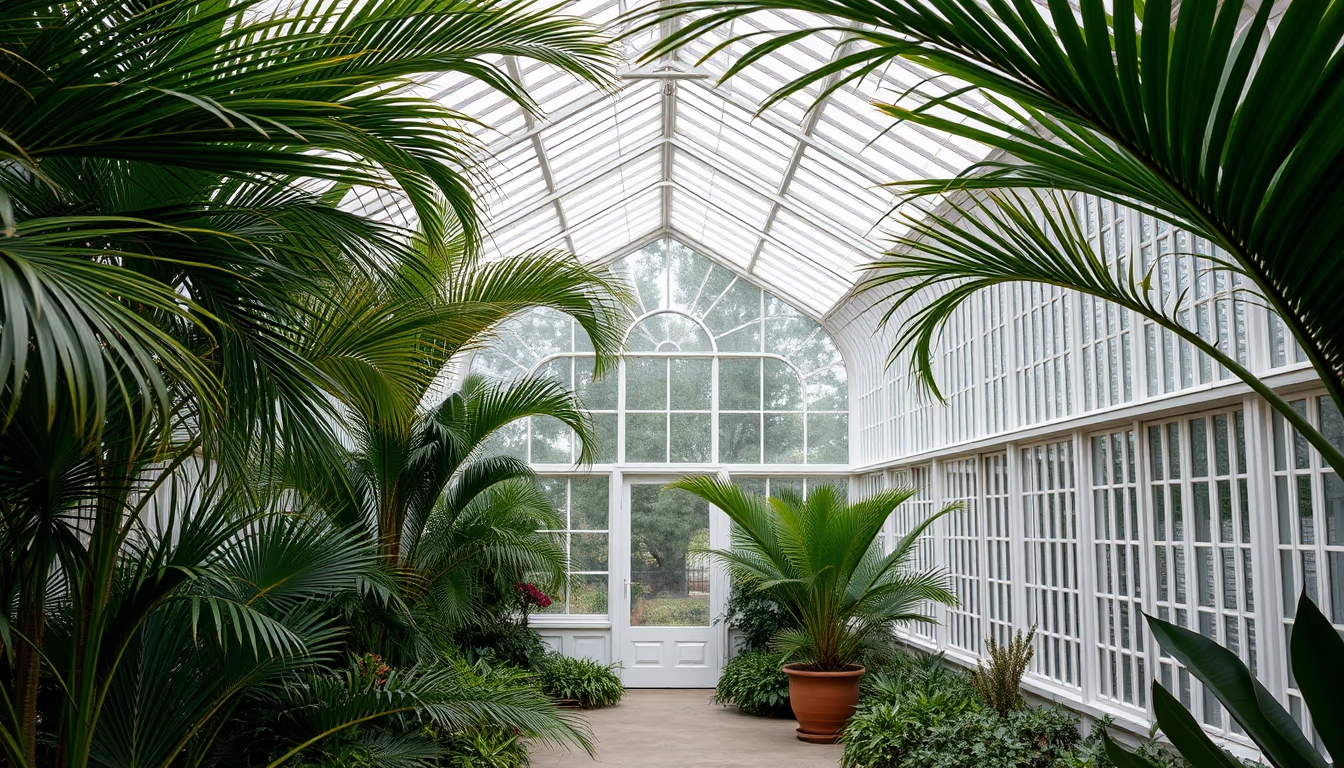
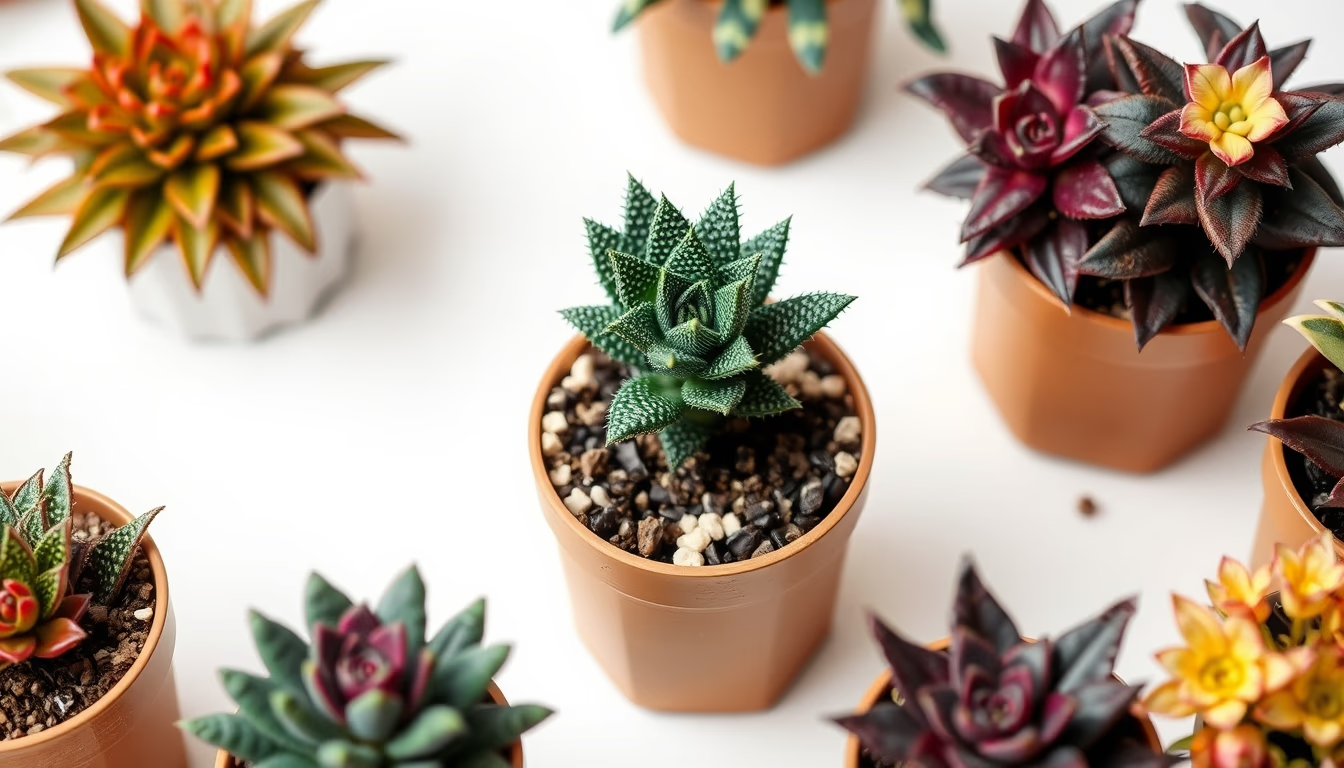
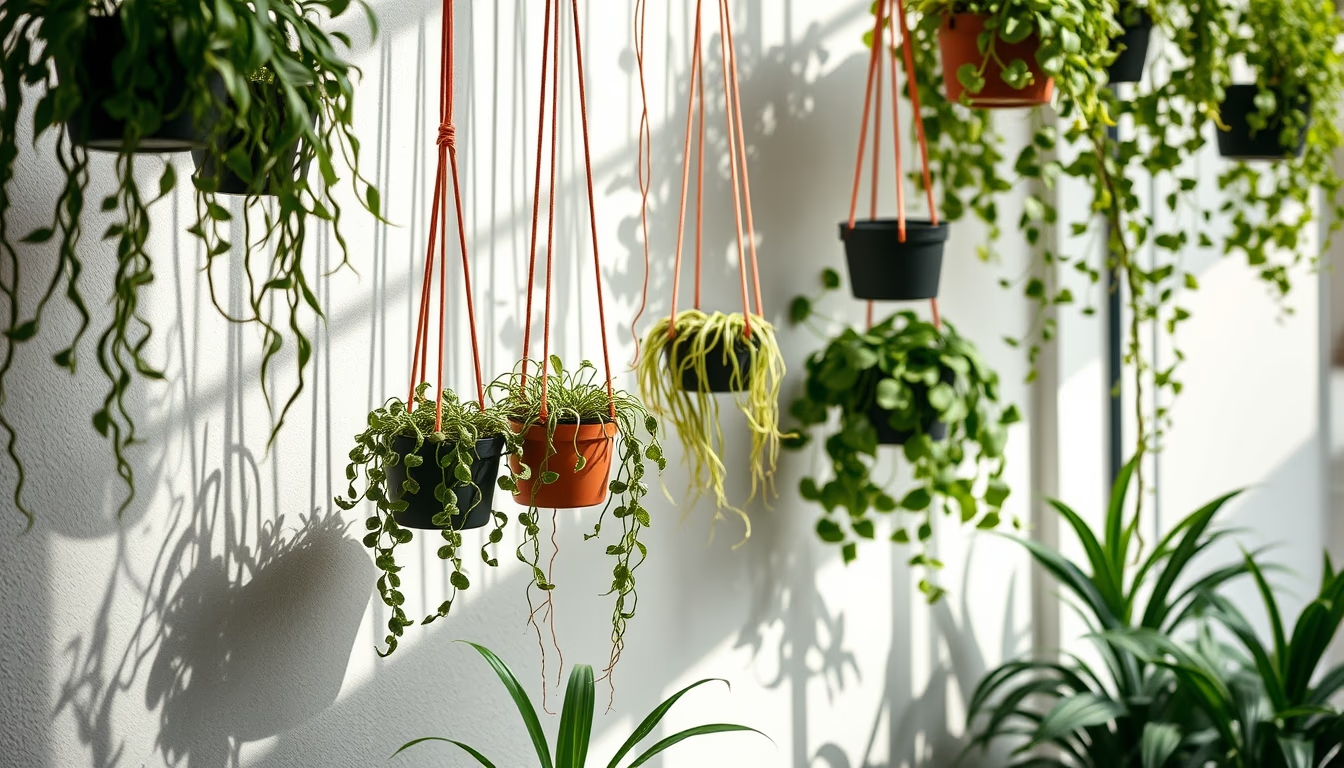
Tillandsias, commonly known as air plants, are epiphytic bromeliads that absorb water and nutrients through their leaves, requiring no soil and excelling in modern decor.
About this subject
Tillandsias, commonly known as air plants, belong to the Bromeliaceae family and are native to the Americas, ranging from the southern United States to Argentina. These epiphytic plants naturally grow on tree branches, rocks, or rooftops without parasitizing them. Their leaves are covered with trichomes, scale-like structures that capture moisture and particles from the air. There are over 650 species, varying from small moss-like balls to elongated forms with vibrant flowers. Blooming can last for weeks, with colors ranging from pink to red and purple.
In home gardening, tillandsias are prized for low maintenance. They prefer bright indirect light and good air circulation. Watering is done by weekly soaking in filtered water for 20, 30 minutes or by misting the leaves. After watering, they must dry completely to prevent rot. No soil is needed: they can be attached to wood, bark, stones, or kept in open terrariums. Diluted liquid fertilizer specific to bromeliads stimulates growth.
Culturally, tillandsias gained prominence in the 1970s with the terrarium movement and more recently in interior design as living, sculptural elements. In fashion editorial shoots, they are used to create natural and sophisticated atmospheres, contrasting with fabrics and metals. The term "air plant" became popular in the 1980s when Tillandsia ionantha became a common gift. In Brazil, they are known as cravo-do-mato and occur in restingas and tropical forests.
Interesting facts: Some tillandsias can complete their entire life cycle without touching soil. They produce offsets (pups) after blooming, which can be separated when they reach one-third the size of the mother plant. Growth is slow, but drought resistance is remarkable, some species survive weeks without water. In landscaping, they are ideal for green walls and vertical gardens, as they attach without substrate.
Frequently Asked Questions
How to care for air plants (tillandsias)?
Air plants need bright indirect light, good air circulation, and weekly soaking in filtered water for 20, 30 minutes. Let them dry completely after watering. No soil is required; mount them on wood, stones, or other supports.
Do air plants need soil to grow?
No, air plants are epiphytic and absorb water and nutrients through trichomes on their leaves from the air. They can be attached to surfaces like tree bark, rocks, or decorative structures without any soil.
How to propagate air plants?
After blooming, the mother plant produces offsets (pups) at the base. Once the pups reach about one-third of the mother's size, they can be carefully separated with a sterilized knife and grown individually.
Direct URL
https://pub-c7d6a6ea828543ac903a74a341ccb2e1.r2.dev/imagens/air-plants-tillandsia-high-fashion-editorial-fresh18.avifHow to credit
Include a visible link back to UtilizAí. Copy one of the snippets below:
<a href="https://xn--utiliza-eza.com/en/midia/imagens/air-plants-tillandsia-high-fashion-editorial-fresh18">Air plants tillandsia</a> by <a href="https://xn--utiliza-eza.com">UtilizAí</a>, licensed under <a href="https://creativecommons.org/licenses/by/4.0/">CC BY 4.0</a>.
[Air plants tillandsia](https://xn--utiliza-eza.com/en/midia/imagens/air-plants-tillandsia-high-fashion-editorial-fresh18) by [UtilizAí](https://xn--utiliza-eza.com), CC BY 4.0
License: CC-BY-4.0