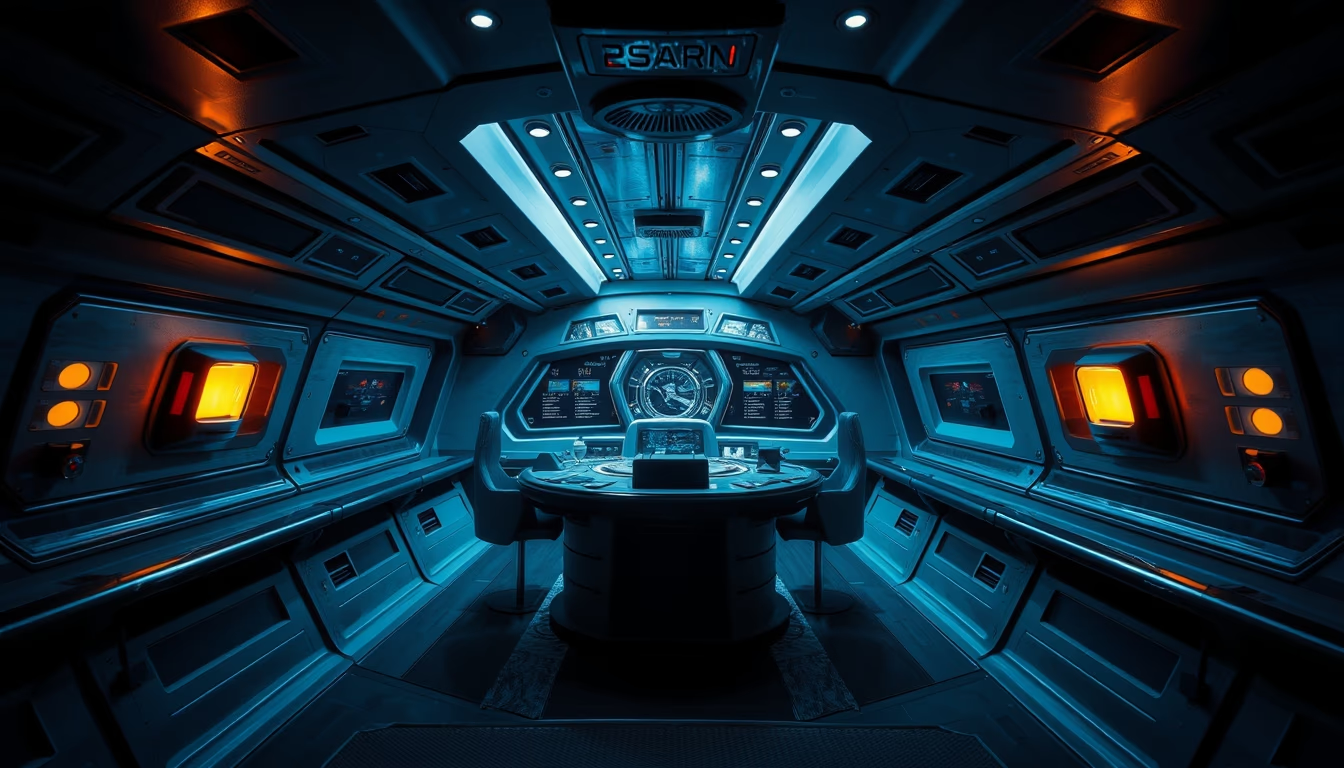
Ai core data center
1344×768 · AVIF · CC BY 4.0
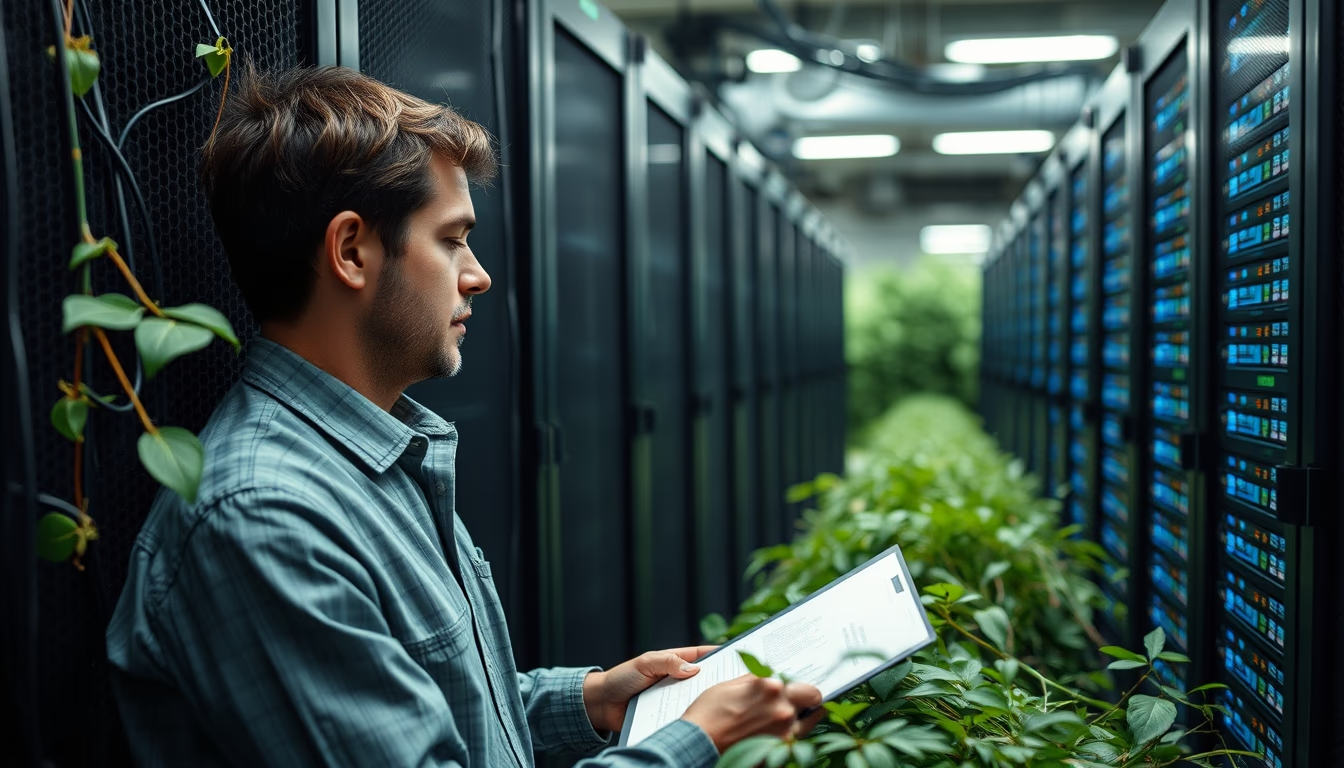
AI data centers are critical infrastructures for processing artificial intelligence models, consuming vast amounts of energy and water.
About this subject
Artificial intelligence (AI) data centers are the computational backbone behind models like GPT-4, deep neural networks, and machine learning systems. Unlike traditional data centers, AI-dedicated facilities require specialized hardware such as GPUs and TPUs, which operate at high thermal density. A single training cluster can demand tens of megawatts of electrical power, comparable to the consumption of a small city. Companies like Google, Microsoft, and Amazon invest billions of dollars in building these centers, often located in regions with access to renewable energy and cold climates to reduce cooling costs.
Geographically, major AI data center hubs are concentrated in Northern Virginia (USA), the Ashburn region, which handles about 70% of global internet traffic. In Europe, Frankfurt, Germany, stands out, while in Asia, Singapore and northern China emerge as hubs. However, rapid growth raises environmental concerns: estimates suggest AI data centers could consume up to 10% of global electricity by 2030, according to the International Energy Agency. Training a large-scale model can emit hundreds of tons of CO₂, equivalent to the annual emissions of dozens of vehicles.
In terms of design, modular and underwater data centers have been tested to improve efficiency. Microsoft, for example, experimented with Project Natick, submerging data centers on the ocean floor. Another approach is integration with renewable sources, such as dedicated wind and solar farms. Additionally, fog computing and edge computing decentralize part of the processing, reducing latency and overload on large centers. Direct liquid cooling with dielectric fluids gradually replaces traditional air conditioning systems.
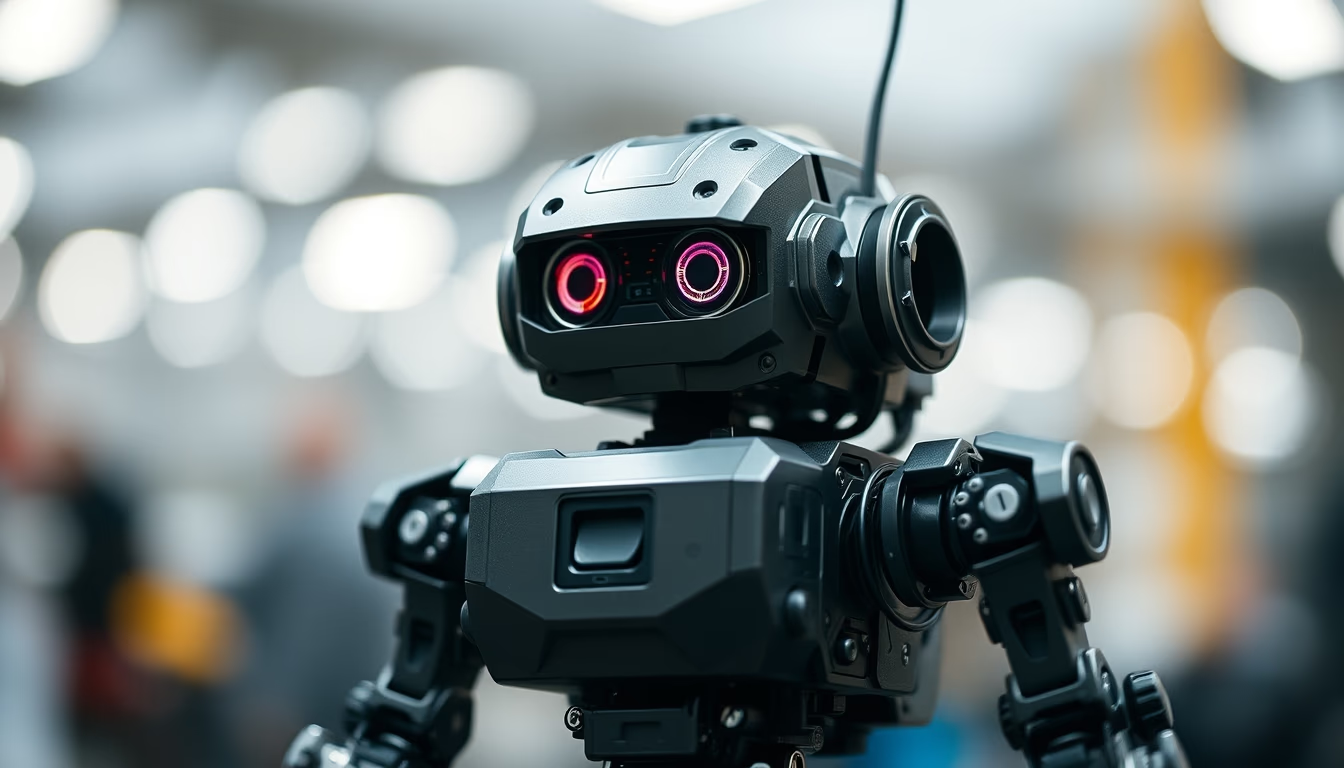
Culturally and economically, AI data centers symbolize the technological race between nations. The Chinese government plans to invest US$1.4 trillion in digital infrastructure, while the US allocates billions through the CHIPS Act. Interestingly, many data centers use artificial intelligence to optimize their own operations, predicting hardware failures and dynamically adjusting load distribution. Automation reduces human intervention needs, with robots performing maintenance on server racks.
Frequently Asked Questions
What is the difference between a traditional data center and an AI data center?
AI data centers use specialized hardware like GPUs and TPUs, which generate more heat and consume more power than conventional servers. They are designed for intensive parallel processing, while traditional data centers handle general computing workloads.
Where are the world's largest AI data centers located?
The largest are in Northern Virginia (USA), especially Ashburn, and in regions such as Frankfurt (Germany), Singapore, northern China, and the US states of Oregon and Iowa, due to access to hydropower and cool climates.
How do AI data centers affect the environment?
They consume large amounts of electricity and water for cooling. Estimates indicate the data center sector accounts for about 1% of global CO₂ emissions, and AI demand could increase this number. Companies seek renewable sources and liquid cooling to mitigate impacts.
Direct URL
https://pub-c7d6a6ea828543ac903a74a341ccb2e1.r2.dev/imagens/ai-core-data-center-documentary-nature-style-fresh5.avifHow to credit
Include a visible link back to UtilizAí. Copy one of the snippets below:
<a href="https://xn--utiliza-eza.com/en/midia/imagens/ai-core-data-center-documentary-nature-style-fresh5">Ai core data center</a> by <a href="https://xn--utiliza-eza.com">UtilizAí</a>, licensed under <a href="https://creativecommons.org/licenses/by/4.0/">CC BY 4.0</a>.
[Ai core data center](https://xn--utiliza-eza.com/en/midia/imagens/ai-core-data-center-documentary-nature-style-fresh5) by [UtilizAí](https://xn--utiliza-eza.com), CC BY 4.0
License: CC-BY-4.0