Zen rock garden
1344×768 · AVIF · CC BY 4.0
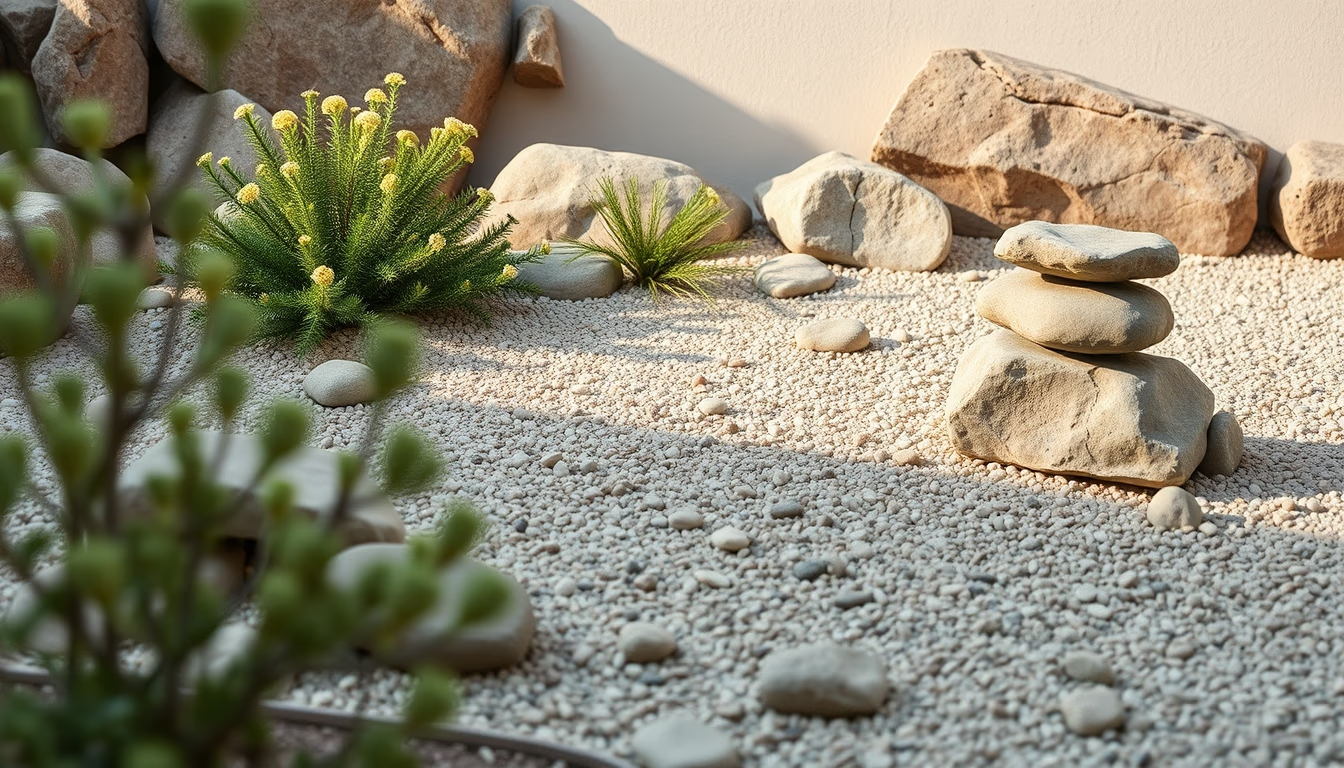
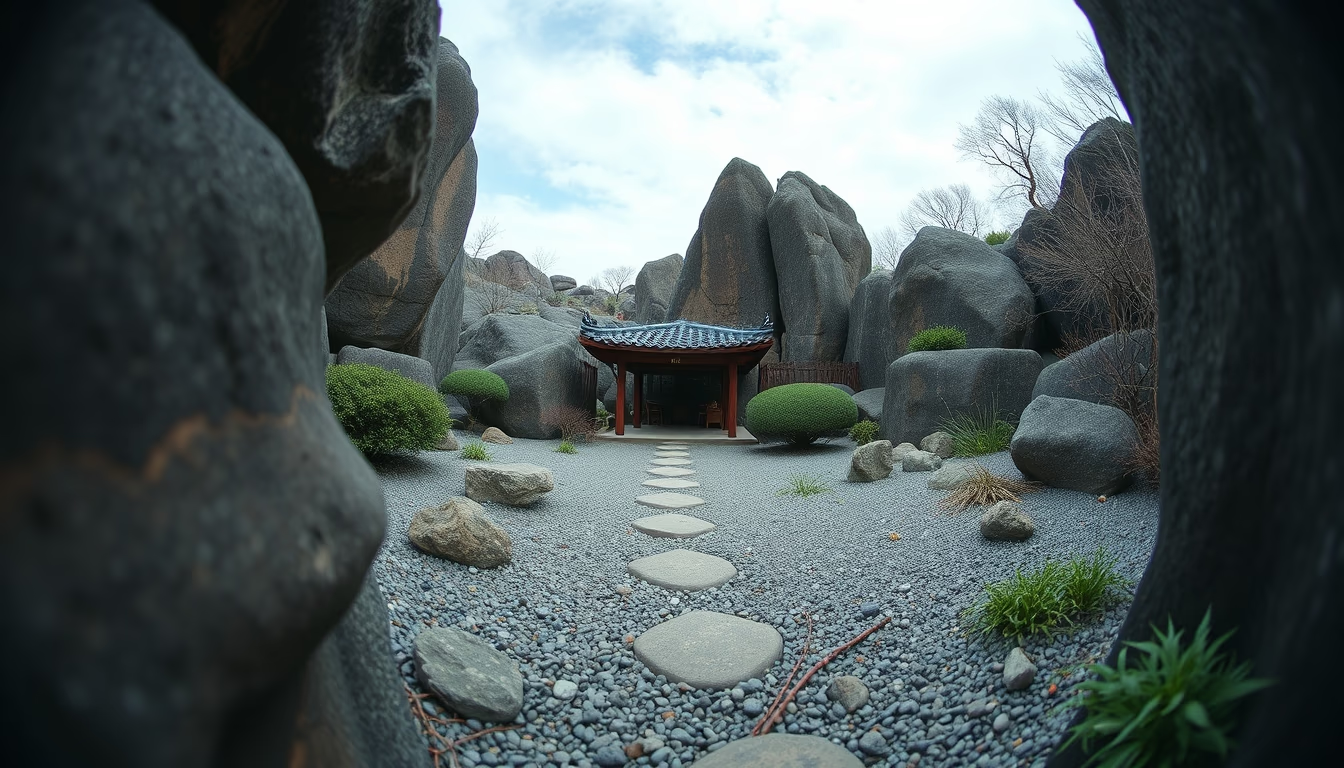
The Japanese dry garden (kare-sansui) is an art form using rocks, sand, and gravel to represent miniature natural landscapes, inviting contemplation.
About this subject
The Zen rock garden, or kare-sansui (dry landscape), is an artistic and spiritual expression that emerged in Japan during the Muromachi period (1336-1573). Characterized by the minimalist use of rocks, white sand or gravel, and moss, it seeks to symbolize natural elements such as mountains, rivers, and islands. The sand is often raked into wavy patterns representing flowing water or ocean waves, while rocks are arranged to evoke waterfalls, bridges, or animals.
These gardens are typical of Zen temples, especially in Kyoto, like the famous Ryoanji, whose rock garden attracts visitors from around the world. Unlike Western gardens, kare-sansui is not meant to be walked through but observed from a fixed viewpoint, usually from a veranda or meditation hall. Contemplating the garden is part of Zen practice, helping to calm the mind and perceive the essence of nature.
Maintenance of the garden is a ritual in itself: monks or gardeners rake and redraw the patterns in the sand daily, renewing the visual experience. Each garden is unique, yet all share the philosophy of simplicity, harmony, and impermanence. Interestingly, many Zen gardens were inspired by Chinese ink paintings, which also use few strokes to suggest vast landscapes.
Globally, the Zen rock garden has become an icon of Japanese culture, influencing interior design, landscape architecture, and even mindfulness practices in the West. Miniature versions are popular as desktop decorative items, inviting meditative breaks in daily life.
Frequently Asked Questions
What is the difference between a Zen garden and a Japanese garden?
A Zen garden (kare-sansui) is a specific type of Japanese garden focused on meditation and abstract symbolism with rocks and sand. Japanese gardens can include ponds, bridges, plants, and tea houses, being more diverse.
Can I create a Zen garden at home?
Yes, it is possible to create miniature versions with a tray, fine sand, small rocks, and a rake. Kits are available in decor stores or online.
Why are the sand patterns made?
The wavy patterns represent water or waves, and raking the sand is a meditative practice of mindfulness. The designs are renewed daily to reflect impermanence.
Direct URL
https://pub-c7d6a6ea828543ac903a74a341ccb2e1.r2.dev/imagens/zen-rock-garden-minimalist-composition-fresh6.avifHow to credit
Include a visible link back to UtilizAí. Copy one of the snippets below:
<a href="https://xn--utiliza-eza.com/en/midia/imagens/zen-rock-garden-minimalist-composition-fresh6">Zen rock garden</a> by <a href="https://xn--utiliza-eza.com">UtilizAí</a>, licensed under <a href="https://creativecommons.org/licenses/by/4.0/">CC BY 4.0</a>.
[Zen rock garden](https://xn--utiliza-eza.com/en/midia/imagens/zen-rock-garden-minimalist-composition-fresh6) by [UtilizAí](https://xn--utiliza-eza.com), CC BY 4.0
License: CC-BY-4.0