Zen rock garden
1344×768 · AVIF · CC BY 4.0
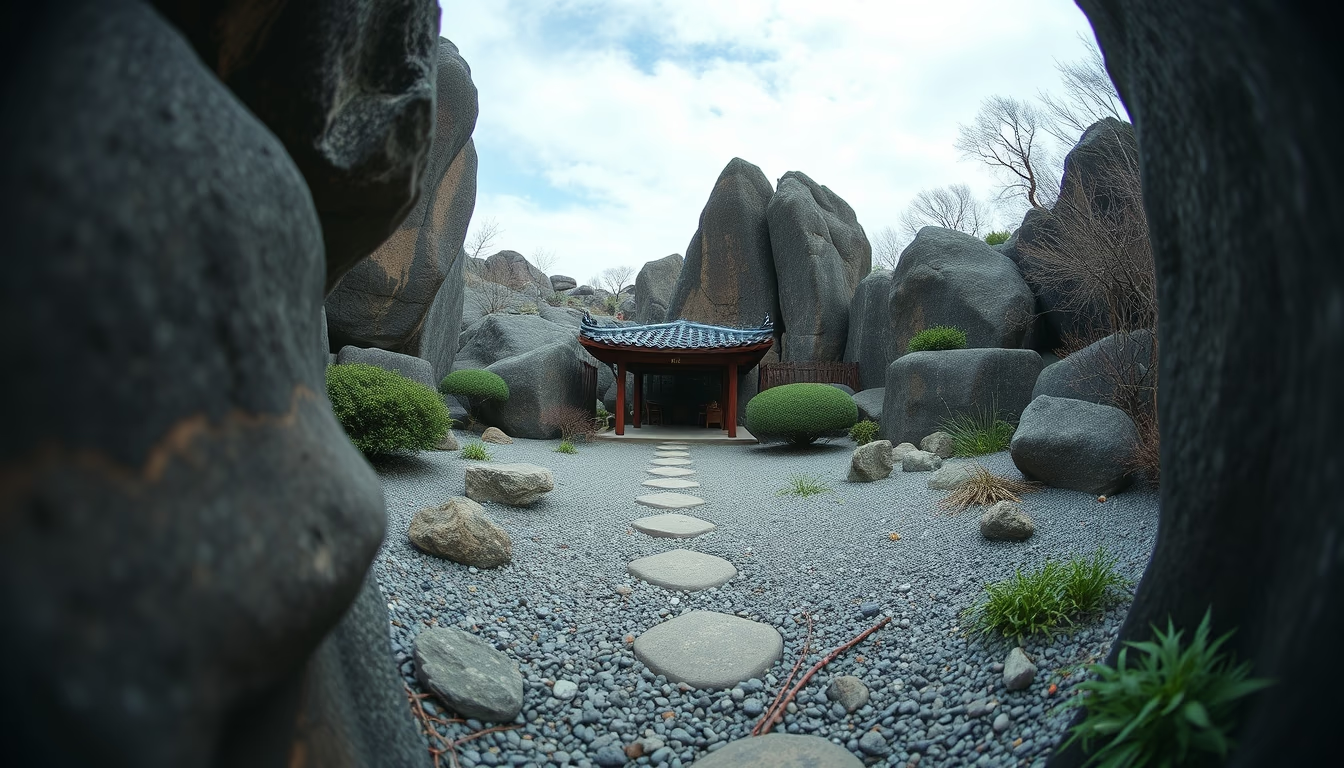
Zen rock gardens, or karesansui, are minimalist expressions of Japanese aesthetics that invite silent meditation.
About this subject
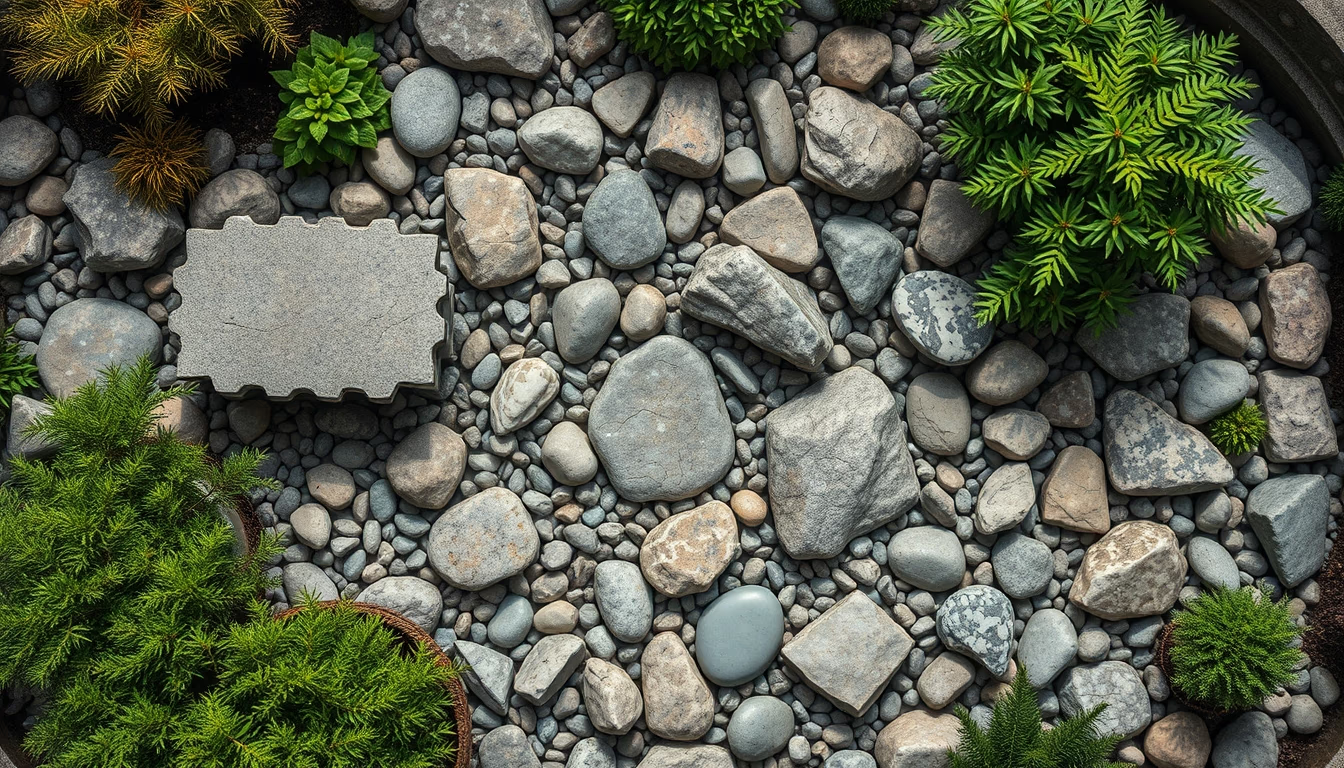
Zen rock gardens, known as karesansui, are a form of dry landscape gardening that originated in Japan during the Muromachi period (1336, 1573). Unlike traditional gardens, they do not use water but represent it through fine gravel or sand meticulously raked into patterns evoking waves or rivers. Rocks are arranged asymmetrically, often in groups of three or five, symbolizing islands, mountains, or animals. Each element is chosen to create a composition that inspires contemplation and simplicity.
The aesthetics of Zen gardens are deeply tied to the concept of wabi-sabi, which values imperfection and transience. These spaces are designed to be viewed from a single vantage point, typically the veranda of a temple, promoting a meditative experience. The act of raking the sand is also a mindfulness practice, with patterns recreated daily by monks.
In the Japanese tea ceremony (chanoyu), the dry garden plays an important role in the outdoor setting preceding entry into the tea house. The stone path (roji) leading to the chashitsu is designed to help guests leave worldly concerns behind, preparing the spirit for the ritual. While the rock garden itself is not directly part of the ceremony, its aesthetic and philosophical influence is evident in the pursuit of harmony and tranquility.
Famous examples include the garden at Ryoan-ji temple in Kyoto, considered a masterpiece of the genre, with 15 rocks arranged on white gravel. Other temples such as Daitoku-ji and Myoshin-ji also feature notable examples. These gardens continue to influence contemporary landscaping and minimalist architecture worldwide.
Frequently Asked Questions
What is the purpose of a Zen rock garden?
The main purpose is to provide a space for meditation and contemplation, representing the essence of nature in an abstract and minimalist way. Each element invites introspection and inner silence.
How does the dry garden relate to the tea ceremony?
The stone path (roji) leading to the tea house is an extension of the Zen garden, mentally preparing guests for the ritual. The Zen aesthetic influences the simplicity and harmony sought in the tea ceremony.
Where can I see a famous Zen rock garden?
The garden at Ryoan-ji temple in Kyoto is the most famous, featuring 15 rocks on white gravel. Other temples such as Daitoku-ji and Myoshin-ji also have iconic examples in Japan.
Direct URL
https://pub-c7d6a6ea828543ac903a74a341ccb2e1.r2.dev/imagens/zen-rock-garden-fish-eye-wide-angle-fresh18.avifHow to credit
Include a visible link back to UtilizAí. Copy one of the snippets below:
<a href="https://xn--utiliza-eza.com/en/midia/imagens/zen-rock-garden-fish-eye-wide-angle-fresh18">Zen rock garden</a> by <a href="https://xn--utiliza-eza.com">UtilizAí</a>, licensed under <a href="https://creativecommons.org/licenses/by/4.0/">CC BY 4.0</a>.
[Zen rock garden](https://xn--utiliza-eza.com/en/midia/imagens/zen-rock-garden-fish-eye-wide-angle-fresh18) by [UtilizAí](https://xn--utiliza-eza.com), CC BY 4.0
License: CC-BY-4.0