Wool yarn skeins rainbow
1344×768 · AVIF · CC BY 4.0
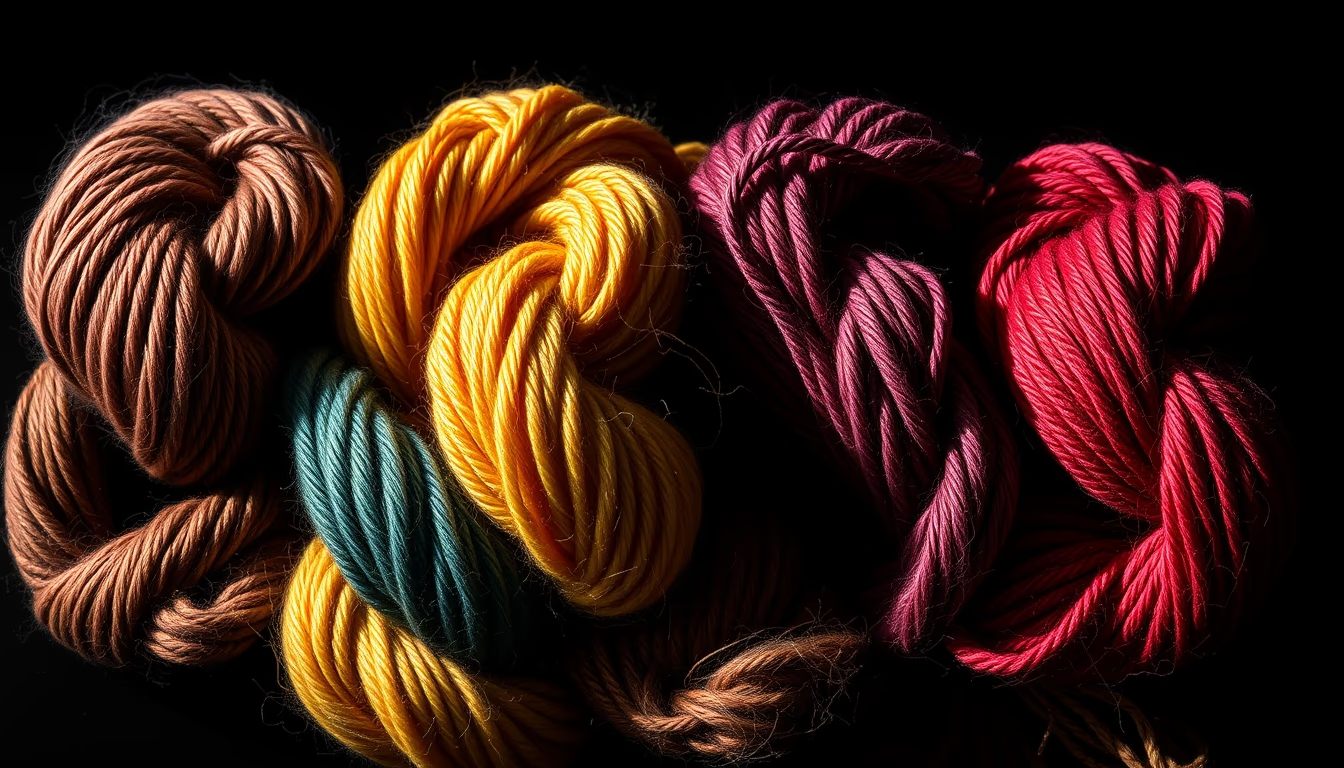
Rainbow-colored wool yarn skeins: dyeing techniques, craft uses, and fiber properties.
About this subject
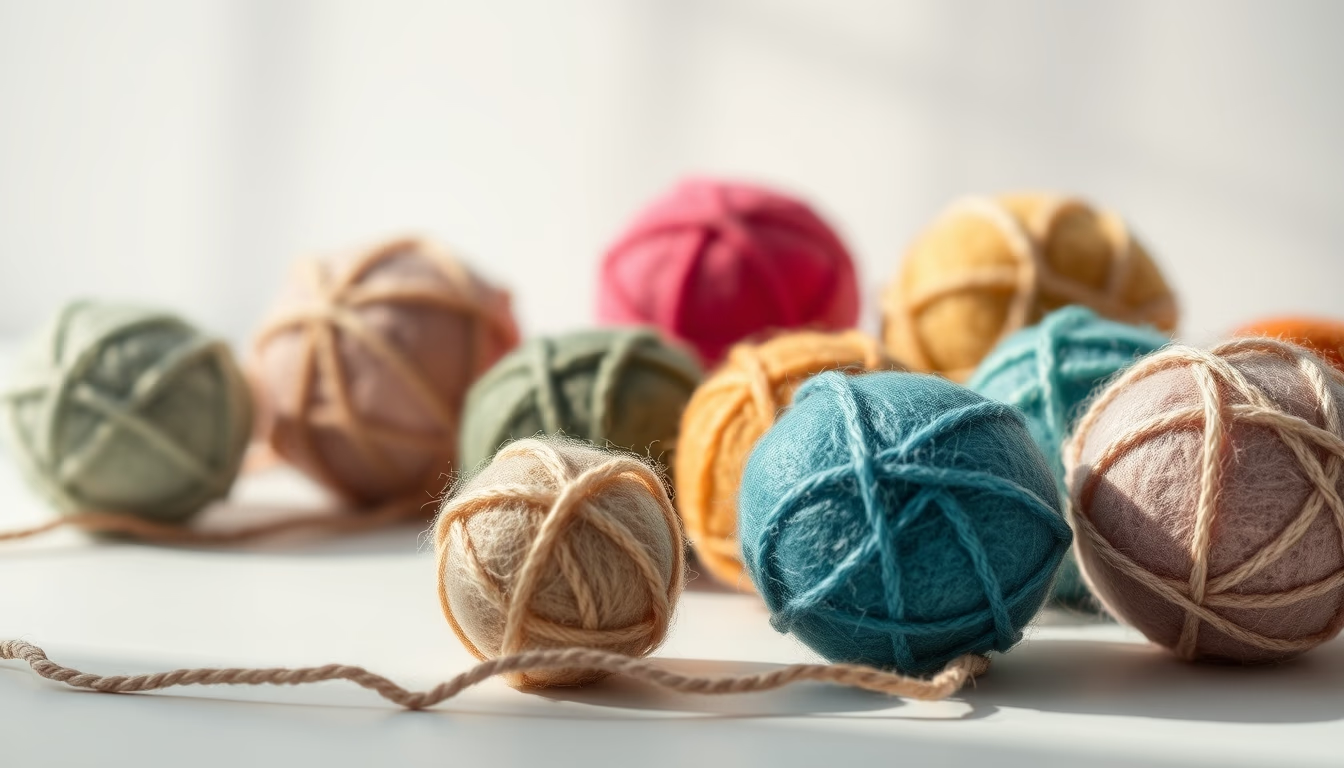
Rainbow-colored wool yarn skeins are a versatile material for knitting, crochet, and other textile crafts. Wool, a protein fiber obtained from sheep and other animals such as Angora goats (mohair) or rabbits (angora), has hydrophilic and insulating properties that make it ideal for clothing and home decor items. Dyeing wool in vibrant spectrum colors (red, orange, yellow, green, blue, indigo, violet) is achieved using acid or reactive dyes that bond to the fiber's proteins. Historically, the production of rainbow hues was boosted by the discovery of synthetic dyes in the 19th century, especially aniline, which dramatically expanded the palette available to artisans.
In Brazil, handcrafts using colored wool are strong in the South and Southeast regions, where knitting and crochet communities produce blankets, scarves, and garments in gradients or stripes. Hand-dyeing techniques allow ombré effects or color sections, as seen in the yarn skeins pictured. Beyond aesthetics, properly dyed wool retains its natural softness and elasticity, unlike low-quality dyes that can dry out fibers.
Notably, the color order in rainbow skeins often follows Newton's sequence, but artisans frequently use custom palettes. The demand for hand-dyed wool has grown with the slow fashion movement, which values biodegradable materials and manual processes. Different sheep breeds yield distinct wool textures: Merino wool is fine and soft, ideal for baby clothes; Corriedale wool is stronger, suitable for rugs and bags. Rainbow dyeing can be applied to unprocessed fiber (top) or already spun yarn, each method producing unique shades and effects.
Frequently Asked Questions
How is rainbow-dyed wool yarn made?
It can be done with acid or reactive dyes, applied in stages to create color sections. Techniques like dip-dyeing or hand-painting with a brush achieve gradient or striped effects.
What are the main uses of rainbow wool yarn?
It is used for knitting and crochet to make scarves, hats, blankets, baby clothes, and accessories. It's also popular in tapestry and macrame projects.
Does artificially dyed wool lose quality?
Not if the process is correct. Proper acid dyes maintain softness and elasticity. Low-quality dyes or excessive heat can damage the fibers.
Direct URL
https://pub-c7d6a6ea828543ac903a74a341ccb2e1.r2.dev/imagens/wool-yarn-skeins-rainbow-rembrandt-lighting-dramatic-shadows-fresh14.avifHow to credit
Include a visible link back to UtilizAí. Copy one of the snippets below:
<a href="https://xn--utiliza-eza.com/en/midia/imagens/wool-yarn-skeins-rainbow-rembrandt-lighting-dramatic-shadows-fresh14">Wool yarn skeins rainbow</a> by <a href="https://xn--utiliza-eza.com">UtilizAí</a>, licensed under <a href="https://creativecommons.org/licenses/by/4.0/">CC BY 4.0</a>.
[Wool yarn skeins rainbow](https://xn--utiliza-eza.com/en/midia/imagens/wool-yarn-skeins-rainbow-rembrandt-lighting-dramatic-shadows-fresh14) by [UtilizAí](https://xn--utiliza-eza.com), CC BY 4.0
License: CC-BY-4.0