Wool yarn skeins rainbow
1344×768 · AVIF · CC BY 4.0
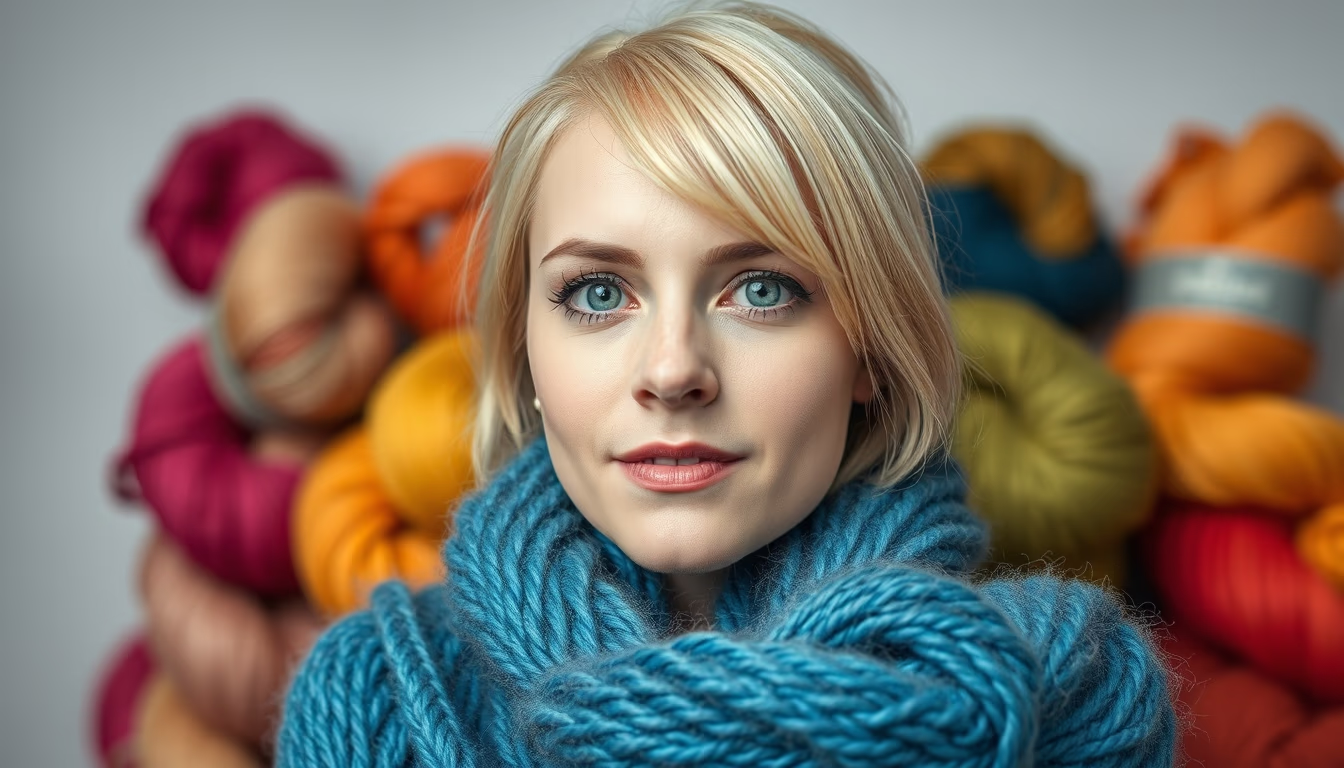
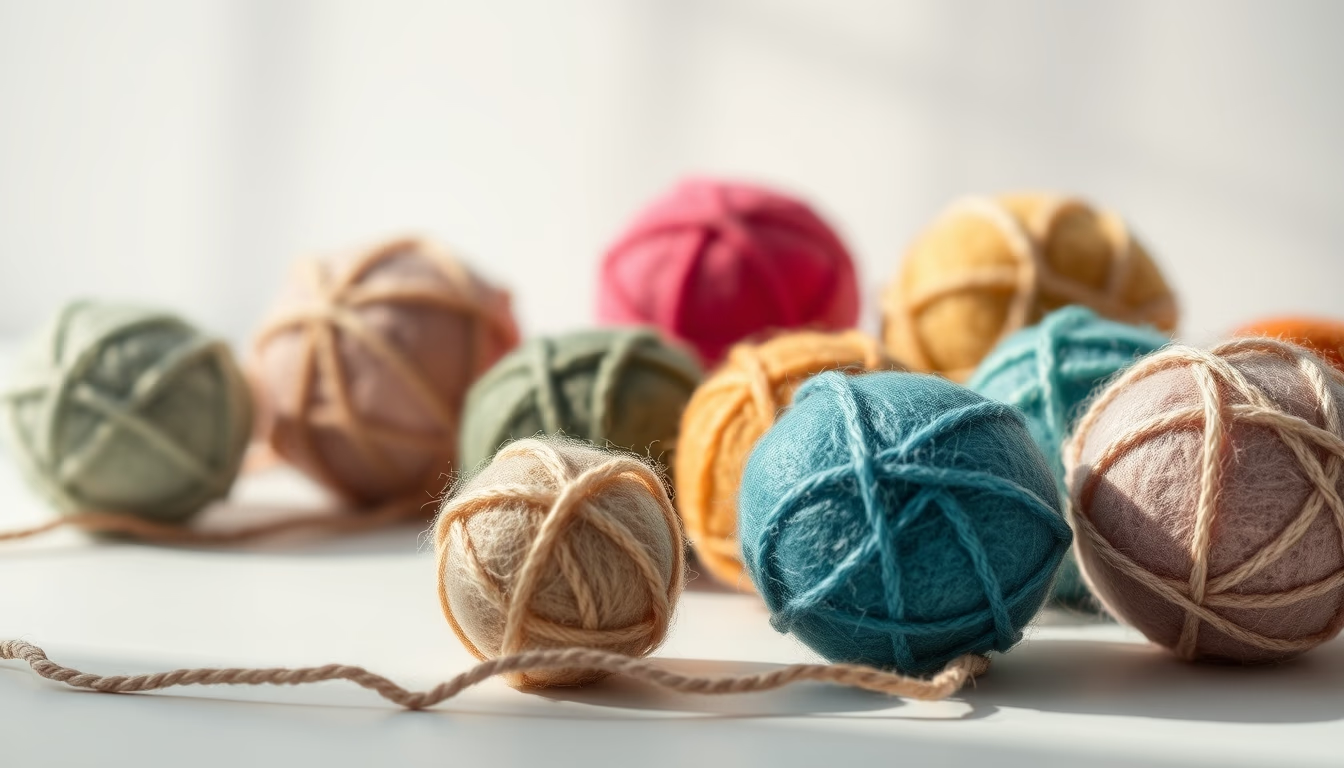
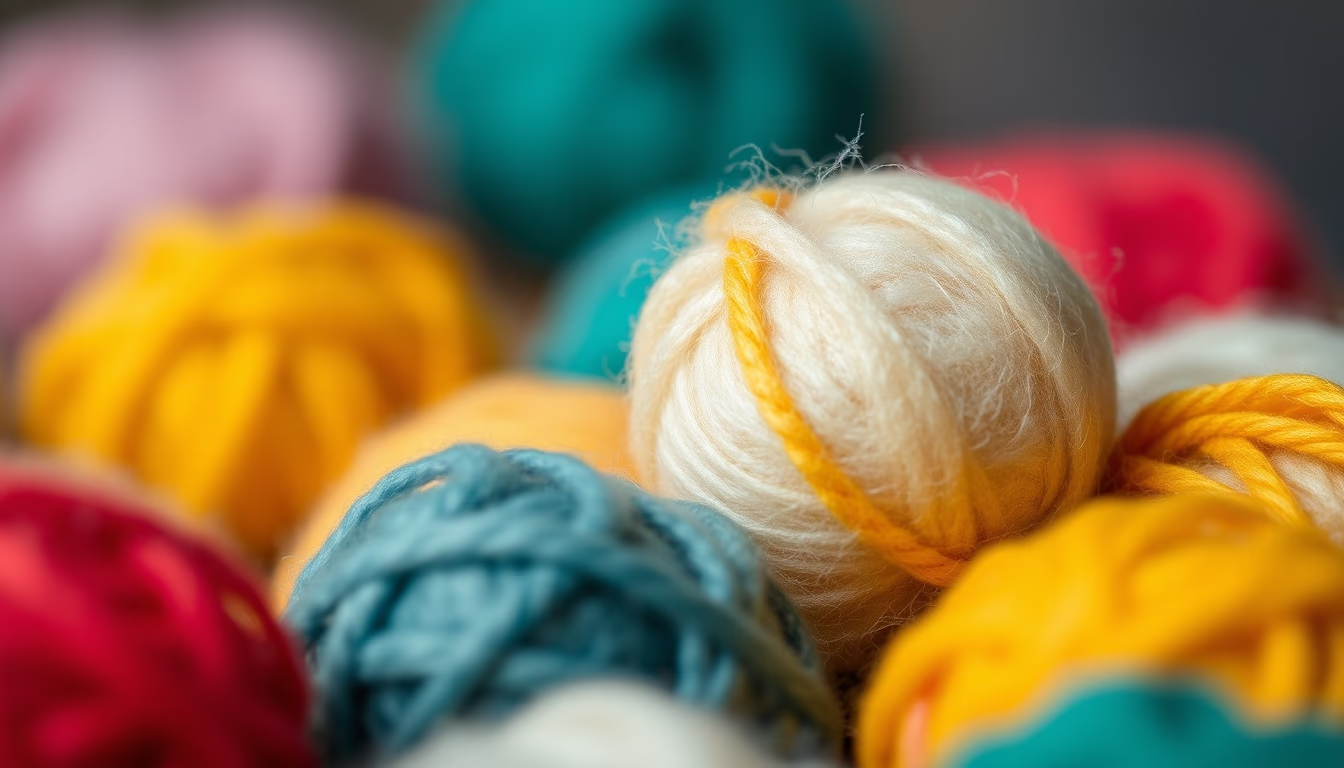
Rainbow-colored wool yarn skeins delight crafters with endless creative possibilities for knitting, crochet, and felting.
About this subject
Hand-dyed wool yarn skeins in rainbow gradients represent the pinnacle of artisanal expression. Wool, a natural fiber obtained from sheep, is prized for its softness, elasticity, and heat retention. When dyed in vibrant hues like red, orange, yellow, green, blue, and violet, each skein becomes a potential work of art. Crafters use these pieces to create scarves, blankets, hats, and amigurumi, leveraging color transitions for ombré effects.
The hand-dyeing process involves acid or vegetable dyes that penetrate the protein fibers of wool. Techniques such as hand-painting or kettle-dye allow colors to blend organically, producing unique tones. Unlike industrial production, each batch of artisanal yarn has subtle variations, adding exclusivity to finished items. The rainbow palette also carries symbolism: it represents diversity, joy, and inclusion, often used in LGBTQIA+ projects.
In Brazil, wool crafting has strong traditions in colder southern and southeastern regions, but the use of colorful skeins gained national popularity through knitting and crochet on social media. Craft groups share techniques for color joining and blocking. Material choice impacts the final result: merino wool is softer for garments, while Corriedale or Romney wool offers greater durability for rugs and baskets.
Interestingly, producing rainbow gradient skeins requires careful planning to prevent unwanted color mixing. Experienced dyers use separators during dyeing or wind the yarn into hanks first. The result is a yarn that, when knitted or crocheted, creates a hypnotic visual effect reminiscent of a sunset or abstract artwork.
Frequently Asked Questions
How are rainbow-colored wool yarn skeins made?
They are hand-dyed using acid or vegetable dyes. The yarn is wound into hanks, and colors are applied in sections to create gradients. Techniques like hand-painting or kettle-dye allow smooth transitions.
What is the difference between wool for knitting and for crochet?
Any wool can be used for both, but more twisted and durable yarns are preferred for crochet, which requires more structure. Merino wool is ideal for knitting garments worn close to the body.
What does the rainbow palette symbolize in crafts?
It symbolizes diversity, joy, and inclusion. Many crafters use these colors in projects celebrating the LGBTQIA+ community or simply to create vibrant, cheerful visual effects.
Direct URL
https://pub-c7d6a6ea828543ac903a74a341ccb2e1.r2.dev/imagens/wool-yarn-skeins-rainbow-studio-editorial-portrait-fresh17.avifHow to credit
Include a visible link back to UtilizAí. Copy one of the snippets below:
<a href="https://xn--utiliza-eza.com/en/midia/imagens/wool-yarn-skeins-rainbow-studio-editorial-portrait-fresh17">Wool yarn skeins rainbow</a> by <a href="https://xn--utiliza-eza.com">UtilizAí</a>, licensed under <a href="https://creativecommons.org/licenses/by/4.0/">CC BY 4.0</a>.
[Wool yarn skeins rainbow](https://xn--utiliza-eza.com/en/midia/imagens/wool-yarn-skeins-rainbow-studio-editorial-portrait-fresh17) by [UtilizAí](https://xn--utiliza-eza.com), CC BY 4.0
License: CC-BY-4.0