Wine cork collection
1344×768 · AVIF · CC BY 4.0
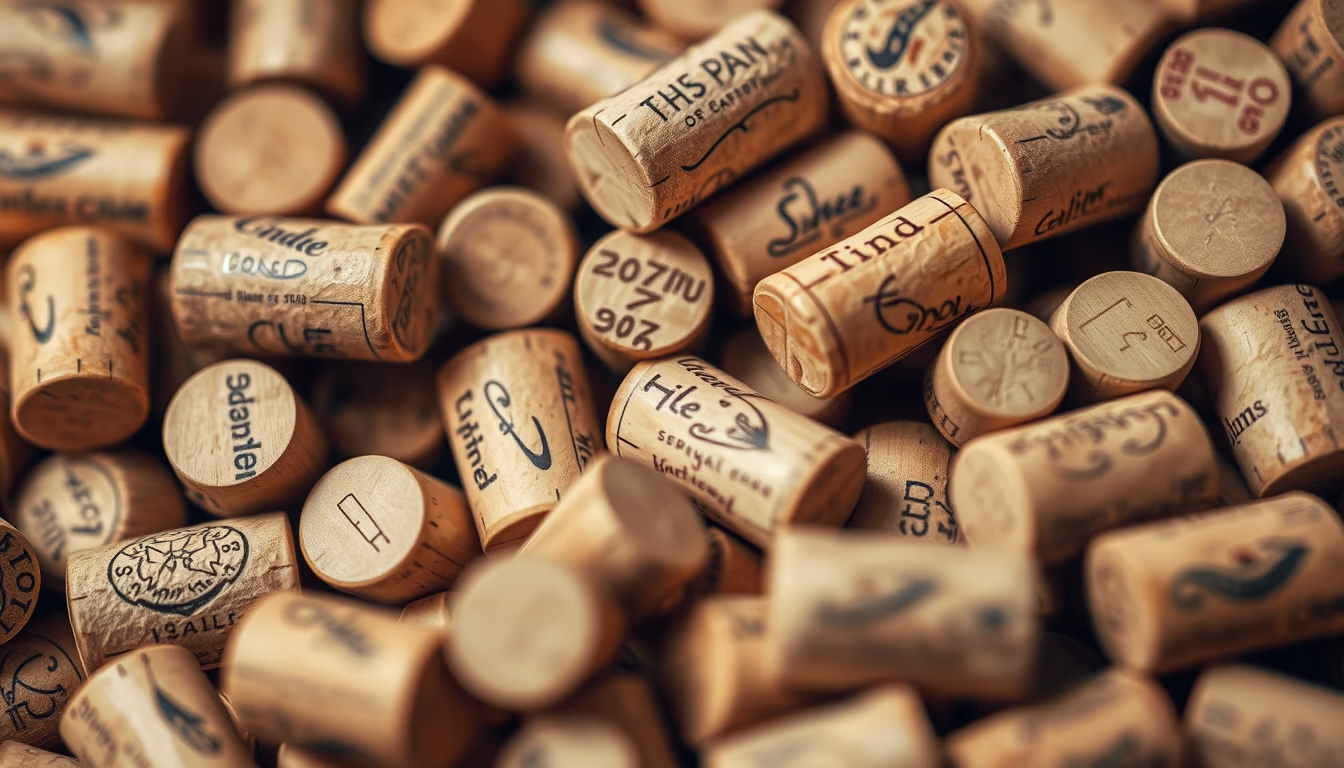
Macro close-up of a wine cork collection: types, origins, and curiosities about the material that has preserved wines for centuries.
About this subject
Wine corks are traditionally made from the bark of the cork oak tree (Quercus suber), native to the Mediterranean region, especially Portugal, the world's largest cork producer. The bark is harvested every nine years without harming the tree, making the process sustainable. Each natural cork can have up to 800 million cells per cubic centimeter, providing elasticity and an ideal seal for the bottle.
There are three main types of corks: natural (one-piece), agglomerated (composed of cork granules glued together), and technical (with an agglomerated body and natural discs on the ends). Synthetic corks (plastic) and screw caps also exist, but natural cork is preferred for wines meant to age because it allows micro-oxygenation. Collecting corks is a common hobby among wine enthusiasts: each cork tells the story of a wine, with brands, vintages, and even fire-engraved designs.
Cork also has acoustic and thermal insulation properties and is used in construction and fashion, but it shines in enology. Interestingly, cork taint (TCA) is a defect affecting about 2% of wines, but it is not actually the cork's fault, it is a chemical compound. Cork recycling is encouraged in many countries, transforming them into shoe soles, insulation, or new objects.
Frequently Asked Questions
What are the different types of wine corks?
The main types are: natural cork (one piece of bark), agglomerated cork (granules glued together), technical cork (agglomerated body with natural discs on ends), synthetic cork (plastic), and screw cap. Each has advantages for different wine styles.
How should wines with cork stoppers be stored?
Wines with natural cork should be stored on their side to keep the cork moist and prevent it from drying out, which could cause leakage or oxidation. Ideal temperature is between 10°C and 15°C with humidity around 70%.
Are wine corks recyclable?
Yes, cork is 100% natural and biodegradable. Many wineries and collection points accept used corks for recycling, which can be transformed into insulation, flooring, crafts, and even new cork products.
Direct URL
https://pub-c7d6a6ea828543ac903a74a341ccb2e1.r2.dev/imagens/wine-cork-collection-macro-closeup-p6.avifHow to credit
Include a visible link back to UtilizAí. Copy one of the snippets below:
<a href="https://xn--utiliza-eza.com/en/midia/imagens/wine-cork-collection-macro-closeup-p6">Wine cork collection</a> by <a href="https://xn--utiliza-eza.com">UtilizAí</a>, licensed under <a href="https://creativecommons.org/licenses/by/4.0/">CC BY 4.0</a>.
[Wine cork collection](https://xn--utiliza-eza.com/en/midia/imagens/wine-cork-collection-macro-closeup-p6) by [UtilizAí](https://xn--utiliza-eza.com), CC BY 4.0
License: CC-BY-4.0