Champagne celebration
1344×768 · AVIF · CC BY 4.0
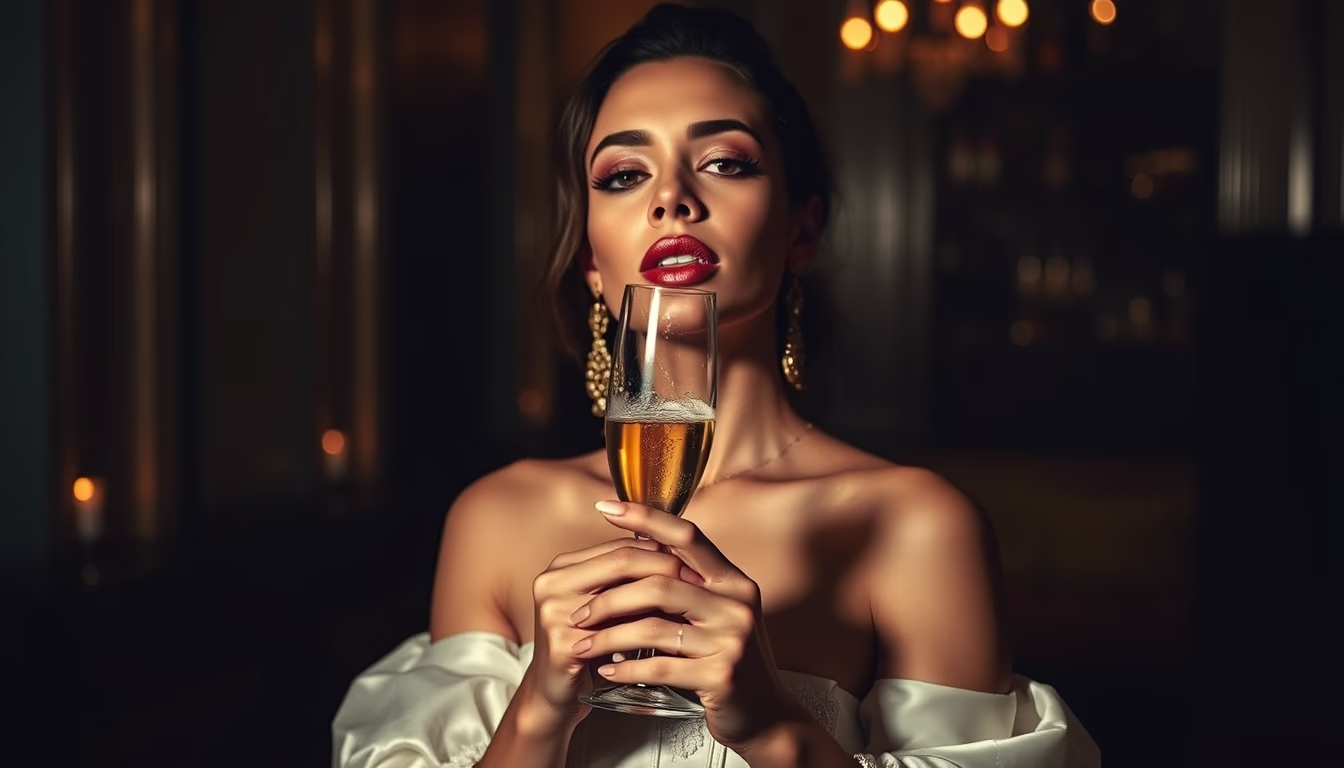
Champagne, a symbol of celebration, combines unique terroir, traditional method, and luxury. Discover its history and production.
About this subject
Champagne is a sparkling wine produced exclusively in the Champagne region of France, under strict appellation rules. Its global fame is tied to celebrations, achievements, and special moments, from royal feasts to fashion and film awards. The production technique, known as méthode traditionnelle (traditional method), involves a second fermentation in the bottle, which creates the characteristic bubbles. Key steps include tirage (adding sugar and yeast), remuage (riddling bottles to collect sediment in the neck), and dégorgement (freezing and removing the sediment).
The Champagne region is divided into five main areas: Montagne de Reims, Vallée de la Marne, Côte des Blancs, Côte des Bar, and Côte de Sézanne. The primary grapes are Pinot Noir, Pinot Meunier, and Chardonnay. Each vineyard contributes distinct traits, resulting in complex blends. Famous houses like Moët & Chandon, Veuve Clicquot, and Dom Pérignon solidified champagne's prestige. However, there is a growing appreciation for grower champagnes (vignerons), who produce single-vineyard or minimal-intervention wines, aligning with the 2026 trend toward authentic and conscious consumption.
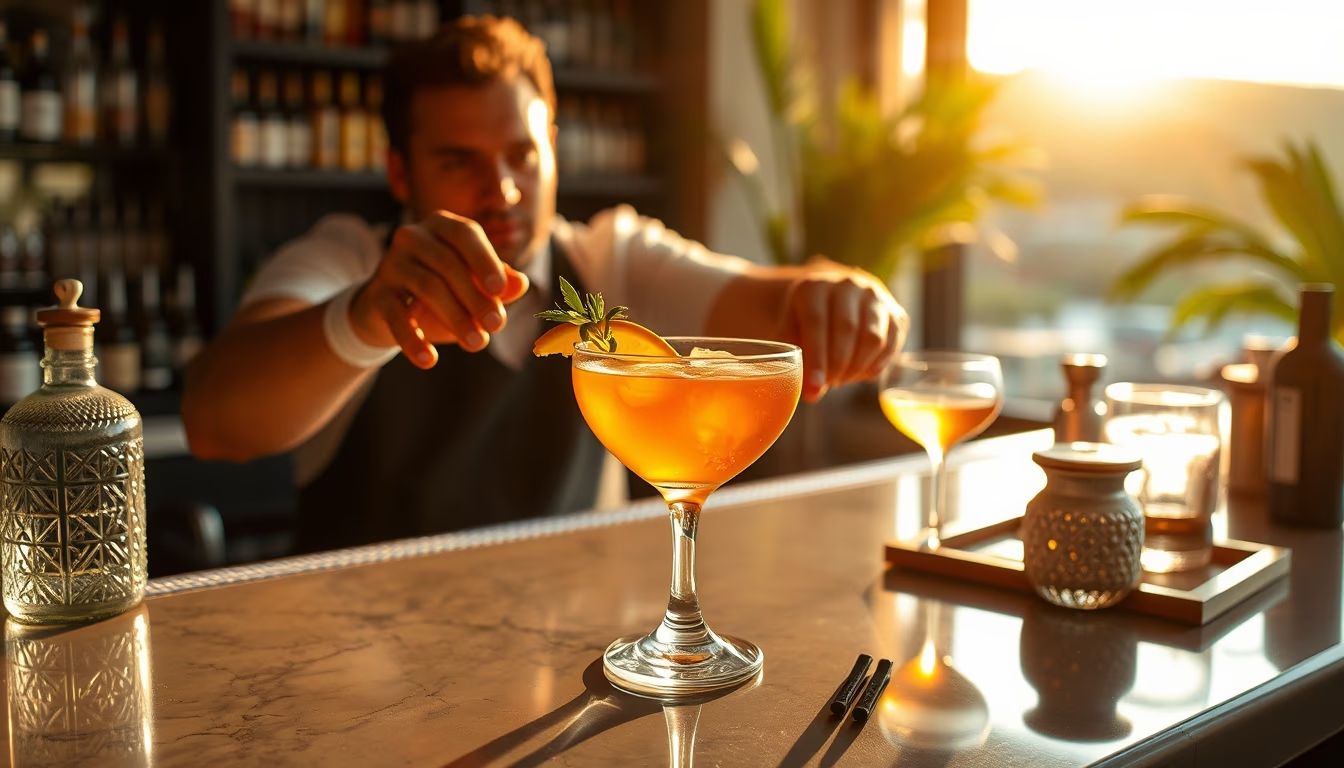
Interestingly, the pressure inside a champagne bottle can reach 6 atmospheres, three times the pressure of a car tire. The cork, made from cork oak, is secured by a wire cage called a muselet. Champagne also stars in cocktails like the classic Mimosa and French 75, and pairs well with foods from oysters to aged cheeses. Its association with luxury and high-fashion editorial reinforces its image of elegance, whether on runways or at exclusive parties.
Frequently Asked Questions
What sets champagne apart from other sparkling wines?
Champagne must be produced in the Champagne region of France, using specific grapes and the traditional method (second fermentation in bottle). Other sparklings like prosecco or cava use different methods and regions.
Why is champagne associated with celebrations?
Historically, champagne was served at French royal coronations and banquets. Its effervescence and festive character were immortalized in advertising and films, cementing it as a symbol of commemoration.
What does vintage mean on a champagne label?
Vintage champagne is made from grapes of a single exceptional harvest. Non-vintage (NV) blends multiple years to maintain consistent style. Most champagnes are NV.
Direct URL
https://pub-c7d6a6ea828543ac903a74a341ccb2e1.r2.dev/imagens/champagne-celebration-high-fashion-editorial-p6.avifHow to credit
Include a visible link back to UtilizAí. Copy one of the snippets below:
<a href="https://xn--utiliza-eza.com/en/midia/imagens/champagne-celebration-high-fashion-editorial-p6">Champagne celebration</a> by <a href="https://xn--utiliza-eza.com">UtilizAí</a>, licensed under <a href="https://creativecommons.org/licenses/by/4.0/">CC BY 4.0</a>.
[Champagne celebration](https://xn--utiliza-eza.com/en/midia/imagens/champagne-celebration-high-fashion-editorial-p6) by [UtilizAí](https://xn--utiliza-eza.com), CC BY 4.0
License: CC-BY-4.0