White blood cells macro
1344×768 · AVIF · CC BY 4.0
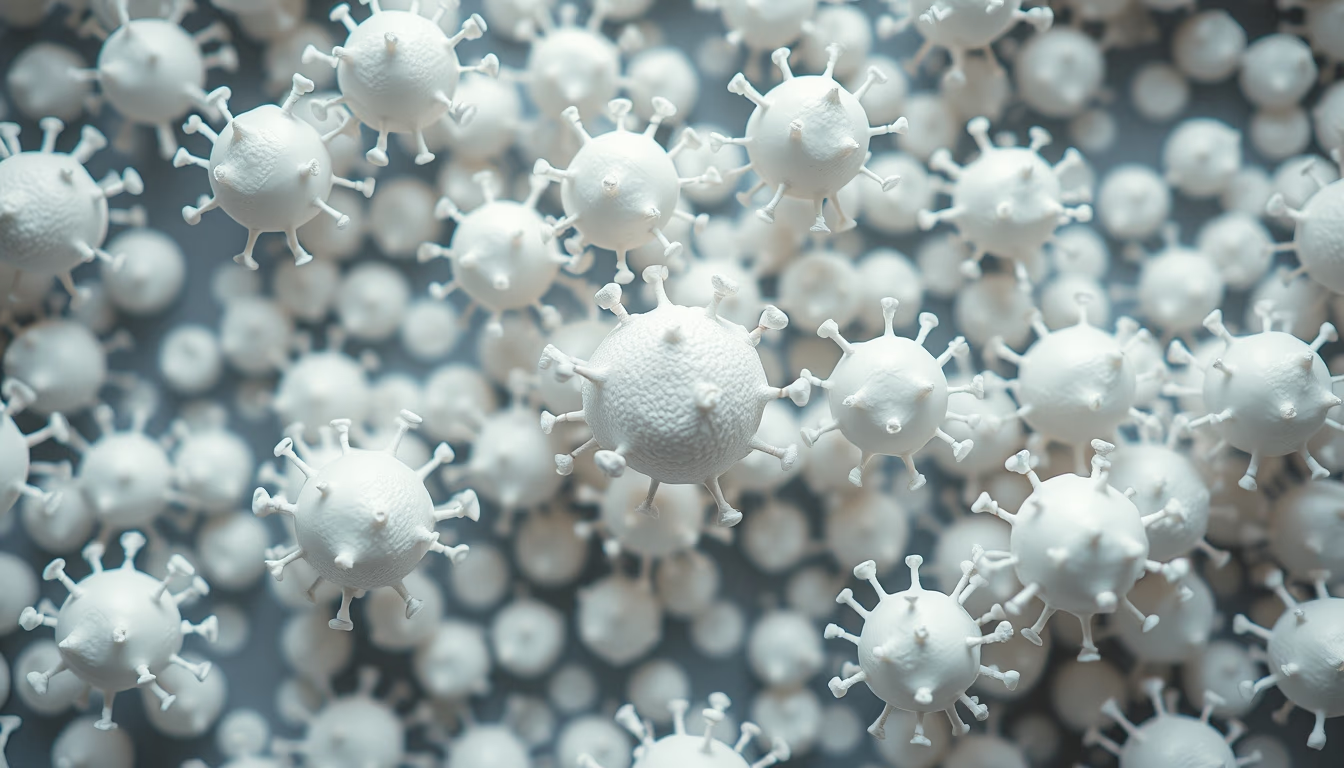
White blood cells, or leukocytes, are blood cells crucial for the immune system, fighting infections and pathogens in the human body.
About this subject
White blood cells, also known as leukocytes, are a key component of the human immune system. Produced in the bone marrow and present in blood and lymphatic tissues, these cells are responsible for defending the body against infections, bacteria, viruses, fungi, and other foreign invaders. There are five main types of leukocytes: neutrophils, lymphocytes, monocytes, eosinophils, and basophils, each with specific functions. For instance, neutrophils act as the first line of defense against bacterial infections, while lymphocytes (T and B cells) are crucial for the adaptive immune response, creating immunological memory. Monocytes, on the other hand, transform into macrophages that phagocytize (engulf and digest) pathogens and cellular debris.
The white blood cell count is an important health indicator. Normal values range from 4,000 to 11,000 cells per microliter of blood. Conditions such as infections, inflammation, allergic reactions, and autoimmune diseases can elevate the count, while chemotherapy, radiation therapy, and certain bone marrow diseases can drastically reduce it. Leukocytosis (elevated count) and leukopenia (low count) are common findings in complete blood counts, aiding in the diagnosis of various pathologies.
An interesting fact is that white blood cells have variable lifespans: neutrophils last only a few hours or days in circulation, while lymphocytes can persist for years, providing long-lasting protection against previously encountered invaders. Additionally, they can cross blood vessel walls (diapedesis) to reach infected tissues, a process known as transendothelial migration. Without leukocytes, the human body would be vulnerable even to simple infections.
From an evolutionary perspective, white blood cells are a fundamental adaptation for survival in environments teeming with microorganisms. Histological and cell biology studies continue to reveal details about their mechanisms of action, such as histamine release by basophils in allergies or antibody production by B lymphocytes. Understanding these cells is crucial for developing vaccines, immunotherapies, and cancer treatments, as many tumors attempt to evade leukocyte action.
Frequently Asked Questions
What is the main function of white blood cells?
The main function is to defend the body against infections and pathogens such as bacteria, viruses, and fungi. They also remove dead cells and cellular debris.
What does a high white blood cell count mean?
A high count (leukocytosis) can indicate infection, inflammation, physical or emotional stress, allergic reactions, or diseases like leukemia. It signals that the immune system is responding to some stimulus.
What are the types of white blood cells and their differences?
The five main types are neutrophils (fight bacteria), lymphocytes (adaptive immunity), monocytes (become macrophages), eosinophils (react to parasites and allergies), and basophils (release histamine in allergic reactions).
Direct URL
https://pub-c7d6a6ea828543ac903a74a341ccb2e1.r2.dev/imagens/white-blood-cells-macro-isometric-flat-lay-p12.avifHow to credit
Include a visible link back to UtilizAí. Copy one of the snippets below:
<a href="https://xn--utiliza-eza.com/en/midia/imagens/white-blood-cells-macro-isometric-flat-lay-p12">White blood cells macro</a> by <a href="https://xn--utiliza-eza.com">UtilizAí</a>, licensed under <a href="https://creativecommons.org/licenses/by/4.0/">CC BY 4.0</a>.
[White blood cells macro](https://xn--utiliza-eza.com/en/midia/imagens/white-blood-cells-macro-isometric-flat-lay-p12) by [UtilizAí](https://xn--utiliza-eza.com), CC BY 4.0
License: CC-BY-4.0