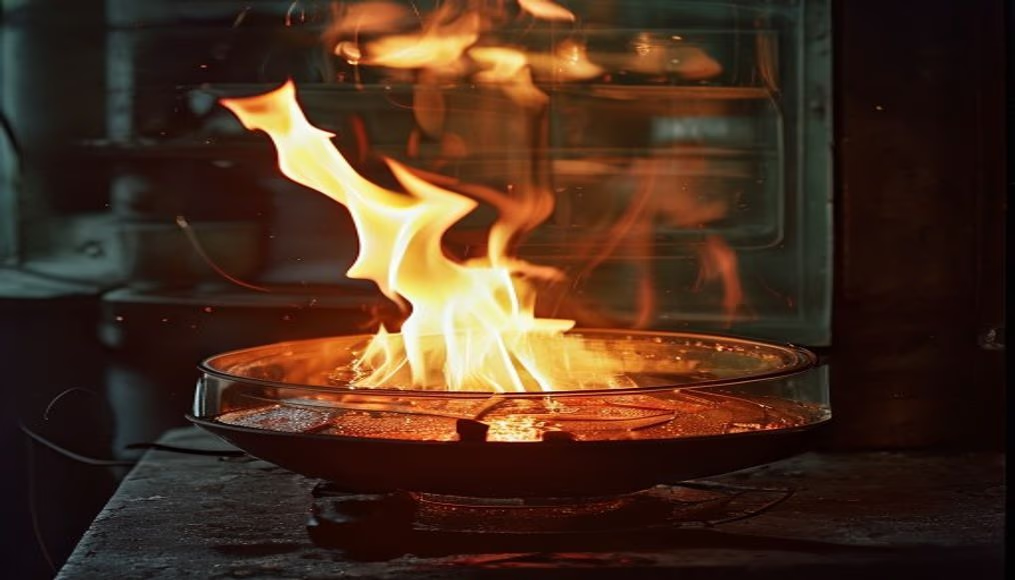
Glassblowing furnace flame
1344×768 · JPG · CC BY 4.0
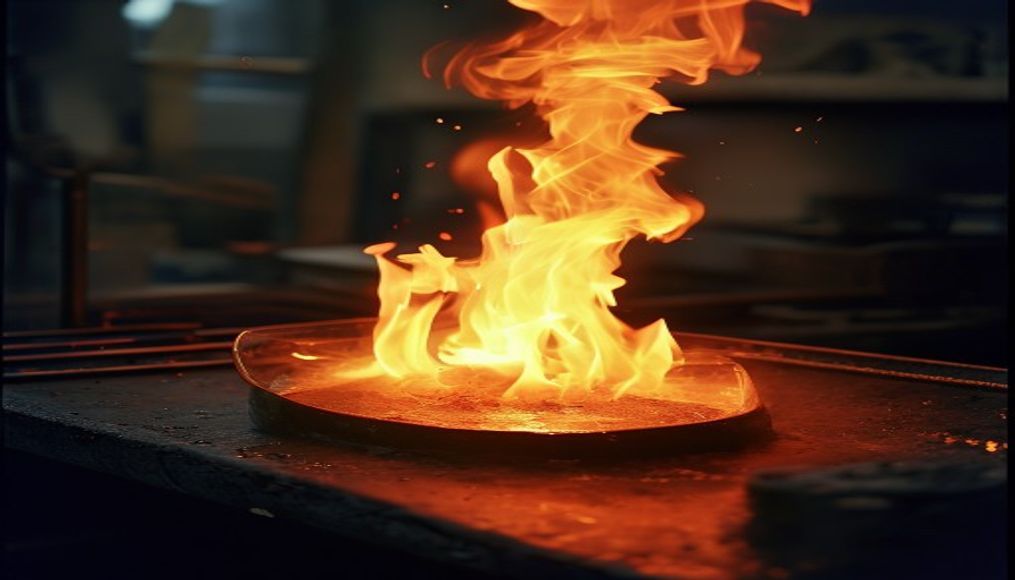
Glassblowing is an ancient technique that uses high-temperature furnaces to shape molten glass, combining art and manual skill.
About this subject
Glassblowing is an art that dates back to the Roman Empire, around the 1st century BC, when Syrian artisans discovered they could inflate a bubble of molten glass at the end of a hollow tube. The heart of this craft is the furnace, which keeps the glass at temperatures between 1000°C and 1200°C. There are several types of furnaces: the main furnace melts the raw materials (silica, sodium carbonate, and limestone), while the 'glory hole' reheats the piece in progress. The furnace flame, usually fueled by natural gas or propane, reaches intense orange and yellow hues, characteristic of the high temperatures involved.
In Brazil, glassblowing has a tradition in regions such as São Paulo and Rio de Janeiro, where small workshops keep manual techniques passed down through generations. The city of Cristais, in Goiás, is known for artisanal production. The process requires precise coordination: the glassblower gathers a blob of molten glass on the pipe, 'marvers' it (rolls on a marble surface) to shape it, blows to create a bubble, and then molds it with wooden or metal tools. The piece may be swung in a balancing motion to prevent the glass from succumbing to gravity.
Interestingly, the technique influenced science: the first thermometers and laboratory instruments were made by glassblowers. Even today, specialized glassblowers produce equipment for the pharmaceutical and chemical industries. The glassblowing furnace is a symbol of transformation, where sand and fire unite to create objects of beauty and functionality. The intense flame, captured here in the lo-fi style of a disposable camera, evokes the hot, creative atmosphere of the workshop.
Frequently Asked Questions
What is the temperature of a glassblowing furnace?
Glassblowing furnaces operate between 1000°C and 1200°C, depending on the type of glass and the stage of the process.
Is glassblowing dangerous?
Yes, it involves high temperatures and molten glass. Artisans use protective equipment such as gloves and special glasses to prevent burns.
How did glassblowing come to Brazil?
The technique was brought by European immigrants, especially Italians and Germans, in the 19th century, and developed in artisanal centers in states such as São Paulo and Goiás.
Direct URL
https://pub-c7d6a6ea828543ac903a74a341ccb2e1.r2.dev/imagens/glassblowing-furnace-flame-lo-fi-disposable-camera-p4.jpgHow to credit
Include a visible link back to UtilizAí. Copy one of the snippets below:
<a href="https://xn--utiliza-eza.com/en/midia/imagens/glassblowing-furnace-flame-lo-fi-disposable-camera-p4">Glassblowing furnace flame</a> by <a href="https://xn--utiliza-eza.com">UtilizAí</a>, licensed under <a href="https://creativecommons.org/licenses/by/4.0/">CC BY 4.0</a>.
[Glassblowing furnace flame](https://xn--utiliza-eza.com/en/midia/imagens/glassblowing-furnace-flame-lo-fi-disposable-camera-p4) by [UtilizAí](https://xn--utiliza-eza.com), CC BY 4.0
License: CC-BY-4.0